Air India under DGCA probe after A320 flew with expired airworthiness certificate
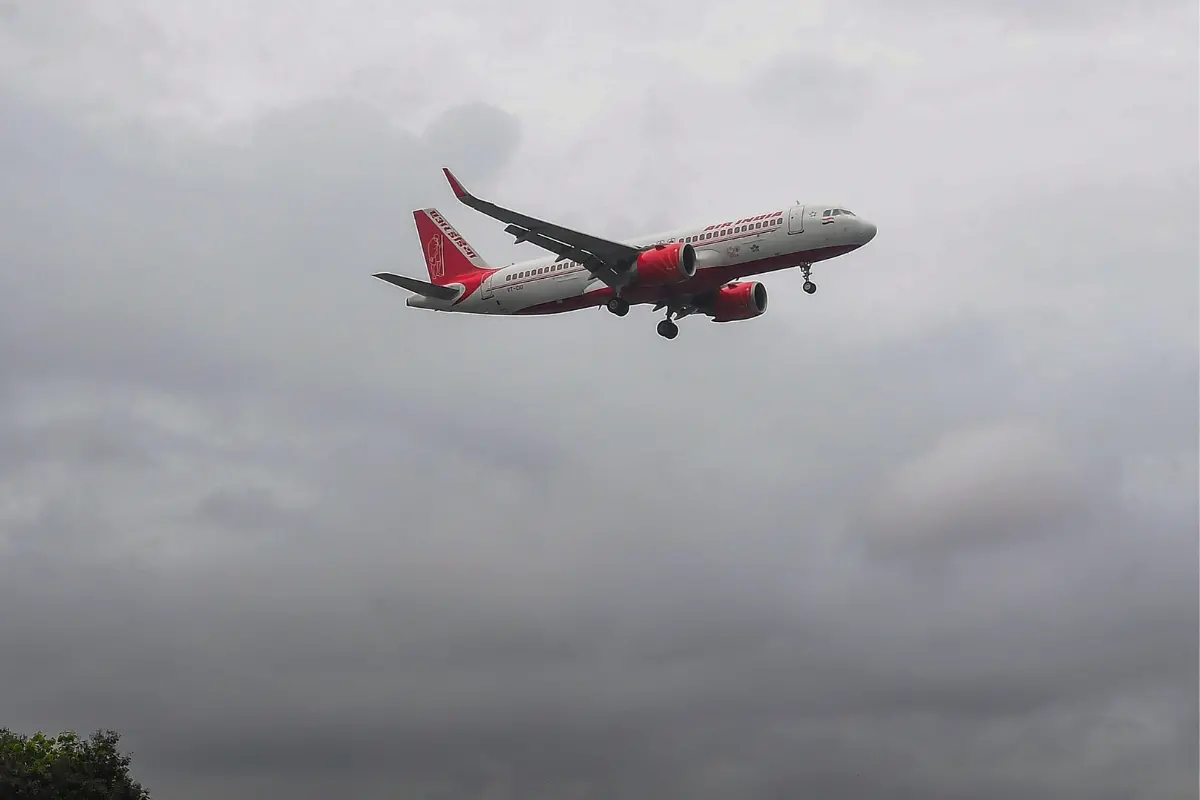
Air India is facing serious questions over its safety processes after one of its Airbus A320 aircraft operated multiple flights despite having an expired airworthiness certificate, according to a report by The Economic Times. The 164-seater aircraft reportedly flew eight times between November 24 and 25 before an engineer noticed that its Certificate of Airworthiness (CofA) had lapsed. The airline immediately grounded the aircraft after the error was discovered.
The Directorate General of Civil Aviation (DGCA) has now launched a detailed investigation. In India, the CofA is issued and renewed annually by the DGCA, and an aircraft is allowed to operate only after completing all mandatory maintenance checks. A government official quoted in the report said that flying an aircraft without a valid airworthiness certificate is a serious violation, and Air India could face heavy penalties. Action may also be taken against senior officials responsible for overseeing compliance.
This lapse has also brought up possible insurance complications. Operating an aircraft with an expired CofA can raise concerns with lessors and could even void insurance coverage. The incident comes at a time when Air India has been working to restore passenger confidence after the June 12 Dreamliner crash that killed 260 people. The airline has already suspended staff involved in the decision to release the aircraft without proper certification.
Experts say such mistakes are difficult to overlook in modern aviation systems. Air India has its own Continuing Airworthiness Management Organisation (CAMO), which is responsible for tracking certificate renewals and ensuring aircraft remain compliant. Engineers usually begin the renewal process months before the expiry date to avoid such situations. A DGCA inspector told ET that engineers are also required to verify documents every night after an aircraft completes its daily operations. The fact that the aircraft flew eight times unnoticed has raised concerns about deeper gaps in the airline’s safety oversight.
The DGCA is expected to treat this as a Level 1 violation, the most serious category related to flight safety. This adds to a series of recent compliance issues involving Air India. In earlier cases, senior executives, including CEO Campbell Wilson, received show-cause notices for allowing aircraft to operate with parts that had crossed their approved service limits. The regulator had also suspended the head of Air India’s engineering quality department for audit-related lapses.
These repeated issues highlight the challenges the Tata Group is facing in improving Air India’s engineering and safety standards nearly four years after taking control of the airline. The report adds that Air India has been increasingly relying on support from Singapore Airlines, which owns 25.1% of the carrier, to improve its engineering systems. Jeremy Yew, Senior Vice President at Singapore Airlines Engineering Services, has already joined Air India, and more experts are expected to be deputed.
Air India has said that it informed the DGCA immediately after the lapse was found and has started an internal investigation. The aircraft remains grounded as the probe continues.