Air India A320 loses 300 feet after hydraulic pressure drop: What went wrong?
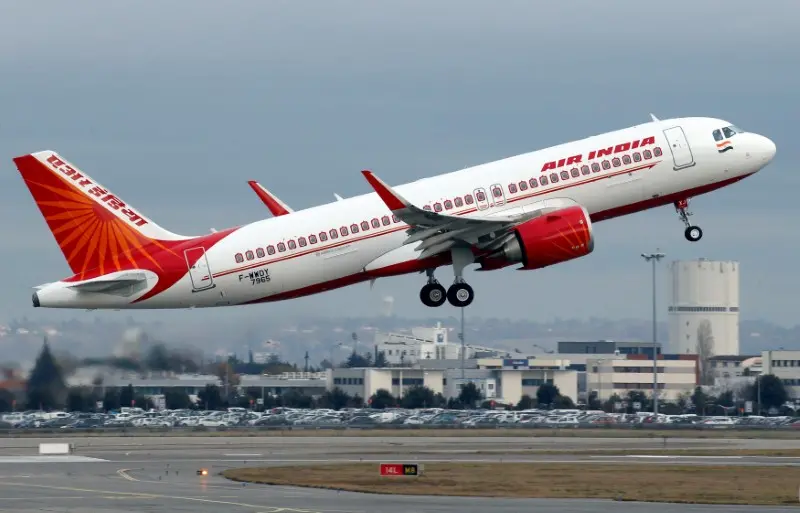
A routine Air India flight from Phuket to Delhi turned into a frightening experience for passengers after an Airbus A320 suddenly lost about 300 feet of altitude during the journey earlier this month. While the aircraft landed safely in Delhi, the incident has drawn serious attention because Airbus found that some of the aircraft's most important flight controls became unavailable for around four seconds.
The August 4 incident is now being investigated by India's Aircraft Accident Investigation Bureau (AAIB) with technical support from Airbus and France's aviation investigation agency, the BEA.
Although the investigation is still in its early stages, Airbus has already asked the airline to carry out detailed inspections of the aircraft's hydraulic systems, sensors and wiring as investigators work to determine what caused the sudden loss of hydraulic pressure. Importantly, Airbus has not yet identified the exact cause of the incident.
What happened during the flight?
The incident occurred on Air India flight AI2379, which was flying from Phuket in Thailand to Delhi. According to Airbus's preliminary technical assessment, the aircraft experienced a rapid loss of pressure across all three hydraulic systems within a short span of time.
Hydraulic systems are among the most critical parts of any aircraft. They use pressurised fluid to move essential flight controls, including the elevators and ailerons that help pilots control the aircraft's climb, descent and turning movements. For approximately four seconds, these flight controls did not respond normally.
During that brief period, the aircraft pitched upward unexpectedly, and when the first officer tried to push the aircraft's nose downward, the controls did not immediately respond. A few seconds later, the hydraulic systems recovered, allowing the pilots to regain normal control of the aircraft. The aircraft continued its journey and landed safely in Delhi.
What are hydraulic systems?
For many passengers, hydraulic systems remain an unfamiliar part of an aircraft. Simply put, they act like the muscles that move many of the aircraft's important parts. When pilots move the control column, hydraulic pressure helps move the elevators on the tail and the ailerons on the wings, allowing the aircraft to climb, descend and turn smoothly.
Modern commercial aircraft are designed with multiple independent hydraulic systems so that if one system develops a problem, the others can continue supporting safe flight. That is why investigators are paying close attention to the unusual sequence in which all three systems appeared to lose pressure in quick succession, something that is considered highly unusual on an Airbus A320.
Airbus has not identified the cause yet
One of the most important findings from Airbus's preliminary assessment is what it does not conclude. The aircraft manufacturer has not identified the cause of the hydraulic pressure loss and has instead requested a series of technical inspections before reaching any conclusion.
Airbus has asked Air India to test all hydraulic systems, inspect pressure sensors and switches, remove selected sensors for detailed examination, and check the electrical wiring connected to the hydraulic system. It has also sought details of recent maintenance carried out on the aircraft and more detailed accounts from the pilots who operated the flight.
The manufacturer has further recommended that the aircraft be inspected for possible structural stress because some of the forces recorded during the sudden altitude change exceeded normal operational limits.
Why investigators are calling it a serious incident
Initially, Air India described the event as turbulence-related. However, the airline later revised its statement, saying the aircraft had experienced a sudden loss of altitude instead of directly attributing the incident to turbulence.
Indian aviation authorities have since classified the event as a serious incident, triggering a detailed technical investigation by the AAIB. Such investigations examine every possible factor, including aircraft systems, maintenance history, pilot actions, weather conditions and flight recorder data before reaching any conclusions. At this stage, investigators have not determined what triggered the sequence of events.
The captain's drug test adds another layer
The incident has received additional attention after reports emerged that the flight's captain later tested positive for marijuana in a confirmatory drug test. However, authorities have claimed that no connection has been established between that test result and the aircraft's sudden altitude loss. The technical investigation into the hydraulic systems continues separately.
Following the incident, Air India introduced mandatory substance testing for all pilots as part of additional safety measures aimed at strengthening oversight and restoring confidence in its operations.
Another challenge for Air India
The incident comes during a particularly difficult period for Air India. The Tata Group-owned airline has been working to modernise its fleet, improve operations and strengthen safety oversight as part of its long-term transformation programme.
At the same time, it has faced increased regulatory scrutiny following the June 2025 Boeing 787 crash in Ahmedabad, one of India's worst aviation disasters in recent years, which claimed 260 lives. While the two events involve different aircraft types and separate investigations, both incidents have kept public attention firmly focused on aviation safety.
The latest incident has also come shortly before aviation industry veteran Tewolde Gebremariam, former chief executive of Ethiopian Airlines, prepares to take over as Air India's new Chief Executive Officer, adding another challenge to the airline's ongoing turnaround efforts.
Why this investigation matters
Aviation experts often point out that modern aviation's strong safety record is built on carefully investigating incidents, even when flights land safely. In many cases, investigators study unusual events to identify potential problems before they can become more serious in the future.
That is why Airbus has requested detailed examinations of the aircraft's hydraulic systems, sensors and wiring instead of assuming a single explanation. The investigation will involve analysing data from the aircraft's flight recorders, maintenance records and technical inspections before a final report is prepared.
What happens next?
Several important questions remain unanswered. Investigators still need to determine what caused the hydraulic pressure loss, why all three hydraulic systems appeared to lose pressure in quick succession, whether any component malfunctioned, whether recent maintenance played any role and whether additional inspections are needed for similar aircraft.
Until those questions are answered, Airbus's recommendations remain precautionary rather than conclusive. The focus is on gathering evidence and ensuring that every possible technical factor is examined thoroughly before any final findings are released.
Safety investigations take time
Aviation investigations are designed to establish facts rather than assign blame. Engineers, pilots and investigators typically examine thousands of pieces of data from cockpit recordings and system logs to maintenance records and physical inspections before publishing their findings.
The Air India A320 incident lasted only a few seconds, but those four seconds have become the focus of an extensive technical investigation. For passengers, the aircraft landed safely. For investigators, however, understanding exactly why those critical flight controls briefly stopped responding has now become the most important task in ensuring similar incidents can be prevented in the future.