‘Medical emergency’: AIIMS urges urgent action as Delhi’s air turns hazardous
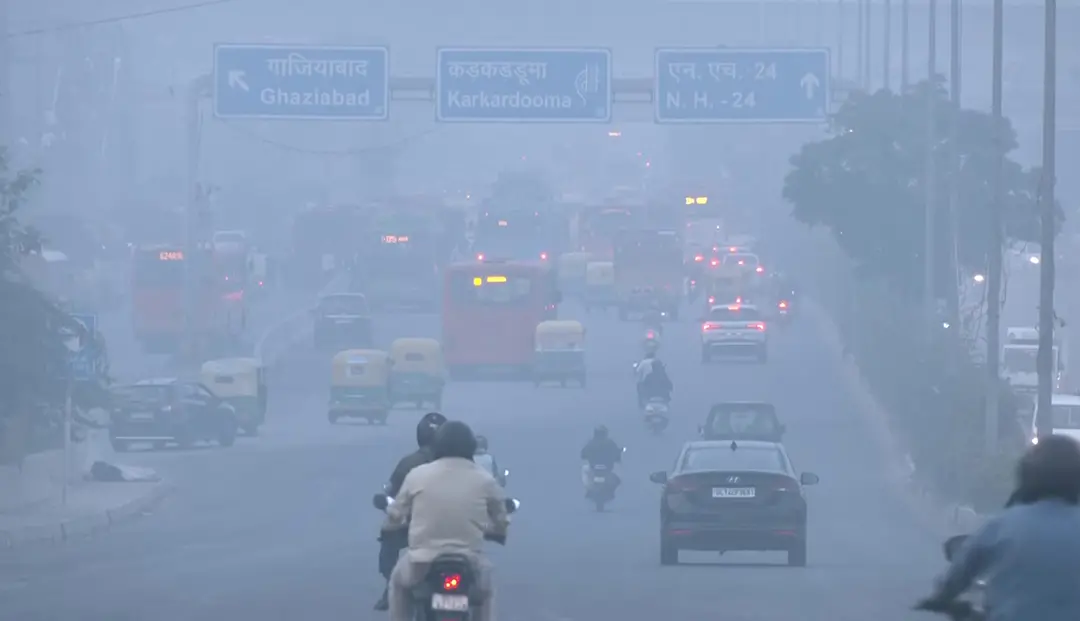
The All India Institute of Medical Sciences (AIIMS) has described Delhi’s deteriorating air quality as a “medical emergency”, warning that the crisis has intensified to a level where existing government measures, though necessary, are no longer enough. Experts stressed that authorities must respond with urgent, large-scale action to address the worsening situation.
At a press briefing, Prof Dr Anant Mohan, who heads the Department of Pulmonary, Critical Care, and Sleep Medicine at AIIMS, and his colleague Dr Saurabh Mittal, said the city’s escalating pollution now poses a serious threat to vulnerable groups, including pregnant women, unborn and newborn children, older adults, and individuals with cardiac or neurological conditions. They described the situation as a full-fledged public health emergency.
The experts cautioned that the impact of prolonged exposure to polluted air will be felt for generations if urgent corrective steps are not adopted. Dr Mohan highlighted the alarming effect is being seen on pregnant women, noting that ultra-fine pollutants are passing through the mother’s system and reaching the fetus, affecting growth and development.
He added that babies exposed to such conditions in the womb face higher chances of being born with low birth weight, and their lungs may remain weak as they grow. Many of these complications, he said, become evident much later in life.
Dr Mittal pointed out that the consequences of air pollution now extend far beyond respiratory diseases. He said continuous exposure to toxic air has led to rising cases of breathlessness, lung inflammation, asthma attacks, and chronic conditions such as COPD. Fine particles are also entering the bloodstream, he noted, increasing the likelihood of heart attacks and strokes.
Delhi woke up to a dense blanket of toxic smog on Wednesday with an average Air Quality Index (AQI) touching 392 at 9 am in the "very poor" category, according to the Central Pollution Control Board (CPCB).
Air quality showed no improvement from Tuesday, when the AQI was recorded at 341 at 7 am and 374 at 4 pm.
(with inputs from ANI)