‘Hindu-Muslim debate won’t create jobs’: 5 major takeaways from Cockroach Janta Party’s message
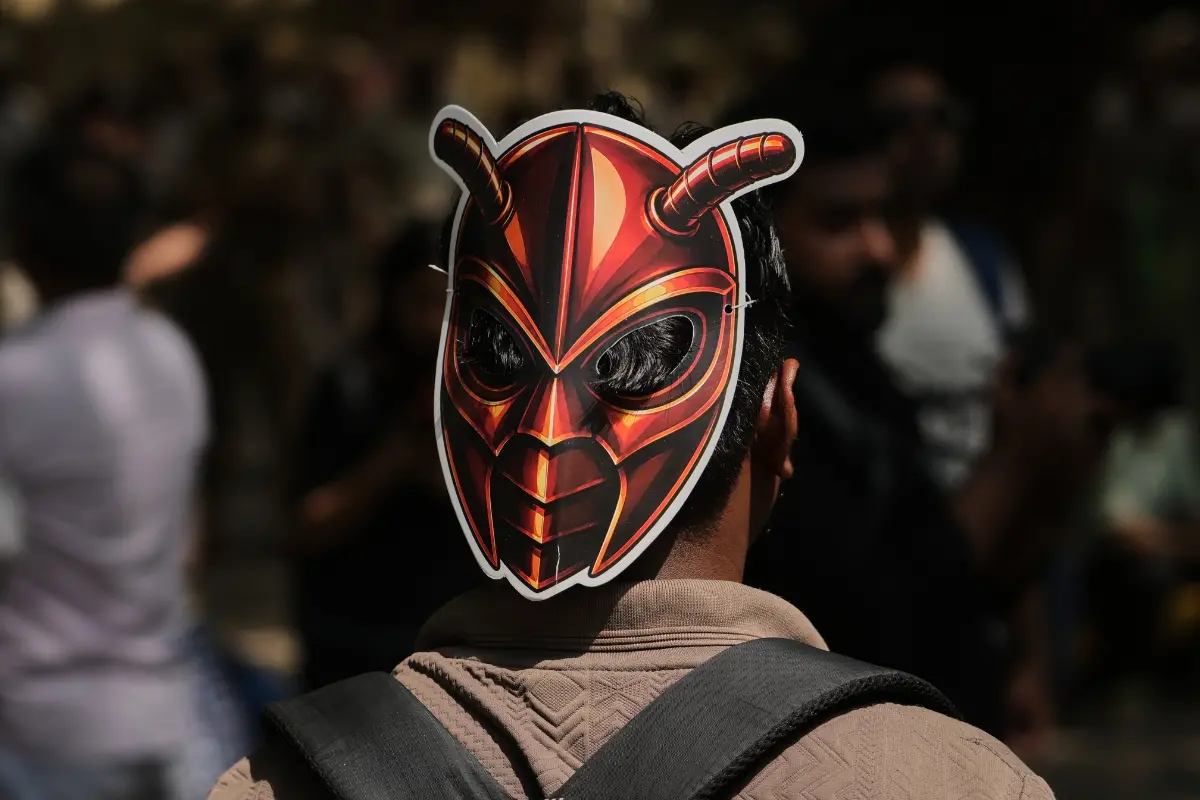
A day after leading a major protest at Delhi's Jantar Mantar, Cockroach Janta Party founder Abhijeet Dipke doubled down on his campaign's core message: India's political focus must move beyond religious debates and towards jobs, education and accountability. Here are the five key takeaways from his latest remarks.
1. Dipke says Hindu-Muslim politics won't create jobs
Dipke argued that Indian politics over the last decade has been heavily centred on Hindu-Muslim issues while concerns such as unemployment and education have remained unresolved. He said young people are looking for opportunities, careers and better governance rather than endless political polarisation.
According to him, the country's priorities need to shift towards issues that directly impact students and job seekers.
2. Demand for Dharmendra Pradhan's resignation remains unchanged
The CJP founder renewed his demand for the resignation of Union Education Minister Dharmendra Pradhan over the alleged NEET paper leak and CBSE-related controversies.
Dipke argued that repeated examination issues require accountability and questioned how confidence in the education system can be restored if no one accepts responsibility for failures.
3. Education reform is the movement's next major goal
Dipke made it clear that the campaign will not end with a ministerial resignation. He said the movement intends to push for broader reforms in India's education system to address recurring concerns around examinations, transparency and student welfare.
According to him, the goal is to create lasting structural changes rather than focus on a single controversy.
4. Employment will be a central issue going forward
Beyond education, Dipke identified unemployment as one of the biggest challenges facing India's youth. He said future campaigns will increasingly focus on job creation and economic opportunities, arguing that employment remains a pressing concern for millions of young Indians entering the workforce.
The emphasis on jobs suggests the movement is attempting to expand its agenda beyond student-related issues.
5. CJP will remain independent of political parties
Despite support from various political figures and groups, Dipke insisted that the Cockroach Janta Party movement would not align itself with any political party.
He said the campaign is designed as a Gen Z-led platform focused on youth issues and would accept only external support without entering formal political partnerships.
Is identity politics overshadowing jobs and education?
Abhijeet Dipke's remarks tap into a long-running debate in Indian politics: whether economic issues such as jobs, education and inflation receive enough attention compared to identity-based political narratives.
Over the past decade, major elections have often featured discussions around nationalism, religion, caste equations, welfare schemes, security issues and cultural identity alongside traditional economic concerns. Political parties across the spectrum have used these themes to mobilise voters, particularly during high-stakes state and national elections.
At the same time, employment and education remain among the biggest concerns for young Indians. India has one of the world's youngest populations, with millions entering the labour market every year. Government surveys and independent studies have repeatedly shown that unemployment among educated youth remains significantly higher than the national average. Competitive examinations, recruitment delays, paper leak controversies and concerns about skill development have further amplified frustrations among students.
Why jobs and education are emerging as major youth issues
The significance of jobs and education extends beyond economics. For many young Indians, competitive exams represent years of preparation and substantial family investment. Controversies involving recruitment examinations, alleged paper leaks and technical glitches have therefore generated strong public reactions in recent years.
Employment remains equally important. While India has recorded strong economic growth and expanding infrastructure investment, concerns continue over the quality of jobs being created, underemployment and opportunities for fresh graduates. This has made employment one of the most discussed issues among students and first-time voters.
What do surveys say voters care about?
Multiple national surveys conducted before recent elections have shown that voters often rank unemployment, inflation, education, healthcare and economic growth among their top concerns. However, voting behaviour is influenced by a combination of factors including identity, welfare benefits, leadership, local issues, national security and economic performance.
This means that while jobs and education are major concerns, they compete with several other issues that shape electoral outcomes.
Is Dipke raising a new issue?
Not entirely. Political leaders, economists and student organisations have frequently highlighted employment and education challenges. What makes Dipke's intervention notable is his attempt to frame these concerns as the defining issues for Gen Z voters while directly contrasting them with religious and identity-based political debates.
Whether that message gains wider traction remains to be seen, but it reflects a broader demand among sections of young voters for greater focus on examinations, higher education, job creation and career opportunities.
Where does the movement go from here?
So far, the Cockroach Janta Party's visibility has largely come from education-related controversies such as the alleged NEET paper leak and CBSE examination issues. However, Dipke's latest remarks suggest the movement is trying to evolve into a broader youth platform centred on three themes: education reform, employment opportunities and institutional accountability.
If the campaign continues to attract students and young professionals, it could contribute to a larger national conversation about whether India's political priorities adequately reflect the concerns of its youngest generation.