8th Pay Commission: Expected salary hikes, timeline and fitment factor explained
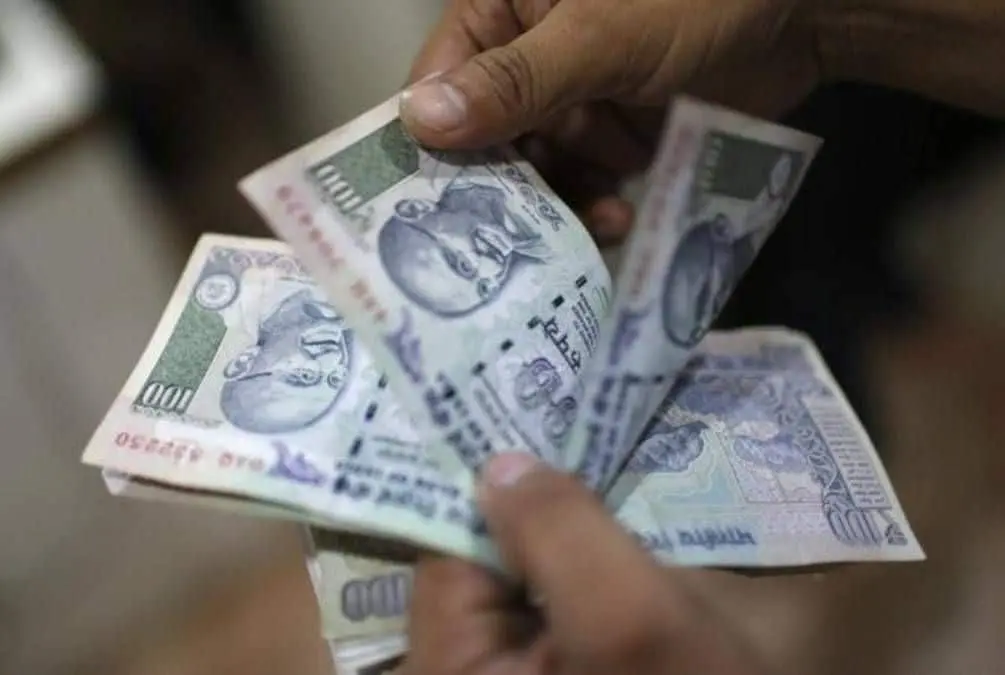
The Union Cabinet approved the formation of the 8th Pay Commission in January to revise the salaries of nearly 50 lakh central government employees and the allowances of around 65 lakh pensioners. However, crucial details, including the terms of reference (ToR) and the members of the panel, have yet to be finalised.
Implementation timeline
Historically, pay commissions are set up roughly every ten years, with implementation following about two years after their formation. The 7th Pay Commission, constituted in 2014, came into effect on January 1, 2016, resulting in an average salary increase of approximately 23% for central government staff. The 6th Pay Commission, formed in October 2006, raised salaries by nearly 40% from January 1, 2006.
Given this pattern, experts suggest that the 8th Pay Commission’s recommendations may be implemented around 2028. Kotak Institutional Equities recently reported that the panel is unlikely to be operational before late 2026 or early 2027.
The finance ministry, in July, informed Parliament that the government is actively working to expedite the commission’s formation through consultations with key stakeholders, including state governments, the Ministry of Defence, the Ministry of Home Affairs, and the Department of Personnel and Training.
Fitment factor and expected salary hike
The fitment factor, a multiplier used to adjust existing pay scales under a new pay commission, is expected to be 1.8 for the 8th Pay Commission. This factor will directly influence the revised salaries of central government employees.
Based on this projected fitment factor, the minimum pay level for central staff could rise from Rs 18,000 to Rs 30,000 per month. On average, central government employees may see a real salary increase of nearly 13%, according to Kotak Institutional Equities.