6 seats away; BJP closes in on historic Rajya Sabha majority with Bengal bypolls in focus
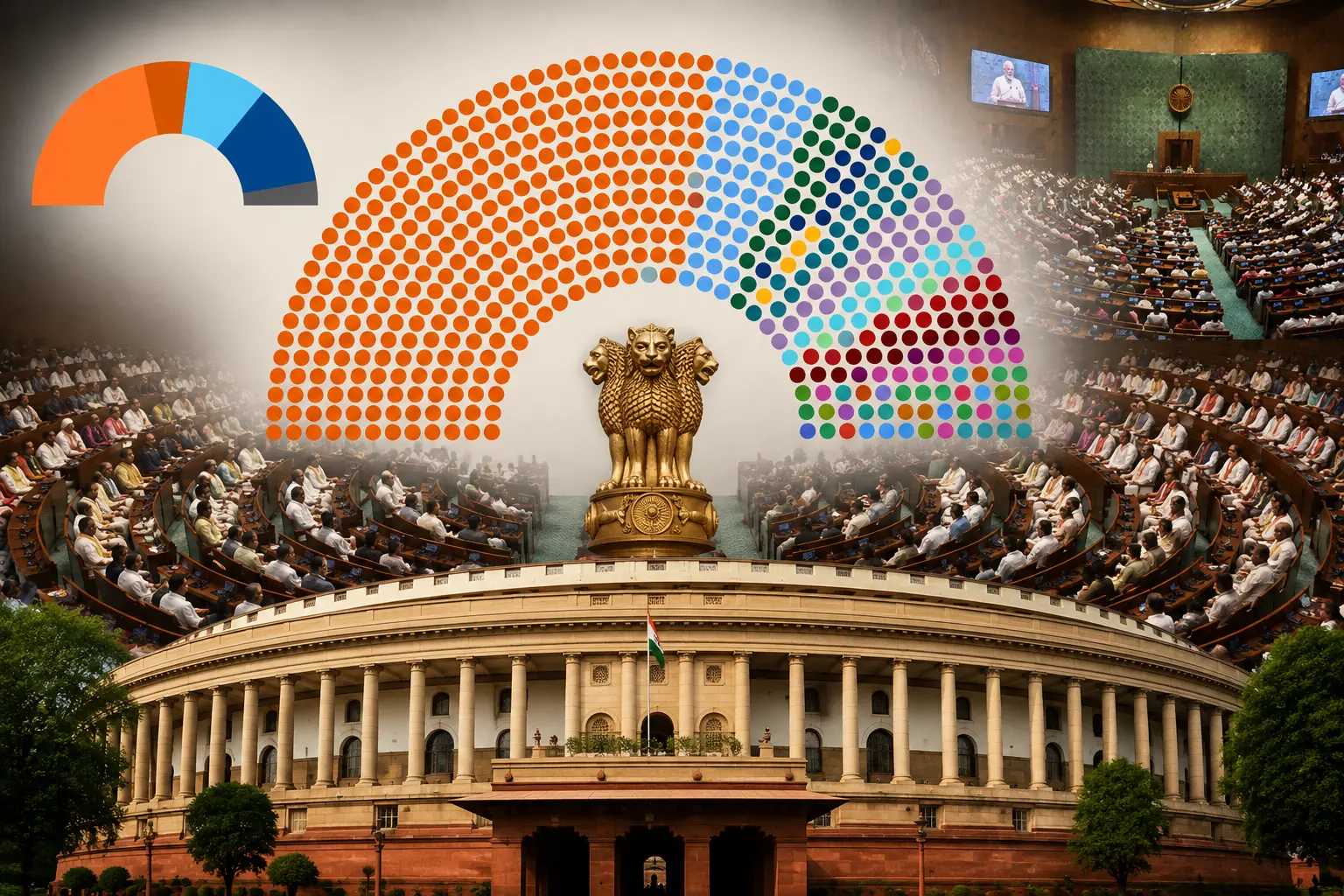
The political temperature in West Bengal is rising as the BJP prepares for a decisive move in the Rajya Sabha. Ahead of the upcoming Monsoon Session, the ruling national alliance is positioned to significantly bolster its numbers in the Upper House. For the first time in decades, the prospect of a single party commanding an outright majority is within reach. The BJP currently finds itself just six seats short of the crucial 123-mark required for a simple majority in the current House. If the party reaches this milestone, it would be the first time since 1986 that a single party has held such dominance.
The Saffron Push for Parliamentary Control
This numerical surge is not merely a matter of prestige. It provides the Centre with the legislative muscle needed to push through transformative reforms, including women’s reservation and potential changes to election cycles. While the broader NDA alliance is expected to see its strength climb to 152 seats, the BJP’s individual growth remains the headline story. This consolidation is being aided by strategic support from regional players and the tactical use of by-elections in states such as West Bengal. By securing these seats, the government reduces its reliance on unpredictable allies and moves closer to independent control of its legislative agenda.
A Tactical Shift in the Bengal Heartland
The battleground for this shift is West Bengal, where three Rajya Sabha seats will be contested on July 24. The vacancies arose after three Trinamool Congress (TMC) members resigned following their party’s Assembly election defeat. In a move that has surprised some observers, the BJP has nominated these same individuals—Sukhendu Sekhar Roy, Sushmita Dev and Prakash Chik Baraik—as its own candidates. This represents a significant pivot in the party’s local strategy. Previously, the saffron party had maintained a policy of resisting the induction of former TMC functionaries. Now, the focus has shifted towards "selective induction", choosing experienced leaders who can be politically useful in the national arena.
The Arithmetic of Absolute Dominance
In terms of raw numbers, the result of the Bengal by-elections appears to be a foregone conclusion. Under the proportional representation system, a candidate needs 147 votes from the state’s MLAs to secure a seat. The BJP, currently commanding 207 legislators, comfortably exceeds this requirement for all three contests. Meanwhile, the opposition remains fragmented and underpowered, with the combined strength of the TMC and other opposition parties at only about 80 seats. This legislative supremacy has allowed the BJP to transform a routine election into a showcase of its growing influence. By rewarding high-profile defectors with an immediate return to Parliament, the party is signalling that it is now the primary destination for influential leaders across the state.