What are the 5 key Waqf Act provisions Supreme Court just put on hold
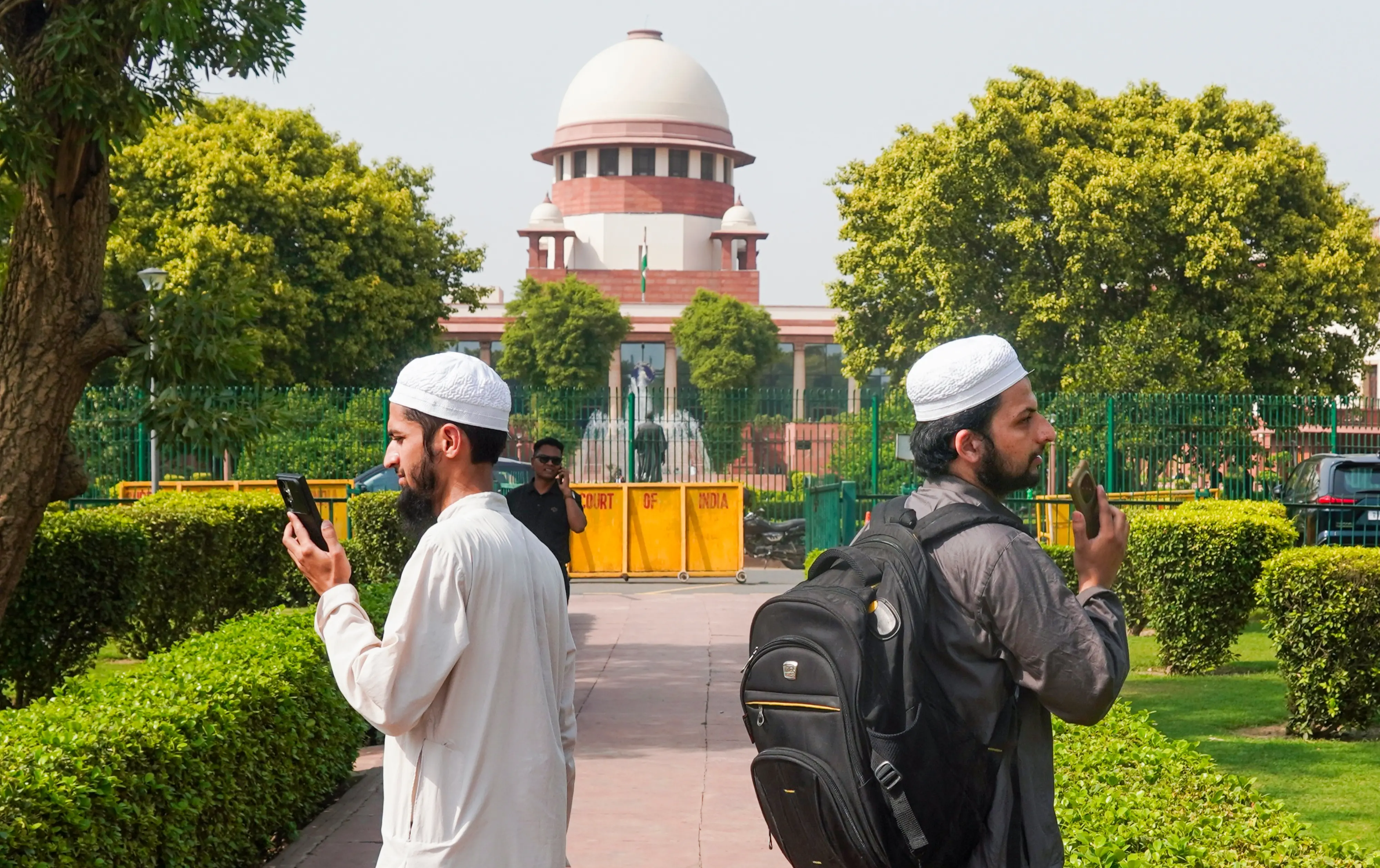
New Delhi: In a landmark development with wide implications for property rights and governance under religious laws, the Supreme Court on Monday stayed five key provisions of the Waqf Act, calling them prima facie unconstitutional and potentially arbitrary.
The court did not strike down the entire statute but ruled that these specific clauses require urgent judicial scrutiny and would remain suspended until further orders.
The 5 crucial provisions were stayed by the court:
1. 3r- need 5 years as practising Islam stands failed until rules are formed, it would lead to the arbitrary exercise of powers
2. 2(c) proviso- waqf property shall not be treated as waqf property
3. 3C- A designed officer making a challenge in revenue records permitting the collector to determine rights, would be against the separation of powers. Until finality, the rights of properties will not be affected. Until the title is not decided, neither waqf will be dispossessed of the property.
4. Shall not consist of more than 4 non-muslim members, and for the State, not more than 3
5. Section 23- Ex officio officer must be from the Muslim community
A bench led by Chief Justice BR Gavai and Justice AG Masih noted that while there exists a presumption of constitutionality for any legislation, it can be set aside in exceptional cases. In this case, though the petitioners sought to strike down the entire Waqf Act, the Court held that only these contested provisions warranted immediate intervention.