18 years on, memories and scars of 26/11 Mumbai attacks remain
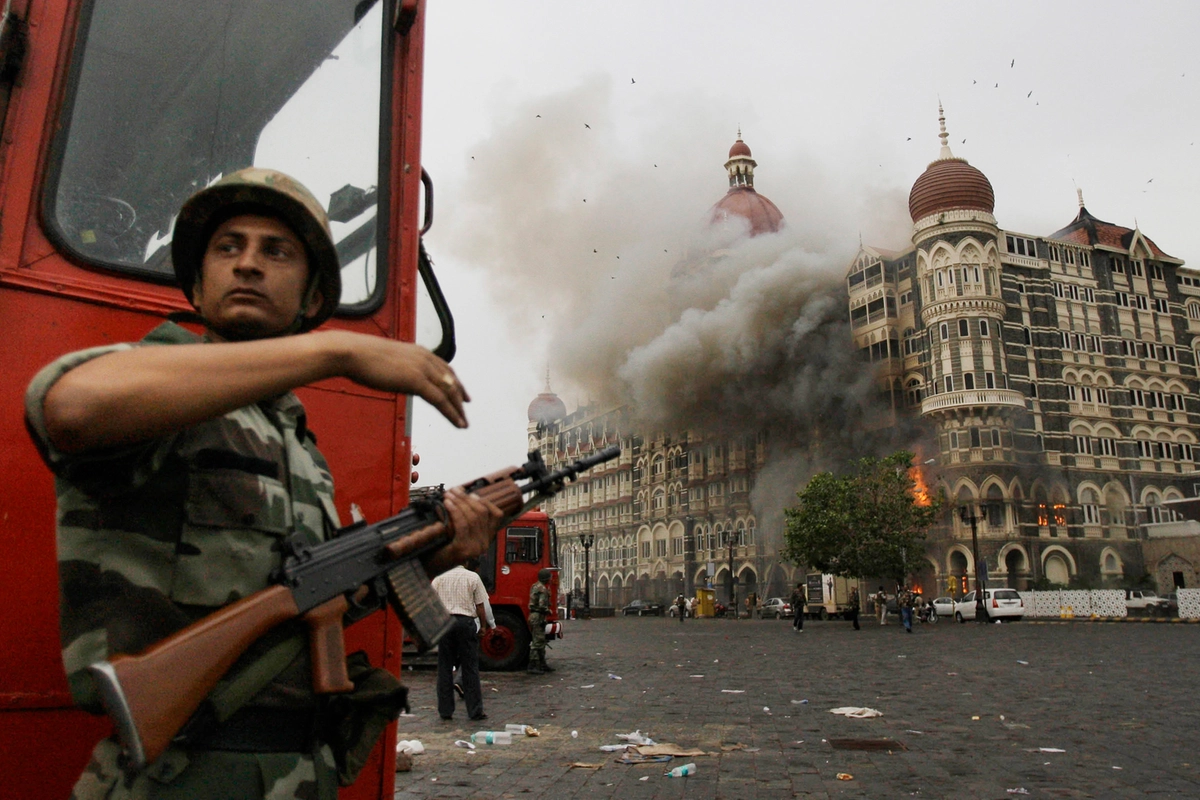
Mumbai: Eighteen years after the 2008 terror attacks that shook Mumbai and exposed glaring lacunae in India's security and intelligence apparatus, the horrors of the 60-hour assault and bloodletting remain etched in public memory.
As the financial capital, know for its unbreakable spirit and courage in the face of adversity, prepares to commemorate the 18th anniversary of 26/11, the carnage remains a grim reminder of the human cost of terrorism and the importance of sustained vigilance and preparedness against security threats.
The November 26, 2008 attacks, carried out by 10 heavily armed Lashkar-e-Taiba (LeT) terrorists who sailed into Mumbai from Pakistan, left 166 people, including foreigners, dead and more than 300 injured, making it one of the deadliest terror strikes in an Indian city.
Mumbai has endured several major terrorist attacks over the past three decades or so. On March 12, 1993, bomb blasts struck 12 locations in the megapolis killing 257 and injuring thousands. The city reeled under the serial train blasts on July 11, 2006, killing 188 people, while 27 people died in triple explosions at Dadar, Zaveri Bazaar and Opera House on July 13, 2011.
The 2008 attacks, which began on the night of November 26 and continued until the morning of November 29, targeted several prominent locations, including the Chhatrapati Shivaji Maharaj Terminus (CSMT), the Taj Mahal Palace Hotel, the Trident Hotel, Nariman House (Chabad House), Leopold Cafe and Cama and Albless Hospital.
The heavily armed terrorists launched coordinated attacks, taking hostages and engaging security personnel in prolonged gun battles. The operations posed enormous challenges as the attackers occupied buildings, used their height and layout to their advantage and held people hostage.
The coordinated response by the Mumbai Police, armed police personnel, Indian Navy's Marine Commandos and the National Security Guard (NSG) eventually brought the roughly 60-hours siege to an end.
The sea-borne attacks exposed vulnerabilities in coastal security, intelligence gathering and coordination among security agencies, prompting a major overhaul of India's counter-terrorism preparedness.
Among the 10 attackers, Mohammed Ajmal Kasab was captured alive. He was subsequently tried, convicted and hanged in November 2012. David Coleman Headley, one of the key conspirators who conducted reconnaissance of Mumbai before the attacks, later deposed before an Indian court through video-conferencing from the United States.
Tahawwur Hussain Rana, another accused in the 26/11 conspiracy, was extradited from the US in 2025 to stand trial in India.
However, several masterminds and handlers of the attacks continue to remain beyond India's reach, with many believed to be based in Pakistan.
The chargesheet filed in the case had stated that the manner in which the attacks were conducted showed they were meticulously planned and executed after extensive training, preparation and briefing.
The attacks prompted global condemnation and led to significant changes in India's counter-terrorism measures.
Every year floral tributes are paid at the Mumbai Police headquarters to those who made the ultimate sacrifice while fighting terrorists during the attacks. Homage is also paid at Mumbai CSMT, Cama and Albless Hospital and other locations which were targeted by the Pakistani terrorists.
Mumbaikars also gather at "Prerana Sthal", the statue of Assistant Sub-Inspector Tukaram Ombale, who fought with terrorists with a lathi and was killed while catching the terrorist Kasab at Girgaon Chowpatty in south Mumbai.
(Except for the headline, this story has not been edited by Mathrubhumi and is published from a syndicated feed.)