46% rainfall deficit puts kharif crops at risk; 111 districts marked as high priority
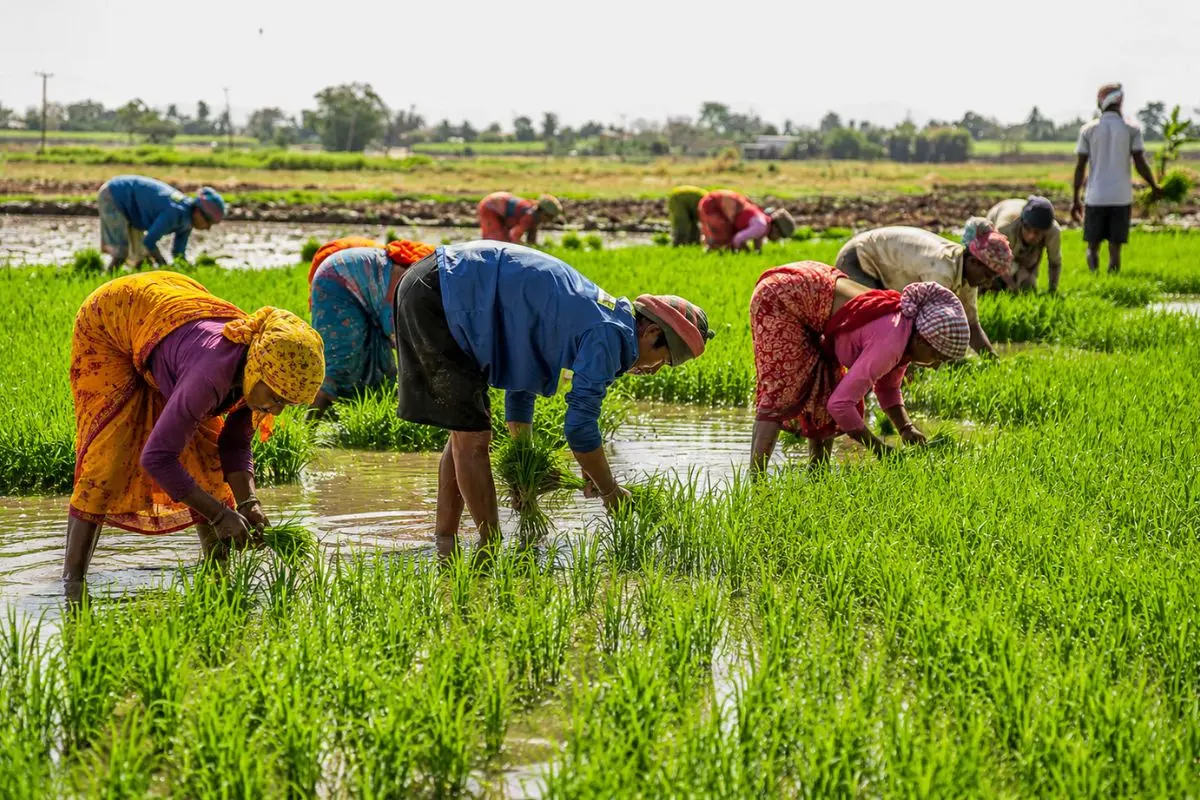
India's kharif season is under growing pressure as a severe monsoon shortfall has prompted the Centre to identify 111 districts as high-priority areas requiring immediate intervention.
With rainfall between June 4 and June 22 running about 46% below normal, concerns are mounting over delayed sowing, reduced crop yields and water stress across several agricultural regions.
Agriculture Minister Shivraj Singh Chouhan said the government has prepared contingency plans for 315 districts likely to be affected by deficient rainfall.
Among them, 111 districts with irrigation coverage of less than 25% have been classified as high priority, 76 as medium priority, and 128 as relatively less vulnerable due to better irrigation infrastructure.
The most affected districts are spread across 12 states, including Maharashtra, Gujarat, Madhya Pradesh, Uttar Pradesh, Rajasthan, Karnataka, Bihar, Jharkhand, Telangana, Andhra Pradesh, Odisha and Tamil Nadu.
Maharashtra, Gujarat and Madhya Pradesh have recorded some of the sharpest rainfall deficits so far, delaying kharif sowing and increasing pressure on already strained water reserves.
The weak monsoon has been linked to El Niño, which is expected to suppress rainfall during the season.
According to the India Meteorological Department (IMD), India is likely to receive only 90% of its long-period average rainfall this monsoon.
If current trends continue, June 2026 could rank among the driest Junes recorded in more than a century.
To tackle the situation, the Centre has established an El Niño Monitoring Cell and a Crop Weather Watch Group to track rainfall patterns, crop conditions and input availability.
District Agriculture Contingency Plans prepared by ICAR and CRIDA have also been activated, recommending alternative crops, water-conservation measures and strategies to reduce losses in rain-dependent farming areas.
Although meteorologists expect moisture-laden winds to strengthen monsoon activity in the coming days, experts warn that delayed rainfall may not fully offset the substantial deficit already recorded, leaving kharif crops vulnerable during a crucial phase of the agricultural season.