10,000 detentions alleged, trains cancelled, 57 metro stations at risk: Dipke asks, ‘What is the Centre afraid of?’
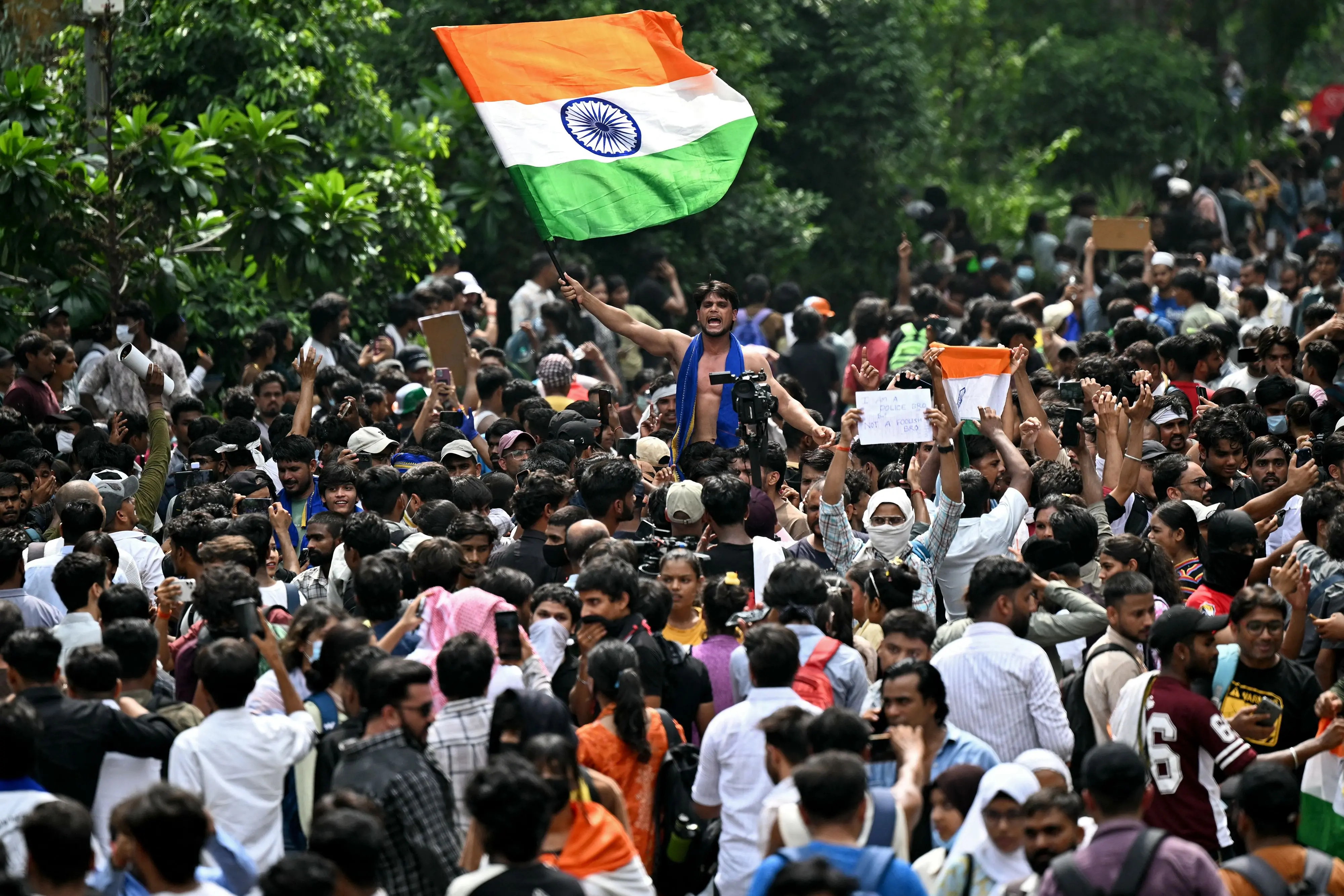
New Delhi: The Cockroach Janta Party (CJP) has called for a major protest at Delhi's Jantar Mantar on October 10, demanding the resignation of Chief Election Commissioner (CEC) Gyanesh Kumar over alleged irregularities in the Election Commission's Special Intensive Revision (SIR) of electoral rolls.
Ahead of the demonstration, train cancellations, proposed metro restrictions and allegations of mass detentions have triggered a wider debate over security measures and the right to peaceful protest.
Why has the protest triggered a controversy?
CJP founder Abhijeet Dipke criticised the authorities on Friday after the Railway Board cancelled certain Mail and Express trains scheduled to arrive at New Delhi and Hazrat Nizamuddin stations between 4 am and 2 pm on October 10. The cancellations could affect passengers travelling to the capital for various reasons, including those intending to join the demonstration.
Delhi Police also reportedly asked the Delhi Metro Rail Corporation (DMRC) to close 57 metro stations to prevent protesters from reaching the demonstration site. Police have denied permission for the CJP protest at Jantar Mantar. Dipke responded by saying the government should shut down the entire country if it was afraid of young people.
Security concerns versus the right to protest
Authorities are responsible for preventing violence, managing crowds and protecting public property. However, restrictions on public transport and demonstrations must be justified by specific security concerns and should not be broader than necessary.
The reported metro restrictions are particularly significant because they could disrupt the journeys of ordinary commuters who have no connection with the protest. Similarly, train cancellations can affect passengers beyond the immediate demonstration. The key question is whether such extensive measures are necessary or whether targeted security arrangements could achieve the same objectives with less disruption.
Article 19 of the Constitution protects freedom of speech and expression and the right to assemble peacefully, subject to reasonable restrictions. The authorities can regulate demonstrations to maintain public order, but the existence of a large protest does not automatically justify preventing peaceful political participation.
CJP's claim of 10,000 detentions
CJP leaders have alleged that at least 10,000 supporters were detained across India ahead of the demonstration. The claim has not been independently verified and requires clarification from the relevant authorities.
It is also important to distinguish arrests, preventive detention, brief questioning and restrictions on movement, as these involve different circumstances and legal procedures. Preventive action may be justified where there is a lawful basis to anticipate a breach of public order, but people should not be detained merely for intending to participate in a peaceful demonstration.
The reported deployment of nearly 26,000 security personnel in Delhi further indicates the scale of the preparations, although the precise deployment and the reasons for individual restrictions require confirmation from official sources.
What is the dispute over electoral rolls?
The planned demonstration centres on allegations of irregularities in the Election Commission's Special Intensive Revision of electoral rolls. Such revisions are intended to maintain accurate voter lists, but the process must also protect eligible voters from wrongful exclusion.
The CJP's allegations do not, by themselves, establish that irregularities occurred. Their validity must be assessed through electoral records, documented complaints and the Election Commission's procedures for addressing disputed entries. At the same time, concerns about voter registration deserve transparent explanations and accessible grievance-redressal mechanisms.
Restricting a demonstration cannot resolve the underlying dispute. The Election Commission's response to specific allegations is therefore as important as the authorities' handling of the protest.
What the controversy means for the government
The developments raise questions about proportionality, accountability and the balance between public order and democratic freedoms. Train cancellations, extensive metro restrictions and reported detentions may have a wider impact than the protest itself, particularly if they prevent people from travelling or exercising their right to peaceful assembly.
However, the available reports do not establish that every restriction was unlawful or that the measures were deliberately intended to suppress dissent. Assessing the authorities' conduct requires examining the orders issued, the evidence of security threats and whether less restrictive alternatives were considered.
The immediate challenge is to maintain public safety without unnecessarily restricting peaceful political opposition. Clear explanations from the police, transport authorities and Election Commission would help establish whether the measures are proportionate and ensure that the electoral roll dispute is addressed through evidence rather than political confrontation.