What is the Soumya murder case—the brutal crime that shook Kerala?
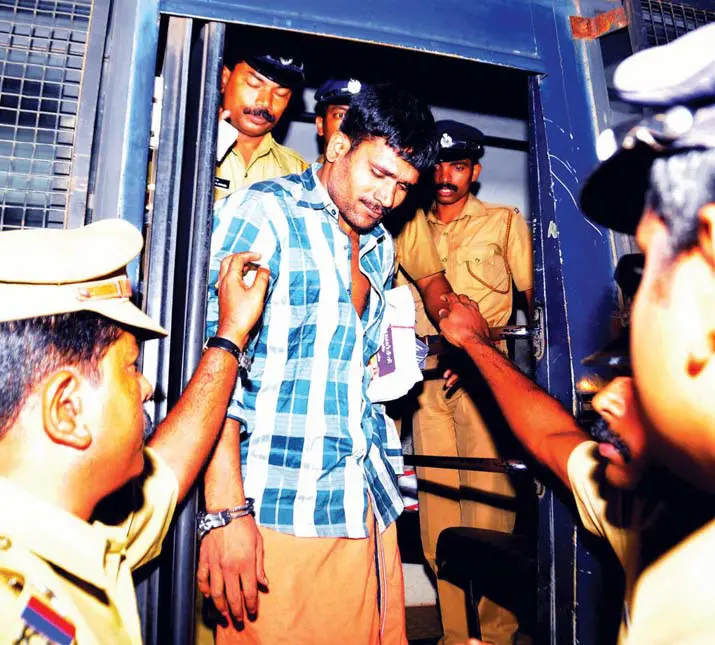
Kannur: The Soumya murder case is one of the most brutal crimes in Kerala’s recent history, remembered for its shocking violence and legal twists that followed. It involved the rape and eventual death of 23-year-old Soumya, who was attacked on a moving passenger train in 2011.
The Soumya murder case horrified Kerala in 2011 and became a symbol of public outrage against violence toward women. Now, in 2025, the convict’s prison escape from Kannur central jail has brought the case back into sharp focus. Here's everything we know so far.
What happened on the train on 1 February 2011?
Soumya, a 23-year-old woman, was travelling alone in the ladies' compartment of the Ernakulam–Shoranur passenger train.
Govindachamy, a man with a criminal history, entered the coach unlawfully, assaulted her, and allegedly pushed her out of the moving train near Vallathol Nagar station.
How did Soumya die—and what injuries did she suffer?
After pushing her out, Govindachamy followed Soumya, dragged her to a wooded area, raped her, and fled.
She sustained severe head injuries and internal trauma. Despite medical treatment at Thrissur Medical College Hospital, she died on 6 February 2011.
In November 2011, the Thrissur Fast Track Court found Govindachamy guilty of murder, rape, robbery, and grievous hurt. He was sentenced to death, sparking public satisfaction that justice was being served.
Did the Kerala High Court support the death sentence?
In 2013, the Kerala High Court upheld the death penalty. A division bench said that the crime was “brutal and savage” and ruled out any lesser punishment.
What changed in the Supreme Court’s 2016 verdict?
In September 2016, the Supreme Court dropped the murder charge, stating that the prosecution had failed to prove Govindachamy intentionally caused Soumya’s death.
He was instead sentenced to life imprisonment for rape and seven years for other charges, to run concurrently.
The Kerala government, supported by widespread public anger, filed both a review and curative petition. However, in 2017, the apex court dismissed these appeals, effectively confirming the lighter sentence.
Was there expert disagreement with the court's decision?
Dr Sherly Vasu, the forensic pathologist who performed Soumya’s autopsy, insisted her death was not accidental. She highlighted six serious head injuries, arguing that they could not have been caused by a fall and were instead consistent with deliberate trauma.
On Friday, media reports confirmed that Govindachamy escaped from jail, reportedly on a Friday. No official statement has yet detailed how the escape occurred, but a manhunt is believed to be underway.
This jailbreak has once again reopened old wounds in Kerala, reviving anger over a crime that has come to represent the systemic failures in protecting women and delivering justice.