Kerala Shukkoor murder case: Cheers for convicts raise questions as senior CPM leaders walk free
The CPM has come under scrutiny over its response to the verdict in the 2012 murder of Indian Union Muslim League worker Abdul Shukkoor, with the conduct of party cadres outside the special CBI court in Kochi and the party's continued support for convicted workers triggering criticism.
The court sentenced seven people to life imprisonment for the murder, while several others were convicted for their roles in the case. The acquittal of senior CPM leaders, including state secretariat member P. Jayarajan, former MLA T.V. Rajesh and state secretary M.V. Govindan's son, has brought relief to the party leadership. However, the convictions of party workers have kept the issue at the centre of Kerala's political debate.
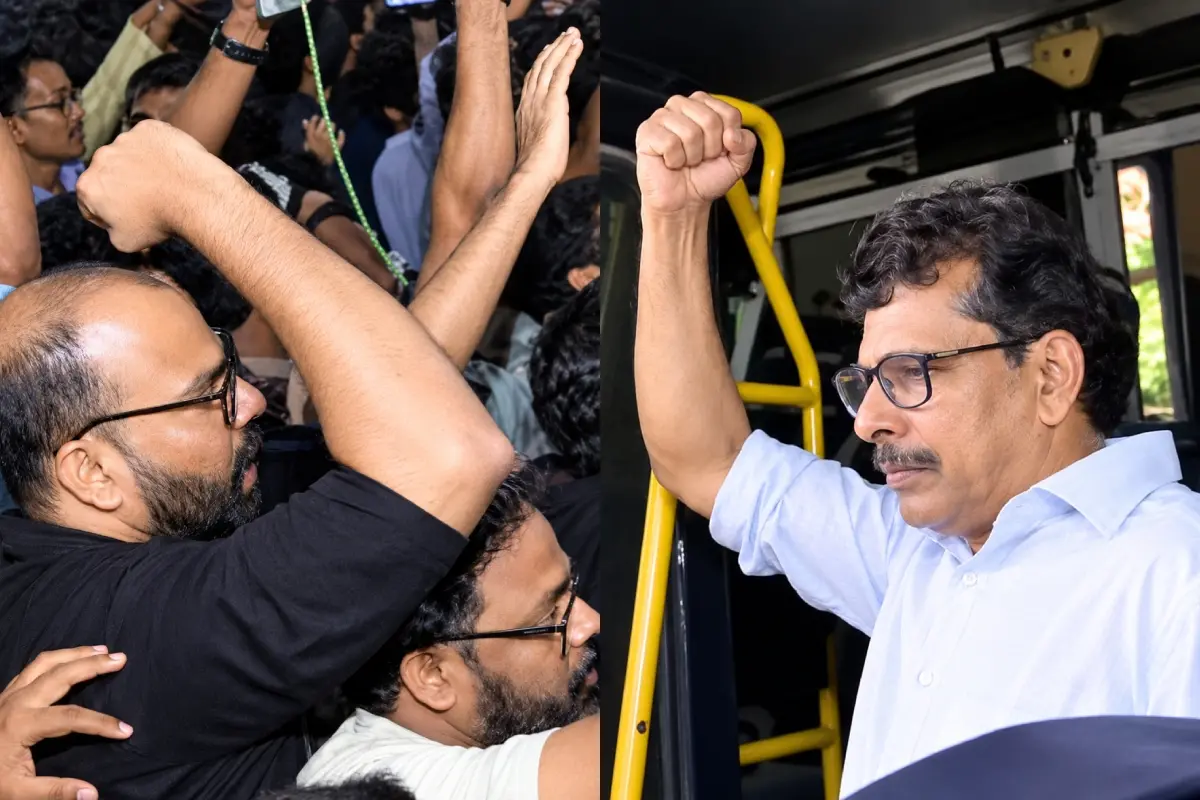
Outside the court, CPM cadres gathered to express solidarity with the convicted men as police escorted them to prison. The convicts responded by raising clenched fists and exchanging handshakes through the windows of the police bus.
Party sympathisers also celebrated the acquittal of senior leaders on social media, claiming that they had been unfairly targeted by political opponents and sections of the media.
CPM promises legal support to convicted workers
CPM state secretary M.V. Govindan acknowledged that both the convicted and acquitted individuals were party workers. He said the party would continue to provide them with the necessary legal assistance.
The position has raised questions about the party's moral responsibility, particularly as several convicted individuals have links to institutions controlled by the CPM.
Four of the seven men sentenced to life imprisonment are employees of the CPM-controlled Kannapuram Service Co-operative Bank. Another convicted person serves as a panchayat standing committee chairperson.
Critics argue that the involvement of local party leaders and cadres makes it difficult for the CPM to distance itself from the crime.
Former DYFI leader questions party's stand
Former Democratic Youth Federation of India (DYFI) leader Manu Thomas criticised the party's response to the verdict.
He referred to communist leaders such as P. Krishna Pillai and A.K. Gopalan, who had faced physical attacks from political opponents but had never ordered retaliatory killings of their rivals' relatives.
Thomas said defending or justifying the murder of a person was contrary to Marxism and the humanistic principles of the Left. He also warned that the party needed to correct its position before the public forced it to do so.
Ruling-Congress also criticised the CPM over the killing of 21-year-old Shukkoor in 2012, describing it as an example of political violence allegedly carried out in the presence of party figures.
Congress leaders have said the government would support the victim's family in challenging the acquittals to pursue further legal action.
Muslim League representatives, meanwhile, alleged that intimidation had prevented key witnesses from appearing before the court, weakening the prosecution's conspiracy charge against senior leaders.
The CPM has maintained that the verdict exposed the political nature of the conspiracy allegations against its senior leaders. However, the conviction of local party workers continues to draw attention to questions of political violence and accountability.