Who really was ‘Butcher of Nithari’? SC verdict ends a tale of horror and botched probe
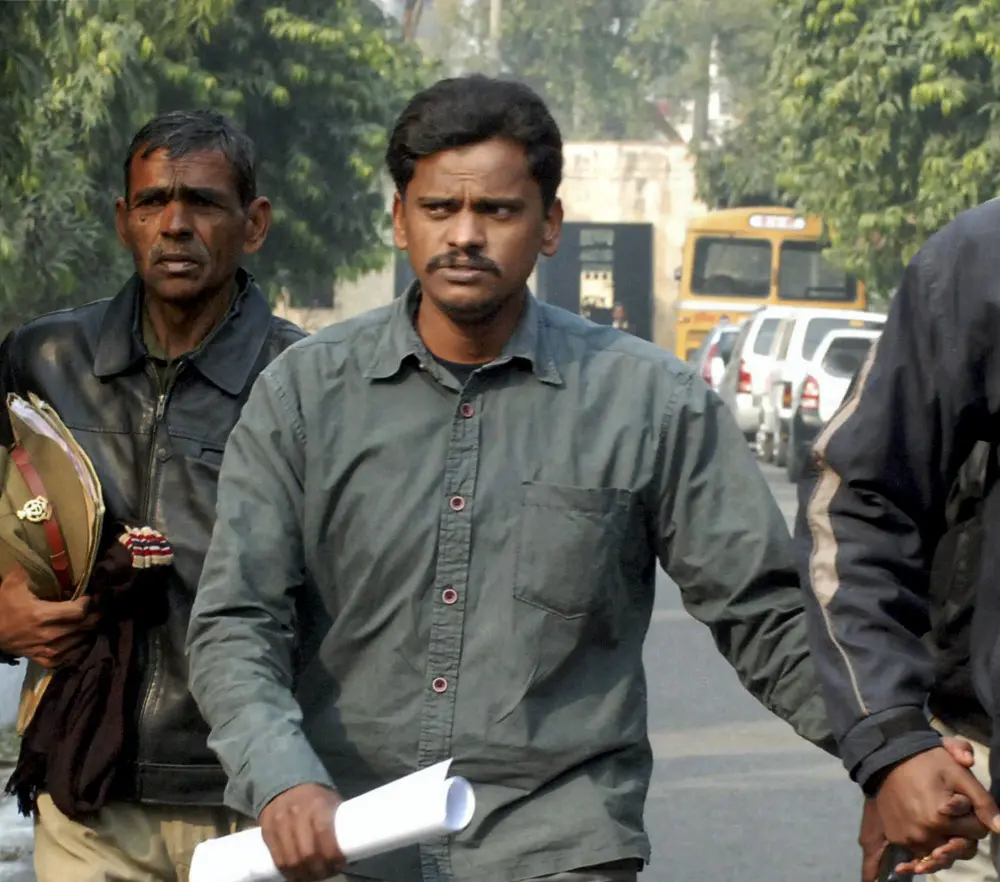
New Delhi: Surendra Koli, once branded the “Butcher of Nithari” in one of India’s most chilling crime sagas, has been set free by the Supreme Court, bringing a formal end to years of what the court acknowledged as a botched investigation and a sensational media trial built on claims of cannibalism.
A bench of Chief Justice B.R. Gavai and Justices Surya Kant and Vikram Nath allowed Koli’s curative petition, clearing him of all criminal taints after nearly two decades of legal battles.
Reading out the verdict, Justice Vikram Nath said, “The curative petition is allowed.”
Koli, now 53, will walk out of prison after being acquitted in all other cases linked to the infamous 2006 Nithari killings in Noida. The judgment marks a complete turnaround for a man who once faced 19 criminal cases, along with his employer, Mohinder Singh Pandher, who too was acquitted earlier.
The Nithari killings first came to light in 2006 when the disappearance of several minors from the Noida village led to the discovery of human remains in a drain outside Pandher’s residence in Sector-31 — a home that came to be known as the “House of Horrors”.
What followed was a storm of public outrage and sensational allegations — from child abduction and sexual assault to organ trade and cannibalism. Both Koli, a domestic worker, and Pandher were arrested and charged in multiple cases.
The Central Bureau of Investigation (CBI) eventually registered 19 FIRs. Three cases were closed due to lack of evidence, while Koli was convicted in several others and even sentenced to death in one.
However, in 2015, the Allahabad High Court commuted his death sentence to life imprisonment, citing the long delay in deciding his mercy plea. Then, in 2023, both Koli and Pandher were acquitted after the court ruled that the prosecution had failed to establish their guilt “beyond a reasonable doubt”, terming the probe “botched up.”
With Tuesday’s ruling, the Supreme Court has now given Koli complete relief, suspending all remaining punishments and allowing him to walk free — closing one of the most controversial criminal chapters in recent Indian history. IANS