One Piece to Doraemon: Manga series that have been running longer than the Internet
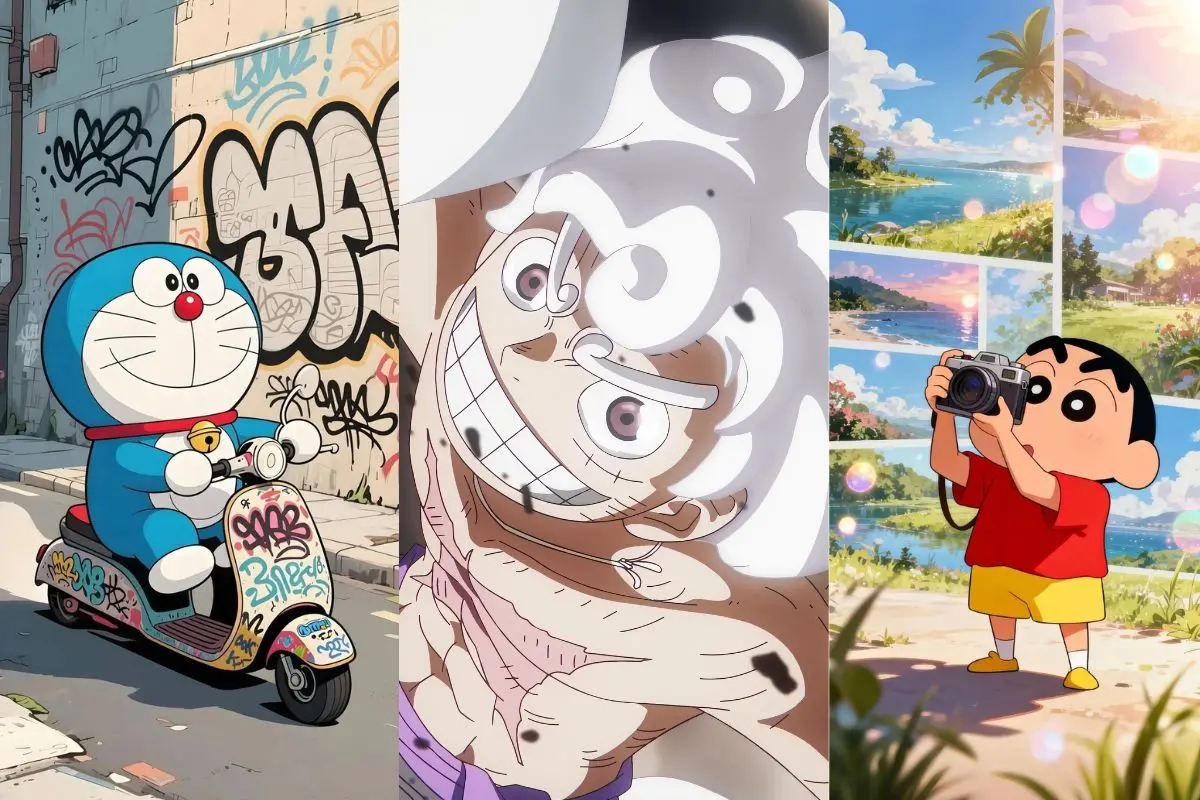
Some stories are meant to be short and sweet. Others grow so large that they span generations, outlive trends, and become part of everyday culture. In manga, a handful of series have done exactly that, staying alive for decades through shifting art styles, changing readers and entirely new eras of storytelling.
From pirates and detectives to robotic cats and wrestling superheroes, these long-running manga are not just comics. They are living archives of imagination, nostalgia and creative endurance.
One Piece
Nearly three decades after Monkey D Luffy first set sail, Eiichiro Oda’s pirate epic continues to rewrite records. With more than 1,135 chapters, One Piece began its Grand Line adventure in 1997. What truly sets it apart is Oda’s talent for long-term storytelling, often planting plot details years before they finally come together in surprising ways.
Lupin III
Created by Monkey Punch in 1967, Lupin III introduced readers to a charming gentleman thief who would go on to influence countless creators. The series blends clever heist stories with slapstick humour and helped popularise the anti-hero protagonist in manga long before it became fashionable.
Doraemon
A blue robotic cat from the 22nd century captured hearts for 27 years under the pen of Fujiko Fujio. Doraemon explored themes of friendship, technology and growing up, while its futuristic gadgets famously inspired real-world engineers and inventors.
Crayon Shin-chan
Five-year-old Shinnosuke Nohara may appear crude on the surface, but Crayon Shin-chan offers sharp satire on Japanese family life and social norms. The series cleverly balances child-friendly humour with jokes that parents instantly recognise, making it enjoyable for all ages.
Golgo 13
Launched in 1968 by Takao Saito, Golgo 13 began as a straightforward assassination tale and evolved into Japan’s longest-running manga series. The story follows Duke Togo, a mysterious sniper, and has become a defining work in mature storytelling.
Kochira Katsushika-ku Kameari Kōen-mae Hashutsujo (KochiKame)
Officer Kankichi Ryotsu entertained Weekly Shonen Jump readers for an incredible 40 years. Running from 1976 to 2016, the series amassed 1,960 chapters across 201 volumes and even earned a Guinness World Record for the most volumes published for a single manga series.
Sazae-san
First published in 1946, Hasegawa’s four-panel comic followed Sazae, a progressive housewife navigating family life in post-war Japan. The manga ran for 28 years, while its animated version continues today with more than 7,000 episodes broadcast.
GeGeGe no Kitarō
Shigeru Mizuki’s supernatural folklore series began in 1967 and follows Kitarō, a one-eyed yokai boy who bridges the human and spirit worlds. Over more than six decades, the manga reshaped how Japanese culture viewed traditional monsters.
Glass Mask
Since 1976, this drama-focused manga has followed Maya Kitajima’s intense pursuit of acting excellence. Rather than action, Glass Mask emphasises emotional depth and psychological development, setting new standards for sophisticated storytelling in manga.
JoJo’s Bizarre Adventure
Hirohiko Araki’s 1987 masterpiece spans 133 volumes and tells stories across generations of the Joestar family. Each arc reinvents itself while retaining familiar themes, allowing the series to stay fresh over decades.
Detective Conan
Introduced in 1994, this mystery series follows teenage detective Shinichi Kudo, who is trapped in a child’s body. With more than 1,136 chapters, Detective Conan reached major milestones even before One Piece, proving its lasting popularity.
Hajime no Ippo
George Morikawa’s boxing manga traces Ippo Makunouchi’s rise from bullied teenager to champion. The series stands out for treating every opponent as a character with their own story, exploring the emotional and psychological side of sport.
Baki
Running for over 34 years, Baki presents fighting as a form of art. While its battles often seem extreme, the series remains grounded in anatomical detail, constantly pushing the limits of human physical potential.
Captain Tsubasa
Yoichi Takahashi’s football manga, launched in 1981, inspired Japan’s love for the sport. Tsubasa Ozora’s journey from schoolboy to professional footballer influenced real-life players who credit the series for sparking their dreams.
Tsuribaka Nisshi
This slice-of-life comedy revolves around salaryman Densuke Hamasaki and his obsession with fishing. Through humour and workplace chaos, the series captures Japan’s fishing culture with surprising depth and warmth.
Cooking Papa
For 41 years, Cooking Papa blended family comedy with food culture. The story of Araiwa’s secret cooking skills doubles as entertainment and an informal guide to Japanese cuisine and changing social habits.
Kinnikuman
What began as a gag manga evolved into a full-blown wrestling superhero saga. Spanning 40 years, Kinnikuman’s exaggerated characters and wrestling moves even left their mark on real-life professional wrestling.
Ginga Series
Yoshihiro Takahashi’s canine saga began in 1983 with Ginga: Nagareboshi Gin. Spanning 147 volumes across multiple series, it explores loyalty, survival and leadership through stories centred entirely on dogs.
Super Mario-kun
This long-running licensed manga adapts Mario video games into humorous stories with original twists. By focusing on creative interpretation rather than strict adaptation, Super Mario-kun proves that game-based manga can thrive for decades.