‘Normally producers don’t even listen but I narrated the story 15 times’: Rishab Shetty on how ‘Kantara: Chapter 1’ was shaped
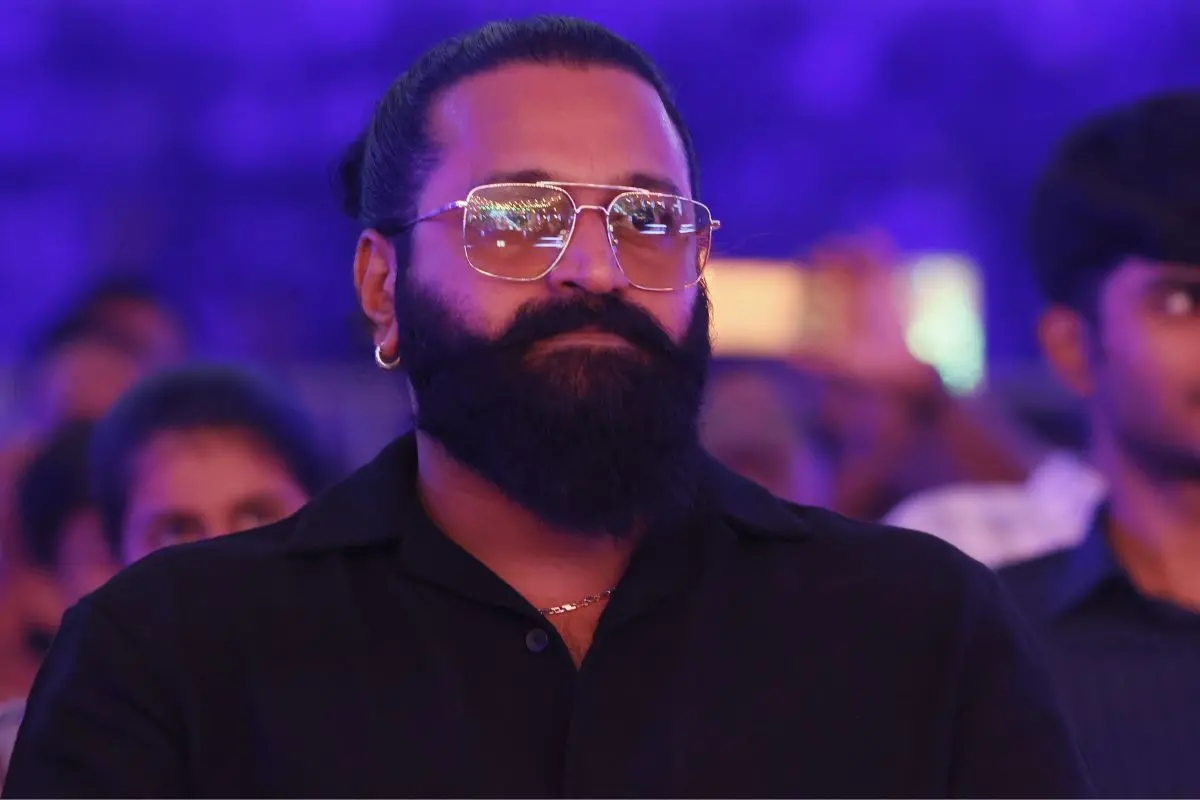
With ‘Kantara: Chapter 1’ gearing up for its grand October 2 release, anticipation around Rishab Shetty’s ambitious prequel is running high.
Now, the actor-director has opened up about the creative journey behind the film, crediting producer Hombale Films for playing an active role in shaping the project.
“They were involved in every step,” Rishab said in a recent interaction. “I wanted Hombale to be completely involved in the production process of the film and they stood beside me for the entire making.
I did over 15 story narrations with them, and they were present for all meetings. They were instrumental in figuring out what all is required for the story and helped me achieve my vision.”
Highlighting how rare such collaboration is, he explained:
“Agar sirf profit aur paisa hi sochte, toh yeh possible hi nahi hota. Yeh bahut hi rare hai. Story ko kya chahiye? Normally producers' story sunte hi nahi.
Ek baar Kantara hit ho gayi, toh bolte theek hai, ab karlo aur chhod do. Lekin mujhe woh nahi chahiye tha. Mujhe chahiye tha ki woh process mein involved ho.”
Rishab also revealed how the entire team—from cinematographer Arvind Kashyap to art and production designers—was repeatedly brought together to refine the vision.
“I called the entire production team nearly 15 times, including my DOP, designer, art and production crew. I narrated the story 14–15 times. We improvised based on the inputs we received, and I felt everyone should know what they are creating. In this process, production supported me a lot. From my side, I just want to say thank you Hombale.”
Backed by Hombale Films, ‘Kantara: Chapter 1’ has been mounted on a massive scale. The prequel features an epic war sequence with over 500 fighters and 3,000 people, shot across 25 acres of rugged terrain over nearly 50 days.
With music by B Ajaneesh Loknath and production design by Vinesh Banglan, the film is set to release in seven languages—Kannada, Hindi, Telugu, Malayalam, Tamil, Bengali, and English—taking folklore-driven storytelling to a global stage.