Why Warner Bros. Discovery called Paramount’s takeover bid ‘too risky’
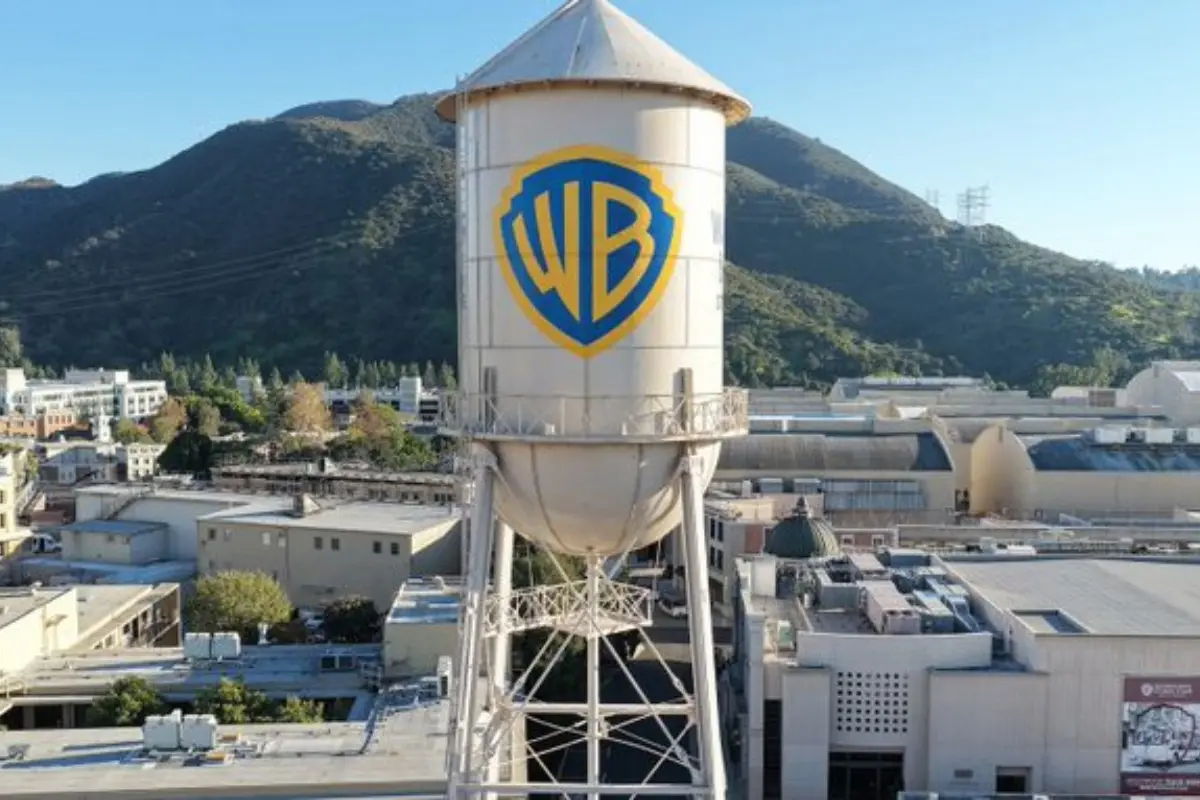
Warner Bros. Discovery has once again rejected Paramount’s revised hostile takeover bid, with its board reiterating that the proposal carries excessive financial risk compared with its existing agreement with Netflix.
Board deems Paramount offer inadequate
The Warner Bros. Discovery (WBD) board has advised shareholders that Paramount’s revised takeover proposal remains inferior to the company’s current merger agreement with Netflix. In a letter issued on Wednesday, the board described Paramount’s bid as “inadequate” and said it poses significantly greater risk to WBD and its shareholders.
Despite Paramount claiming it had addressed earlier concerns, the board concluded that the structure of the deal remains problematic, particularly when compared with what it described as the “certainty” of the Netflix transaction.
Concerns over debt and financing
A key issue highlighted by the WBD board is the financing model behind Paramount’s bid. The board likened the proposal to a leveraged buyout, noting that Paramount, which is smaller than WBD, plans to take on more than $50 billion in additional debt through multiple financing partners to complete the acquisition.
According to the board, this level of borrowing introduces substantial execution risk, including the possibility that the deal could collapse if financing arrangements fail. The letter stated that this risk profile is materially higher than that of the Netflix merger already agreed upon.
Netflix deal versus Paramount bid
Warner Bros. Discovery previously accepted Netflix’s offer of $27.75 per share for Warner Bros. and HBO, comprising $23.25 in cash and the remainder in Netflix stock. Paramount later went public with a competing offer of $30 per share after its initial approach was rejected, triggering a high-profile bidding battle.
However, the WBD board has maintained that Paramount’s higher headline price does not outweigh the financial uncertainty attached to the proposal. It has also pointed to the continued value of WBD’s cable television assets, which are not included in the Netflix deal.
Cable assets and Discovery Global
WBD’s cable networks, including CNN, are set to be spun off into a separate publicly traded company, Discovery Global, later this year. The board has argued that this new entity will hold significant standalone value, a view it says is not reflected in Paramount’s valuation of Discovery Global at just $1 per share.
This difference in valuation has further contributed to the board’s rejection of Paramount’s proposal.
Ellison backing and revised terms
Paramount has attempted to reassure WBD by highlighting backing from Oracle billionaire Larry Ellison, who is bankrolling a substantial portion of the proposed $78 billion transaction. In December, Paramount said Ellison would personally guarantee $40.4 billion of the financing and allow WBD shareholders to review the finances of the Ellison family trust.
Paramount also raised the breakup fee payable to WBD to $5.8 billion, matching Netflix’s commitment. However, it did not increase its $30-per-share offer in the revised bid.
What happens next
Paramount now faces several options: it can withdraw its bid, raise its offer, or seek a direct vote from WBD shareholders. Because the proposal is hostile, shareholders could choose to disregard the board’s recommendation if the matter is put to a vote.
For now, Warner Bros. Discovery’s leadership remains firm in its stance that the Netflix agreement offers greater certainty and lower risk than Paramount’s takeover attempt.