After ‘Dhurandhar’, old Uzair Baloch interview resurfaces; fans wonder if interviewer is still alive
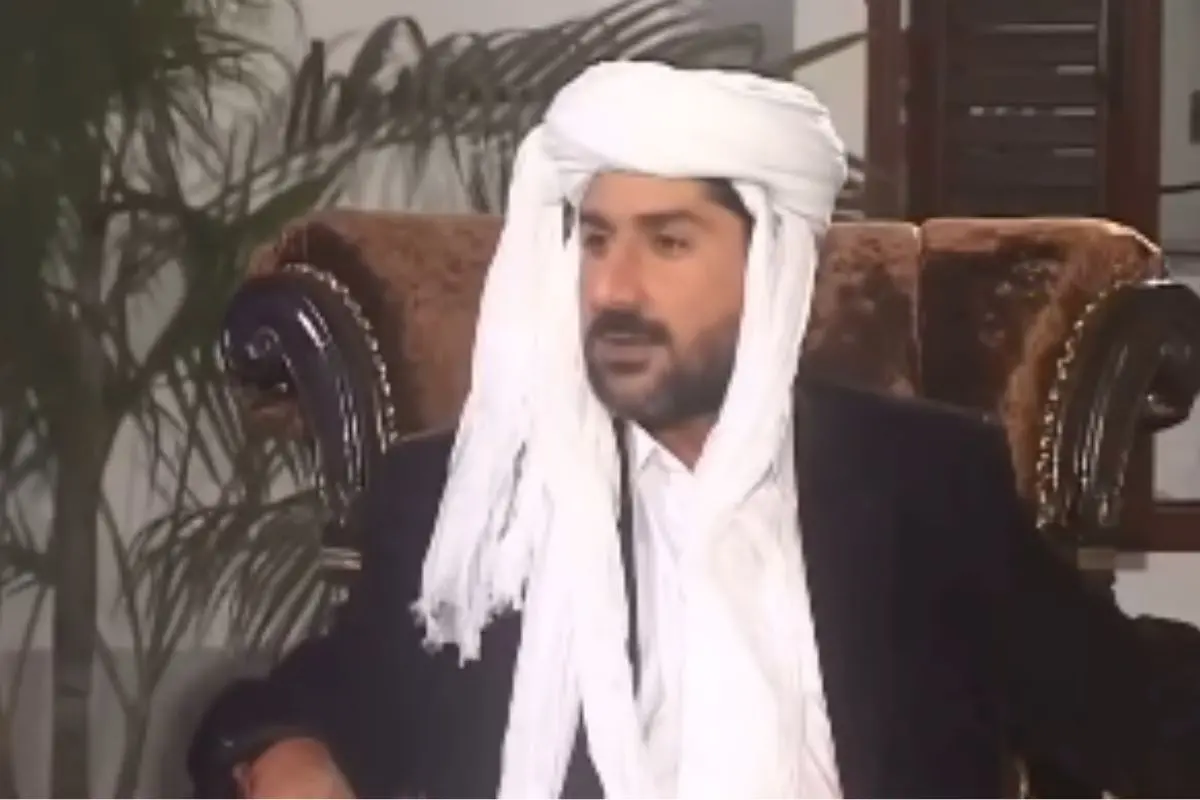
An old television interview with Karachi crime boss Uzair Baloch is circulating widely again, prompting social-media users to marvel at the journalist’s composure – and even question whether he survived the encounter.
The footage, recorded in 2012 by journalist Noor-ul-Arifeen, has resurfaced in the wake of Aditya Dhar’s hit film ‘Dhurandhar’, which dramatises the story of Lyari’s gang wars and depicts Uzair through an on-screen counterpart. The renewed attention has revived public scrutiny of Baloch’s lavish lifestyle, violent legacy and repeated claims of public service.
A stark contrast to Lyari’s realities
Lyari, one of Karachi’s oldest neighbourhoods, remains associated with decades of gang warfare, economic decay and poor infrastructure. Access to drinking water and secure employment has long been scarce for residents. Against that backdrop, Uzair Baloch’s life of luxury – financed through extortion networks and narcotics trade – was seen by many as a symbol of impunity.
His four-storey mansion, reportedly equipped with a swimming pool, stood in a community that struggled daily for clean water. That contradiction became a central theme in Noor-ul-Arifeen’s interview, which many viewers now describe as unusually direct for its time.
When asked where his wealth came from, Baloch replied, "I am a transporter and also own land. Aur Dubai mein extractor ka bhi karobar hai mera." ( I also run an extractor business in Dubai)
The interviewer pressed him on the installation of a water counter inside his home while Lyari residents queued for basic supply.
Baloch defended himself by attributing his wealth to divine favour and community welfare. He said, "Allah has given me these things. I'm distributing these things with my people. Come along with me. Let me show you how much love they have for me and how much I have given them. I am with them through every pain and suffering - whether it is hunger, water issues, progress, unemployment or any other problem."
He continued, "Today you called me a don. Others used to call me a don earlier, and today you also called me a don. This is the result of serving the public."
When questioned about killings linked to him, Baloch responded with one of the interview’s most widely-quoted lines: "I haven't even killed an ant. I have killed for public unemployment - I raised my voice, that was my 'murder'. I stood up for the people whenever needed. I fixed hospitals for Lyari. If being a killer means raising my voice for the poor, standing with them, helping them - then if that makes me a killer, that is your choice."
Internet wonders if the interviewer is ‘still alive?’
Clips from the interview are being aggressively shared across platforms, with users expressing astonishment that the journalist challenged a man widely feared in Pakistan’s underworld.
Comments range from dark humour to genuine concern: "This journalist was really brave. I hope he is still alive." and "The courage it took to ask these questions is unreal." Others joked that Noor-ul-Arifeen “deserves a role in ‘Dhurandhar 2’” and “Reporter be like : I'm not in danger, I'm the danger”.
The man behind Lyari’s bloodshed
Uzair Baloch emerged as a dominant figure in Karachi after the death of his elder brother, gangster Rehman Dakait. He quickly took command of Lyari’s criminal rackets and political networks, eventually heading the People’s Aman Committee, a group that wielded heavy influence in local politics.
His notoriety was cemented by extreme violence. Baloch is believed to have ordered the killing of rival Arshad Pappu, with local accounts alleging that Pappu’s mutilated body was displayed publicly and his severed head kicked like a football.
By 2014, Baloch was linked to dozens of killings, accused of targeting gang rivals, police officers and political opponents. He fled Pakistan ahead of arrest warrants and was detained by Interpol in Dubai in 2015 before being extradited.
In 2020, a military court sentenced him to 12 years in prison. Though he was recently acquitted in a 2012 arms case owing to lack of evidence, he remains behind bars.
Crime meets cinema
‘Dhurandhar’ has introduced Baloch’s story to new audiences. The film portrays the emotional fallout between Dakait and the brother who survived him – played by Danish Pandor – and ends with Uzair unaware that the man comforting him has killed his sibling.
With the film’s success, old material documenting Baloch’s own self-mythology has found fresh oxygen – and one risky interview now sits at the centre of the internet’s morbid fascination.