‘Lizzie McGuire’ star Robert Carradine dead at 71: What led to his death after years of struggle?
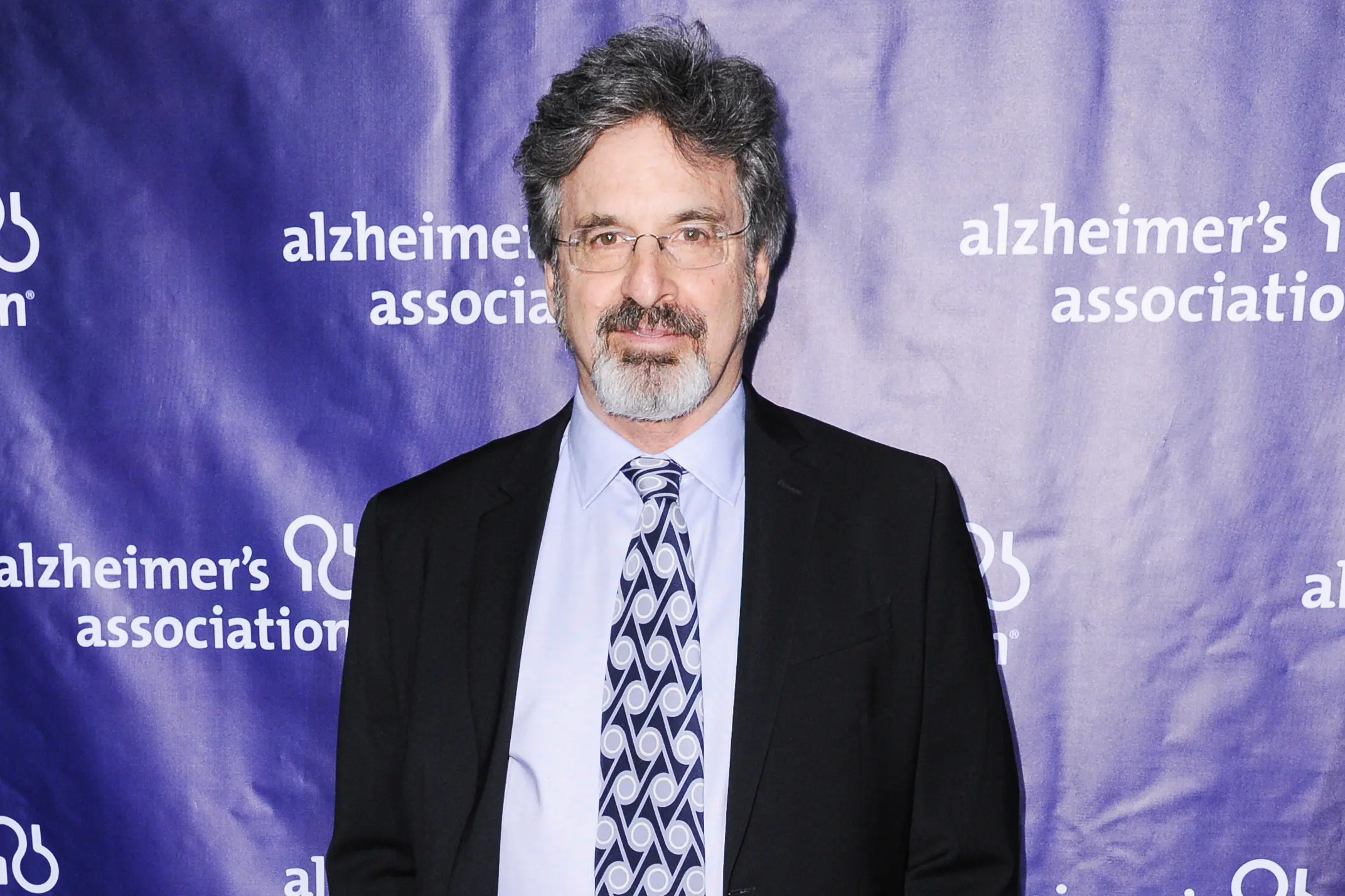
Actor Robert Carradine, best known for his lead role in the 1984 comedy ‘Revenge of the Nerds’ and as the father on ‘Lizzie McGuire’, has died at the age of 71, his family confirmed on Tuesday.
The performer, the youngest in the well-known Carradine acting dynasty, died by suicide following what relatives described as a nearly 20-year struggle with bipolar disorder. In a public statement, the family said he battled mental illness privately for years and hoped that sharing the circumstances would help reduce stigma.
“It is with profound sadness that we share the passing of our beloved father, grandfather, uncle, and brother, Robert Carradine… We also want to acknowledge Bobby’s brave battle with bipolar disorder over nearly two decades… At this time, we ask for privacy as we grieve this immeasurable loss,” the family said.
His brother Keith Carradine said: “We want people to know it, and there is no shame in it… He was profoundly gifted, and we will miss him every day.”
Early life and rise to screen roles
Born in Los Angeles on 24 March 1954, Carradine was the son of veteran character actor John Carradine and part of one of Hollywood’s most recognisable performing families. Though raised amid the industry, he initially imagined a career as a racing driver before acting opportunities emerged.
His on-screen debut came with appearances on ‘Bonanza’ in 1971 and the following year in ‘The Cowboys’, starring John Wayne. He later recalled that his brother David Carradine, who died in 2009, had encouraged him to audition for the film.
Carradine shared projects with his siblings throughout his career, including ‘The Long Riders’ and ‘Cannonball’. He also secured roles in landmark films such as ‘Mean Streets’, ‘Coming Home’, and ‘The Big Red One’.
Breakthrough and later television success
Carradine’s most recognisable performance came in 1984 when he portrayed Lewis Skolnick in ‘Revenge of the Nerds’, a role that defined his career and returned in sequels and television follow-ups. He later revisited the character in animated form on ‘Robot Chicken’ and co-hosted the competition show ‘King of the Nerds’.
In the 2000s, he reached a new audience through his role as the father on ‘Lizzie McGuire’, a Disney Channel hit. Series star Hilary Duff wrote on Instagram: “There was so much warmth in the McGuire family and I always felt so cared for by my on-screen parents… I’m deeply sad to learn Bobby was suffering.”
Later career, personal life and Tarantino casting
Despite his long filmography of more than 150 credits, Carradine’s projects became less prominent in later years. His career saw a resurgence when ‘Django Unchained’ director Quentin Tarantino cast him as a tracker in the 2012 film, impressed by a distinctive photo he had seen.
Carradine and his wife Edith were injured in a 2015 road accident in Colorado. The couple, married for more than 25 years, later divorced.
He is survived by his children Ever Carradine, Marika Reed Carradine and Ian Alexander Carradine. Ever, an actor herself, wrote: “Whenever anyone asks me how I turned out so normal… I knew my dad loved me… We were in it together.”
What caused Robert Carradine’s death?
Carradine’s family said he died by suicide, noting that he had lived with bipolar disorder for nearly two decades. His brother Keith Carradine emphasised that the illness ultimately “got the best of him”.
The family’s decision to disclose the cause, they said, was intended to reduce shame around mental health struggles.
Understanding bipolar disorder
Formerly known as manic depression, Mayo Clinic describes bipolar disorder as a mental health condition marked by “extreme mood swings” ranging from emotional highs (mania) to severe depressive episodes. The disorder can affect sleep, energy levels and cognitive clarity.
There are three recognised types:
- Bipolar I – defined by at least one manic episode, often followed or preceded by major depression; episodes can involve psychosis.
- Bipolar II – involves major depression paired with a hypomanic episode, but no full mania.
- Cyclothymia – features long-term fluctuations between periods of hypomanic and depressive symptoms, though less severe than major depressive disorder.
The Mayo Clinic notes that bipolar II is not a milder version of bipolar I but a distinct diagnosis, with those affected often experiencing longer depressive periods.
(With inputs from AP)