Kantara mimicry row: Karnataka HC directs Ranveer Singh to apologise in-person
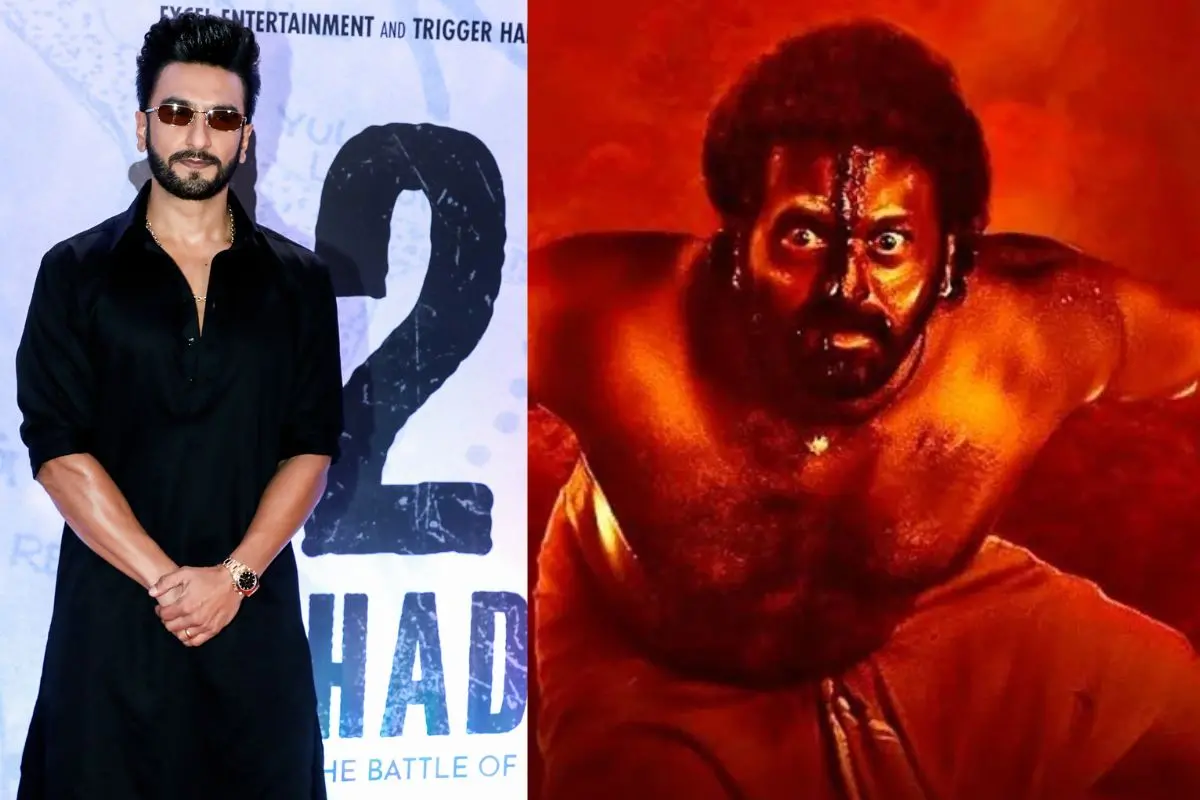
Mumbai: The Karnataka High Court has directed actor Ranveer Singh to issue an in-person apology over his alleged derogatory remarks about the divine character Chamundi in Kantara: Chapter 1.
Singh had filed a petition seeking to dismiss a private complaint and an FIR registered against him, but a single-judge bench, presided over by Justice M Nagaprasanna, expressed concerns over the delay in filing objections and emphasised that his comments “were not right,” highlighting the responsibility of public figures in their statements.
The court observed that Singh’s earlier apology on social media was insufficient. It suggested that he should visit Chamundi Hill along with his legal counsel to apologise personally. The bench noted that if summoned by the court, he must comply. The matter has been adjourned for further hearing on April 10.
The controversy arose after a video of Singh at an event went viral, in which he referred to Chamundi daiva as a “female ghost” while praising the film. Singh had said, "I watched Kantara Chapter 1 in theatres, and Rishab, it was an outstanding performance, especially when the female ghost (Chamundi daiva) enters your body, that shot was amazing.” He later imitated the scene in which Chamundi daiva possesses Rishab Shetty’s character, sparking widespread backlash.
Netizens criticised the actor, noting that Chamundi is a revered goddess, not a ghost. In response, Singh posted a public apology on social media, explaining that his intention was to appreciate Rishab Shetty’s performance.
“My intention was to highlight Rishabh's incredible performance in the film. Actor to actor, I know how much it would take to perform that particular scene in the way that he did, for which he has my utmost admiration. If I've hurt anyone's sentiments, I sincerely apologise,” Singh wrote.
The court’s directive underscores the importance of cultural sensitivity and accountability for celebrities, particularly when addressing religious and divine figures, in India’s public discourse.
IANS