‘Lalettan is beyond limits, one day even the Oscars will celebrate him...’
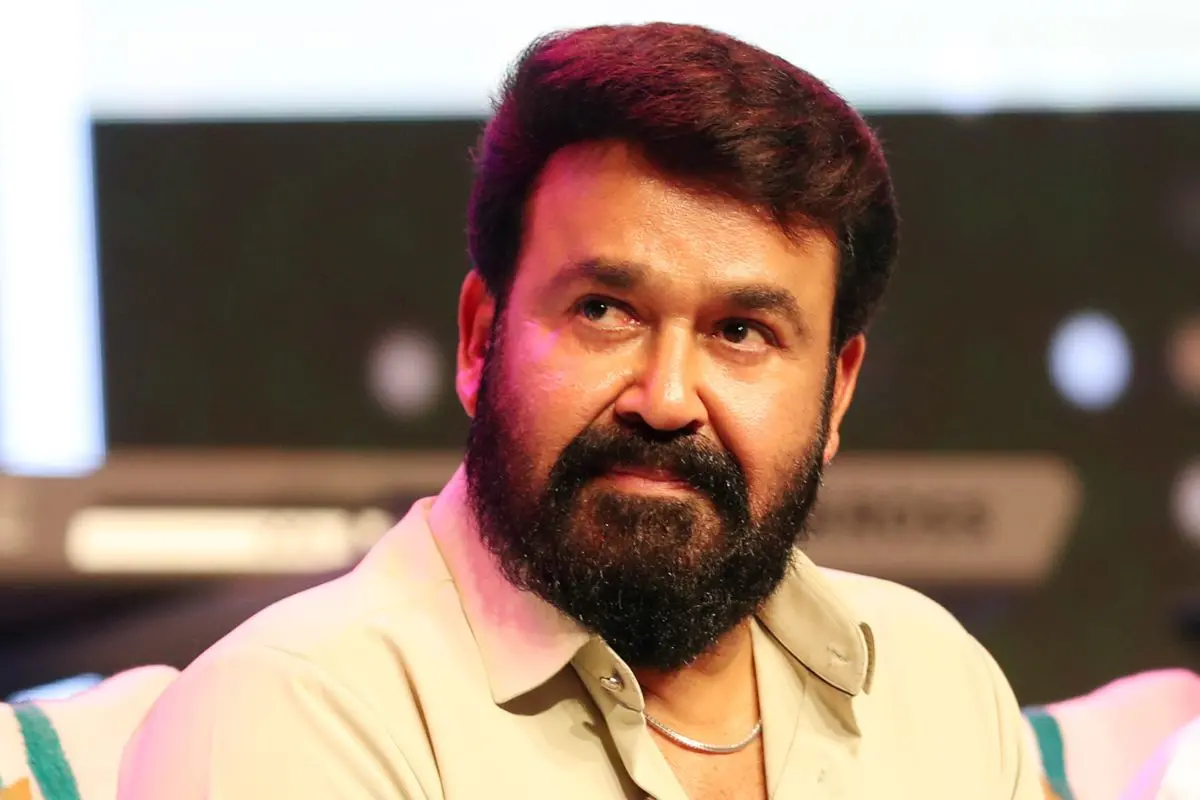
It was Madhu who first mimicked that walk, the slight tilt of the left shoulder. Until then, I had never paid such close attention to that particular ‘Mohanlal mannerism’.
By that time, Madhu had already transformed his speech into pure Lal style. Even in the way he called out “Raviyettaa”, there lingered a trace of that shy, Lal-like hesitation. And I have never heard anyone deliver the famous Lal dialogue, “Ey, njanaa type alla tto”, quite the way he did.
“Have you noticed Lal’s smile, Raviyettaa?” Madhu would ask occasionally. “It’s only half a smile. It never fully escapes. Half of it remains hidden inside.”
It was one of Madhu’s carefully observed insights. And when I thought about it, I realised there was truth in what he said. Never mind, I told myself. The next time I watched Lal on screen, I would pay closer attention.
Madhu believed Lal portrayed sorrow in much the same way. There would always be a silent cry within, but it would never shatter outward completely. Sethu Madhavan in Kireedam and Sathyanathan in Sadayam stood before us as perfect examples. Madhu often compared Lalettan’s restrained acting to Kishore Kumar’s singing.
“When Kishoreda sings a sad song, there’s a quiet ache beneath it. But he never lets it spill over completely. He keeps it contained. That’s exactly how Lalettan acts. Kishoreettan’s songs can move us to tears. Lalettan’s performances do the same...”
He was right. I had often felt it too. That restrained melancholy exists in songs like Mera Jeevan Kora Kagaz, Zindagi Ke Safar Mein and Jeevan Se Bhari.
After finishing his shift at the well-known bookshop, Madhu and I would wander lazily through MG Road in the evenings. More often than not, he would talk about Mohanlal. Then about Jayettan’s songs. After speaking at length, he would suddenly stop, as though someone had switched him off, grab my shoulders and ask:
“Why don’t you ever argue with me? If you simply agree with everything I say, where’s the fun in that? You should become Mammootty’s fan. Only then will there be some excitement...”
I liked Mammootty too, but I never felt the urge to challenge what Madhu said about Lal. Besides, who could possibly dislike the Mohanlal of those days? That charming rogue, that irresistible screen presence.
Madhu would dissect the subtleties of Lal’s acting with the mind of a researcher. At such moments, logic itself seemed irrelevant. We could agree or disagree, but he would always end with a prediction:
“Just wait and see, Raviyettaa. Nobody will ever be able to contain this man. He won’t stop until he wins an Oscar...”
Once, I called to tell him that I was going to cover the shooting of Bharatham for a leading film weekly. Madhu sounded genuinely hurt.
“You’re a traitor. How could you go to see Lalettan without taking me along?”
At the time, Madhu was in Kochi and I was in Kozhikode. When I tried to comfort him by saying there would always be a next time, he replied:
“When you meet Lalettan, tell him his biggest fan is here...”
And I did. During the shoot itself, Lal responded with a smile:
“Convey my regards to that fan.”
For Madhu, that alone was enough to make life feel fulfilled.
As Madhu entered a new phase of life, our meetings became less frequent. We stayed in touch over the phone instead. Every time a new Mohanlal film released, he would call me. He would share every detail he had heard about the film. He would imitate dialogues from the latest Lal film he had watched.
Then, one day, those calls stopped forever. Suddenly. Without warning.
In the middle stretch of life, without even saying goodbye to anyone, Madhu quietly slipped away.
Years later, as I watched Madhu’s ‘Lalettan’ receive the Dadasaheb Phalke Award from the President at Vigyan Bhavan, I heard that voice again, echoing across time.
“Just wait and see, Raviyettaa. Nobody will ever be able to contain this man. He won’t stop until he has won every award there is...”