Singer Kesha blasts White House for using her song in war clip; 'stop using my music, perverts'
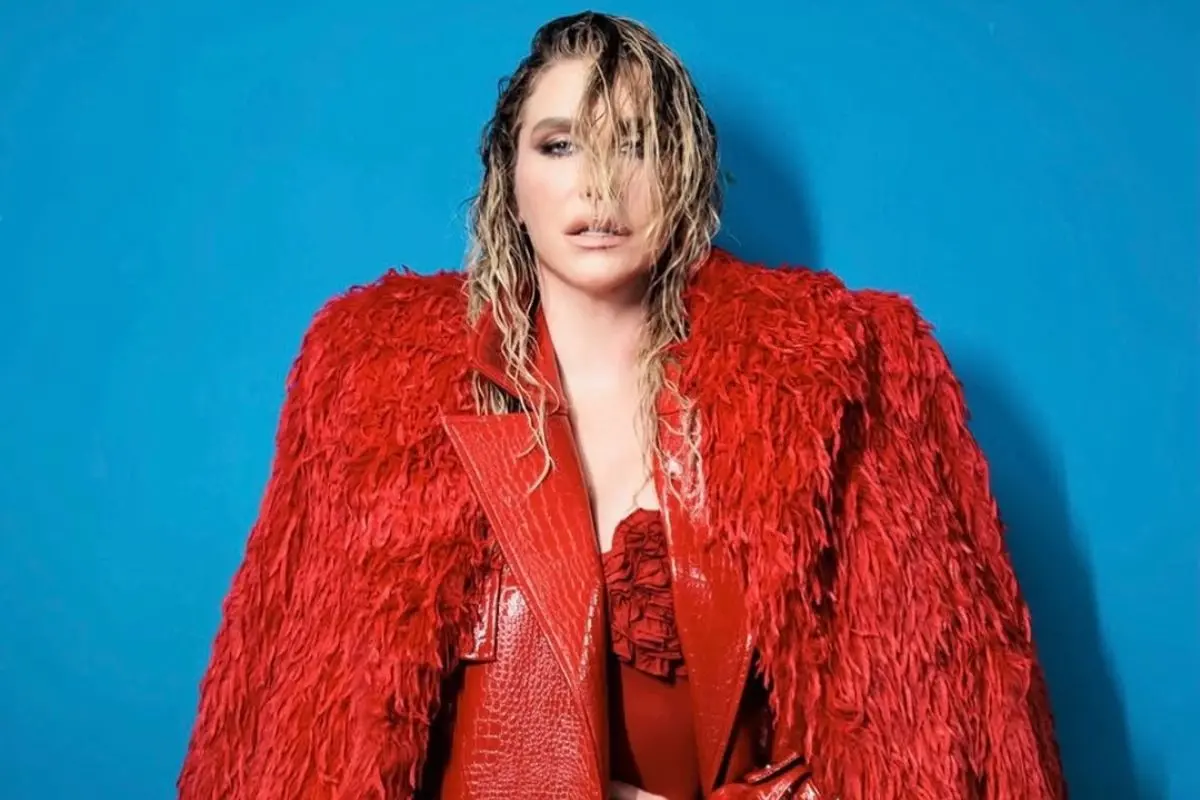
Pop star Kesha has sharply criticised the White House after it used her track ‘Blow’ in a widely circulated social media post that depicted a fighter jet firing a missile at what appears to be a naval vessel. The video, uploaded on 10 February, has drawn significant backlash from musicians who say their work is being misappropriated to promote political messaging and militaristic themes.
The TikTok clip, captioned ‘Lethality’, has been viewed more than 15 million times and liked by nearly two million users, fuelling a new round of disputes between the Trump administration and artists whose songs have been used without permission.
Kesha publicly condemned the post on Monday, saying she was appalled to see her music linked to content she described as violent and dehumanising. “It’s come to my attention that The White House has used one of my songs on TikTok to incite violence and threaten war,” she wrote, adding: “Trying to make light of war is disgusting and inhumane. I absolutely do NOT approve of my music being used to promote violence of any kind. Love always trumps hate. Please love yourself and each other in times like this. This show of blatant disregard for human life and quite frankly this attack on all of our nervous systems is the opposite of what I stand for.”
She closed her message with a pointed reference to the Epstein records: “Also, don’t let this distract us from the fact that criminal predator Donald Trump appears in the Files over a million times.”
White House response
A senior communications official Steven Cheung reposted Kesha’s remarks with a dismissive message. “All these ‘singers’ keep falling for this,” he wrote. “This just gives us more attention and more view counts to our videos because people want to see what they’re bitching about. Thank you for your attention to this matter.”
While the White House attempted to flip the outrage into a promotional advantage, online engagement suggested the opposite: Cheung’s post drew roughly 26,000 views, compared to almost 547,000 for Kesha’s rebuttal. Her original statement has surpassed one million views.
She subsequently posted, “Stop using my music, perverts @WhiteHouse”.
Part of a wider pattern of musicians revolting
The conflict adds Kesha to a fast-growing roster of artists objecting to their music being deployed by government accounts or Trump campaign outlets. Recent weeks have seen strong pushback from several major performers.
Radiohead rebuked the Department of Homeland Security after their song ‘Let Down’ appeared in a pro-ICE video shared by the White House and related accounts. The band demanded its removal, saying: “We demand that the amateurs in control of the ICE social media account take it down. It ain’t funny, this song means a lot to us and other people, and you don’t get to appropriate it without a fight.” They added: “Also, go f*ck yourselves.”
Olivia Rodrigo issued her own warning in November, telling ICE: “Don’t ever use my songs to promote your racist, hateful propaganda.” Sabrina Carpenter similarly condemned a clip showing aggressive immigration enforcement set to her track ‘Juno,’ calling the video “evil and disgusting.” SZA also objected in December after a pro-ICE post featured one of her songs.
Legal battles and settlements
In another recent case, the estate of Isaac Hayes reached a settlement with Donald Trump over the unauthorised use of ‘Hold On, I’m Coming’ at campaign events. The estate said the resolution “reaffirms the importance of protecting intellectual property rights and copyrights, especially as they relate to legacy, ownership, and the responsible use of creative works.”
These disputes have become a recurring issue for the White House and the Trump campaign, which have struggled to fend off accusations of intellectual property violations while continuing to use popular music in political messaging.
The video at the centre of the controversy
The clip that triggered Kesha’s outcry was posted on TikTok on 10 February and features a brief sequence of a jet firing a missile that destroys an unidentified ship. The administration titled the clip “Lethality,” and it swiftly went viral.
The song underscoring the footage, ‘Blow,’ first appeared on Kesha’s EP ‘Cannibal’ in 2010 and was released as a single in February 2011. The track became widely known for its energetic dance-pop sound and a music video featuring actor James Van Der Beek.