Iran flogs singer Parastoo Ahmadi with 74 lashes for defying hijab rules in viral YouTube concert
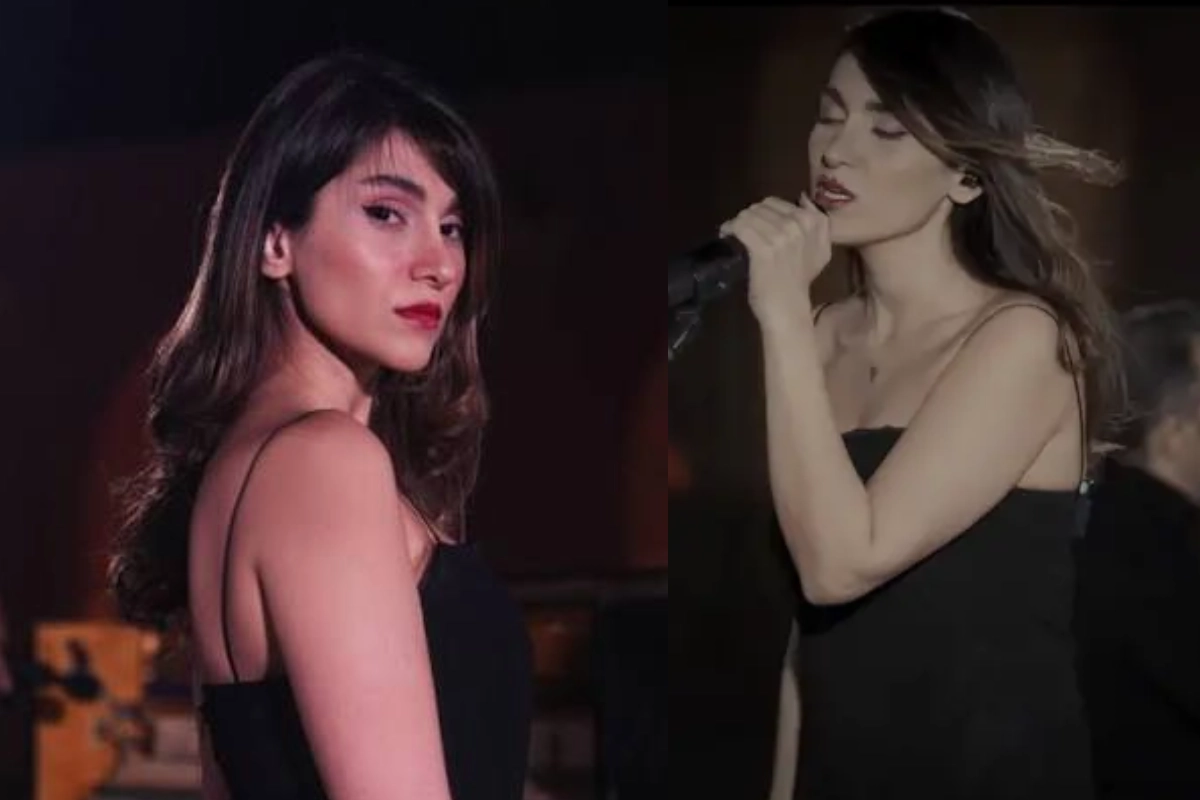
Iranian singer Parastoo Ahmadi and four members of her production team have received 74 lashes each over an online concert in which she performed without wearing a hijab, according to local media reports. The punishment was carried out on Monday following a court ruling linked to the performance, which was recorded and uploaded to YouTube in December 2024.
Lawyer Mostafa Nili confirmed that the sentence had been enforced, with Iranian news agency ISNA and reformist newspaper Shargh reporting the development. The case has drawn international attention to restrictions on women's rights and artistic expression in Iran, where women face restrictions on public singing and are required to cover their hair in public.
The performance, which attracted millions of views online, showed Ahmadi singing alongside male musicians at a historic caravanserai without a live audience. The 29-year-old's appearance, with her hair uncovered and dressed in a long gown, challenged the country's compulsory dress code as well as restrictions on women performing publicly.
What led to the punishment?
The case originated with a video Ahmadi shared on YouTube in December 2024. Described as the 'imaginary concert', the performance featured nine Persian songs sung against the backdrop of a dimly lit stage decorated with a large Persian carpet. The concert was filmed at the historic Deir-e Gachin Caravanserai near Qom, a traditional resting place for travellers.
Ahmadi performed without a headscarf, accompanied by male musicians dressed in black. There was no audience at the venue, but the video attracted more than 3.2 million views on YouTube.
Women in Iran are prohibited from giving solo singing performances in public, a restriction that has been in place since the 1979 Islamic Revolution. The country's regulations also require women to observe modest dress and wear a hijab in public.
The judiciary-affiliated Mizan News Agency had described Ahmadi's performance as an 'illegal concert', alleging that it violated the country's legal and religious standards. Authorities subsequently initiated legal proceedings against the singer and members of her team.
What charges did Parastoo Ahmadi face?
Ahmadi and members of her production team faced charges of "offending public decency" and "complicity in the production, transmission, dissemination and publication of obscene and vulgar content".
A court sentenced nine people, including Ahmadi, musicians and members of the production crew, to 74 lashes each in June. The ruling was reportedly upheld on appeal in September, before the punishment was carried out.
According to reports, Ahmadi and four members of her team have also been handed two-year restrictions on artistic and musical activities and travel. It remains unclear whether the other four individuals sentenced in the case have received their punishment. Reports have also not established whether Nili represented all five people who were flogged.
In October, Amnesty International criticised the confirmation of the sentence on appeal and called on Iranian authorities to stop the punishment.
The organisation urged the government to "abandon any plans to carry out flogging sentences".
Flogging has been widely condemned by international human rights organisations as cruel, inhuman and degrading treatment. Western governments have also criticised Iran's use of corporal punishment, describing it as a violation of international human rights standards. Tehran, however, has rejected criticism of its human rights record and accused Western countries of overlooking their own shortcomings.
Iran's restrictions on women and the hijab
The case has renewed scrutiny of Iran's compulsory hijab regulations and restrictions on women's participation in public life.
The rules became a major focus of international attention following the death of Mahsa Amini in September 2022. The 22-year-old Kurdish Iranian woman died in custody after being detained by the country's morality police for allegedly violating the dress code.
Her death triggered widespread protests across Iran under the slogan 'Woman, Life, Freedom'. Demonstrators challenged the country's restrictions on women and called for greater personal freedoms, including the right to decide whether to wear a headscarf.
Since the protests, increasing numbers of Iranian women have appeared in public without hijabs, particularly in Tehran and other major cities. Although enforcement has become more selective in some areas, women continue to face the possibility of legal action for defying the regulations.
Ahmadi's performance challenged two restrictions simultaneously: the compulsory hijab requirement and the prohibition on women singing solo in public.
Other Iranian artists punished over their work
Ahmadi is among several Iranian artists and public figures who have faced legal consequences and corporal punishment for challenging the country's restrictions.
Musician Mehdi Yarrahi was sentenced to 74 lashes after releasing 'Roosarito', a protest song supporting women who opposed compulsory hijab regulations.
Human rights activist Roya Heshmati also received 74 lashes after being convicted in connection with appearing in public without a headscarf.
Dissident rapper Toomaj Salehi has faced imprisonment and legal proceedings over songs criticising the Iranian authorities and expressing support for the 'Woman, Life, Freedom' movement.
These cases have intensified concerns among human rights organisations over the treatment of artists, activists and women who use public platforms to challenge government policies.