Ilaiyaraaja vs Sony Music: Madras HC directs disclosure of revenue from compositions
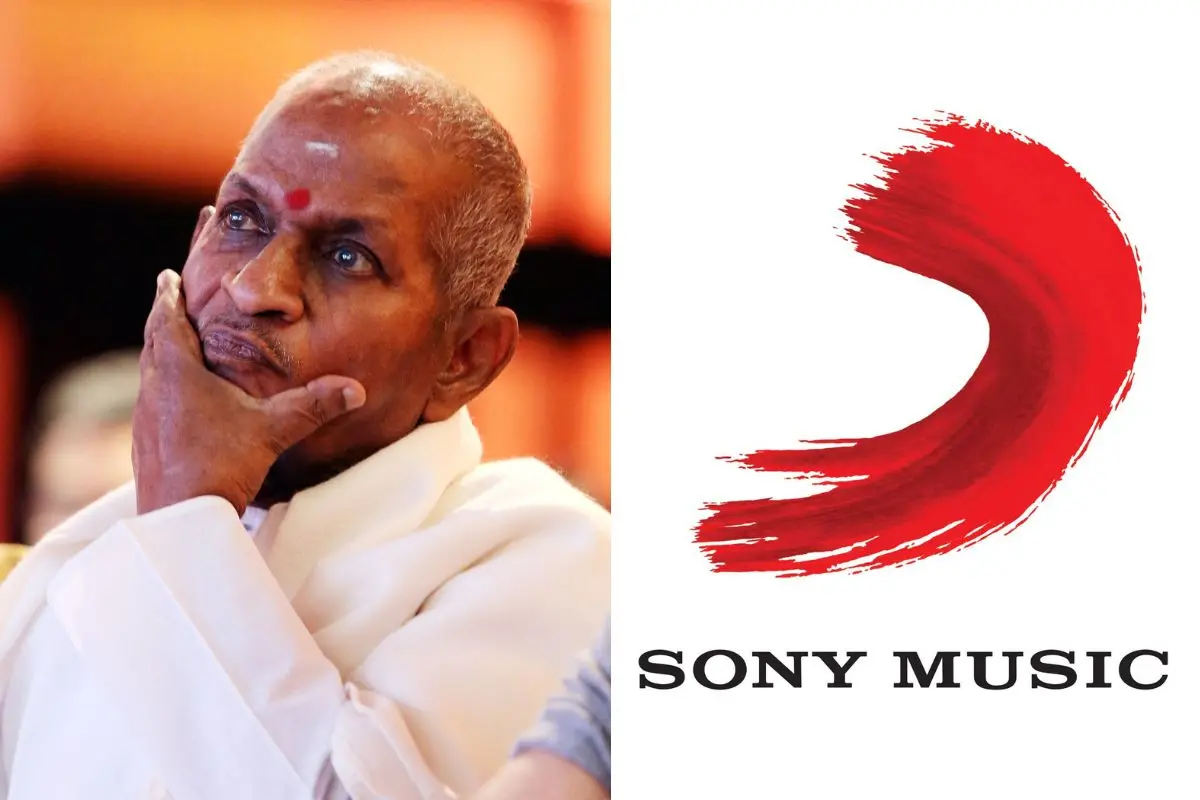
Chennai: The Madras High Court on Friday ordered Sony Music Entertainment India Private Limited to produce detailed accounts of revenue earned through the commercial exploitation of renowned composer Ilaiyaraaja’s musical works.
Justice N Senthilkumar issued the directive while hearing Ilaiyaraaja’s civil suits and applications against Sony Music, Echo Recording Company Private Limited, and Oriental Records, alleging unauthorised use of his compositions without consent. The court has given Sony Music until October 22 to submit the records and file its counter.
Ilaiyaraaja’s petition claims that he has always operated on a principal-to-principal basis with producers and collaborators, never as an employee or under a ‘work for hire’ arrangement. He asserted ownership and rights over his compositions are protected under the Copyright Act, 1957. According to Section 17, he is the first owner of his musical works in the absence of any written assignment. Under Section 14, he holds exclusive rights to reproduce, adapt, and communicate his works to the public.
According to a report by LiveLaw, Ilaiyaraaja argued that throughout his distinguished career, having composed over 7,500 songs, he has retained full authorship, ownership, and moral rights over his original compositions and sound recordings. He emphasised that his works are independently created with complete creative autonomy, based only on minimal input from directors, and not under any producer’s control. He sought a declaration that the copyright in his musical works exclusively belongs to him, and that Sony Music holds no rights or interest in them.
Senior advocate S Prabakaran, representing Ilaiyaraaja, submitted that no party has produced any documentation to show Ilaiyaraaja had parted with ownership or rights in his original musical works. He further alleged that Sony Music has been exploiting the composer’s works on various digital and streaming platforms without compliance with the Copyright (Amendment) Act, 2012, and without paying the statutorily mandated equal share of royalties.
Prabakaran further contended that Sony Music had been distorting his music by adding beats and remixing songs, violating his moral rights under Section 38B of the Copyright Act, which protects authors against modifications prejudicial to their reputation.
In contrast, Sony’s counsel, Senior Advocate Vijay Narayan, argued that prior to the 2012 amendment, producers became owners of music after paying composers. He stated that the rights to 118 movies were purchased by Echo Recording, then transferred to Oriental Records, and finally to Sony, contending that Ilaiyaraaja cannot claim ownership over those works.
The composer seeks to restrain Sony Music from exploiting over 300 of his film compositions across digital platforms such as YouTube, Apple Music, and Amazon Music. He has demanded that Sony render a true and faithful account of all revenues, receipts, and profits derived from the use of his works since February 18, 2022, and pay all amounts found due, along with interest and costs.