From 'Kantara: Chapter 1' to a sacred stone mystery: What Kannada and Tulu cinema bring to IFFI 2026
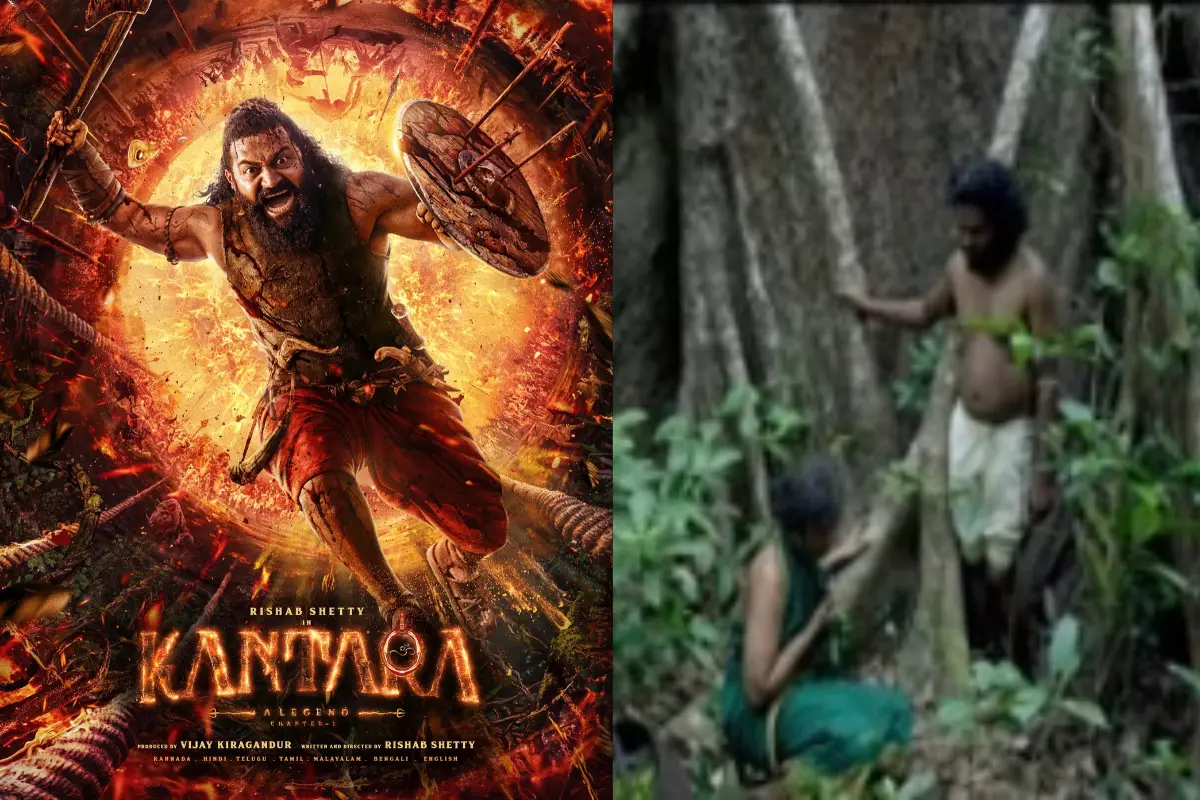
From Rishab Shetty's folklore-driven epic Kantara: A Legend – Chapter 1 to stories of family relationships, personal struggles and traditional healing, Kannada and Tulu cinema will take the spotlight at the 57th International Film Festival of India (IFFI), which is set to begin in Goa on November 20.
The festival will showcase four Kannada films and a Tulu film, offering audiences a glimpse into the diverse storytelling traditions of the two film industries. The selection spans mainstream cinema, short films and documentaries, with themes ranging from folklore and faith to social injustice, human relationships and the preservation of indigenous knowledge.
Among the major attractions is Kantara: A Legend – Chapter 1, directed by and starring Rishab Shetty. Set during the Kadamba era, the film follows Berme, a young forest dweller who enters the neighbouring kingdom of Bangra and witnesses the exploitation of forest communities by its rulers.
When Prince Kulashekara attacks the tribes and kills several members of their community, Berme joins their fight for justice and dharma. Blending folklore, faith and the struggle to protect forest communities, the film has been selected for both the Indian Panorama's Mainstream Cinema section and the International Competition.
Another Kannada entry, Ruby-Cube, directed by P Sheshadri, explores family relationships through the story of three generations spending a holiday together at a hill station.
The film follows Rohini, a psychologist who reconnects with her estranged husband Moorthy through their daughter Chitra, who is facing difficulties in her marriage. As the family spends time together, unresolved tensions and buried emotions emerge. A Rubik's Cube serves as a metaphor for the complexities of relationships and the patience and understanding required to resolve them.
Social injustice and an individual's prolonged fight for justice form the subject of The Hug of Emptiness, directed by Dr Pradeep Kenchanuru (Dr Pradeep Kumar Shetty K).
The documentary follows Chandrashekhar, whose property was taken over by the Sullia Cooperative Bank in 2003 after he failed to repay a loan. Maintaining that the action was unjust, he embarked on a legal battle that has continued for more than two decades. With no permanent home, he has been living in his car while pursuing the case. The film captures his loneliness, determination and uncertain journey in search of justice.
The Kannada short film Ulididdu Sampige Maatra (Only the Flower Remained), directed by Abhishek, takes a more intimate look at love, loss and memory.
It tells the story of Manjanna, who lives alone with memories of a woman he once loved. When her photograph gets damaged, he approaches an artist to recreate her portrait from memory. However, an unexpected encounter with a mysterious stranger after he receives the painting changes his perspective on the past and takes the story towards an unforeseen conclusion.
Also read | IFFI 2026: Prem Nazir tribute, Nivin Pauly's Sarvam Maya put Malayalam cinema in focus
Tulu cinema explores traditional healing
Representing Tulu cinema, Pili Channe, directed by Anupama Sharadhi, centres on a tribal woman who inherits the traditional healing knowledge of her grandmother.
Before her death, the grandmother entrusts her with a sacred stone believed to hold the forest's healing wisdom. Using the knowledge passed down to her, Pili Channe helps members of her community and earns their trust. However, a greedy village doctor and the village chief attempt to take the stone for themselves. She refuses to surrender it, setting the stage for a struggle to protect her ancestral inheritance.
The film explores traditional medicine, courage and the preservation of indigenous knowledge. It will have its World Premiere at IFFI 2026.
Also read | IFFI line-up includes 159 international, 76 Indian films; 'Fatherland' to open festival
IFFI to mark 50 years of Girish Kasaravalli's cinema
The festival will also pay tribute to acclaimed Kannada filmmaker Girish Kasaravalli through a special in-conversation session titled The Moral Universe of Parallel Cinema: 50 Years of Girish Kasaravalli on November 21.
Moderated by Naman Ramachandran, the session will reflect on five decades of Kasaravalli's filmmaking, beginning with his debut Ghatashraddha and including acclaimed works such as Tabarana Kathe, Thaayi Saheba and Dweepa.
Known for exploring social injustice, moral dilemmas and the lives of marginalised communities, Kasaravalli has made a significant contribution to parallel cinema. The discussion will examine his distinctive storytelling approach and the relationship between cinema and social conscience.
Through its Kannada and Tulu selections, IFFI 2026 seeks to bring regional stories and distinct cultural perspectives to a wider audience, highlighting the range of subjects and filmmaking traditions within these two cinemas.