FIFA's first World Cup halftime show made history, but is football becoming too commercial?
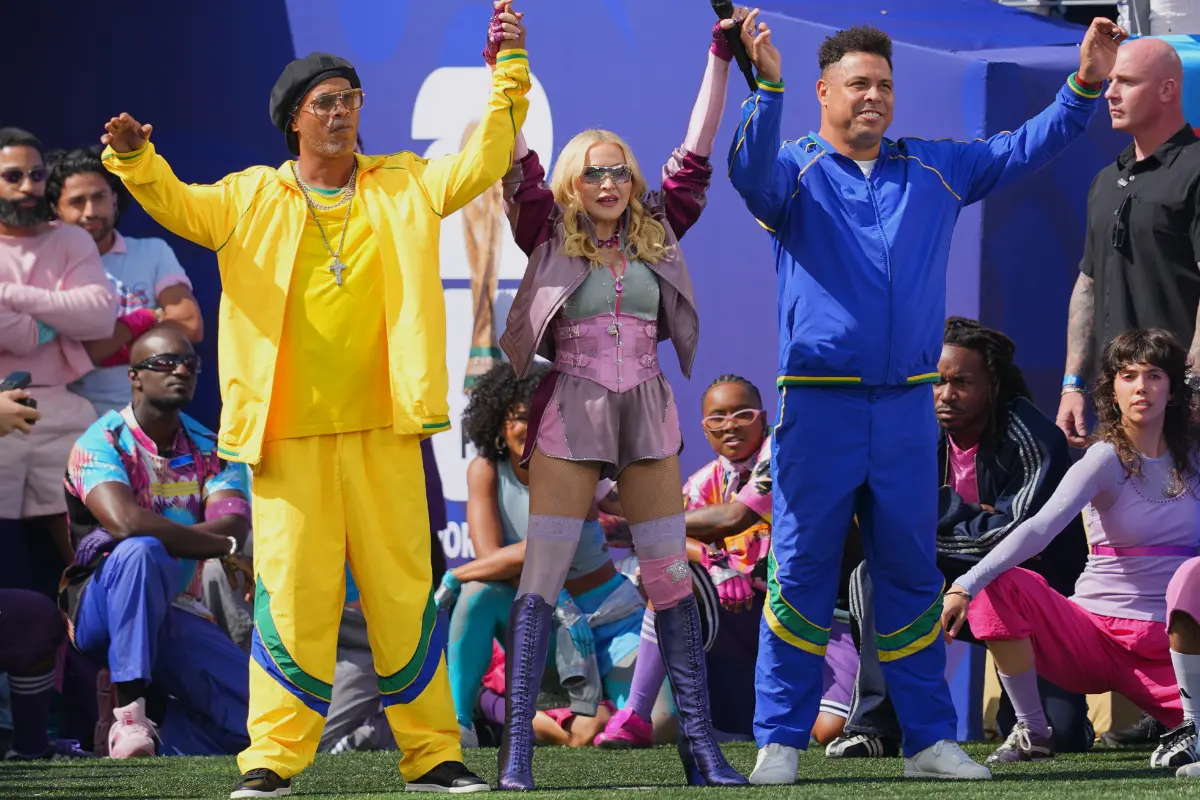
For the first time in World Cup history, the final featured a halftime show. Performances by Madonna, Justin Bieber, Shakira, BTS, Burna Boy and several other artists took place during the break.
The World Cup final between Spain and Argentina drew an audience of more than a billion viewers worldwide. FIFA introduced the halftime show to broaden the tournament's appeal beyond traditional football audiences, but many lifelong supporters saw it as another example of the sport becoming increasingly commercialised.
Football's laws state that halftime should not exceed 15 minutes. For the final, however, the interval was extended to around 20 minutes to accommodate an 11-minute performance produced by Global Citizen, making it the first World Cup final to adopt a Super Bowl-style entertainment format.
For football traditionalists, the move represented an unnecessary departure from the game's long-standing rhythm.
John Williams, a British sports sociologist, argued that halftime had always been reserved for players to recover, coaches to adjust tactics and broadcasters to analyse the first half. Replacing that period with a concert, he said, fundamentally changed the atmosphere of football's biggest match.
Questions had also been raised before kickoff about whether the longer break would affect players physically. Colombia coach Néstor Lorenzo had previously criticised similar plans during the 2024 Copa América final, warning that an extended interval could leave players cooling down too much before the second half.
Organisers, however, said they had spent months ensuring the production would have minimal impact on the match.
Guy Carrington of live entertainment company Done+Dusted explained that the pitch at New York New Jersey Stadium was protected with a specially designed tarp before modular stages were rolled into place. Equipment and camera systems had also been tested to ensure they left no marks on the playing surface before players, including Lionel Messi and Mikel Oyarzabal, returned after halftime.
The limited runtime also presented a creative challenge
Madonna, Justin Bieber, Shakira and BTS each had enough material to headline full concerts, yet the performance required every act to contribute only a few. Carrington said the focus was on creating one cohesive production rather than individual performances.
Shakira, who performed the tournament's official song Dai Dai with Burna Boy, said her experience during the 2020 Super Bowl halftime show had taught her that memorable performances are built on selecting the right moment.
The idea itself had been years in the making
Coldplay frontman Chris Martin first proposed a World Cup halftime show following the 2022 tournament. Working with Global Citizen, he helped shape the concept before it was approved by FIFA president Gianni Infantino. Martin also played a role in selecting the artists, saying authenticity mattered more than genre or language.
The concept was first tested during the 2025 Club World Cup final at the same venue, where J Balvin, Tems, Doja Cat and Coldplay performed from a stage constructed in the stands to avoid damaging the grass. Organisers later acknowledged visibility issues for some spectators and refined the production for the World Cup final.
Beyond entertainment, the show also served a philanthropic purpose.
Global Citizen said the event supported a campaign aiming to raise $100 million for children's education and access to sport. None of the performers were paid, according to the organisation. Around 350 participants, including dancers, the New York Philharmonic led by Gustavo Dudamel, a Staten Island elementary school choir and even Muppet characters appeared during the production.
Even after the performance, criticism remained
A survey of nearly 2,100 people in Britain found that 55 percent viewed the introduction of a World Cup halftime show negatively. Brenda Elsey, a football historian and professor at Hofstra University, argued that many fans were not opposed to change itself but questioned why the change was happening. In her view, the decision was about commercial priorities more than the wishes of football supporters.
The halftime show also became part of a broader conversation around the expanded 2026 World Cup, which featured 48 teams, soaring ticket prices and mandatory hydration breaks that some broadcasters used for advertising. Critics saw these changes as evidence of FIFA's growing focus on entertainment and commercial revenue.
Supporters viewed the show differently
Global Citizen CEO Hugh Evans described the performance as an opportunity to celebrate music, culture and philanthropy on a global stage. Drawing comparisons to the 1985 Live Aid concerts, he said the goal was to create a moment that reflected the diversity of audiences watching around the world.
Whether it marked the beginning of a new World Cup tradition or remained a one-off experiment, the inaugural halftime show ensured that the 2026 final would be remembered for far more than the football.