‘I’m a misfit everywhere...’: Fahadh Faasil gets brutally honest about fame, failure and dumbphones
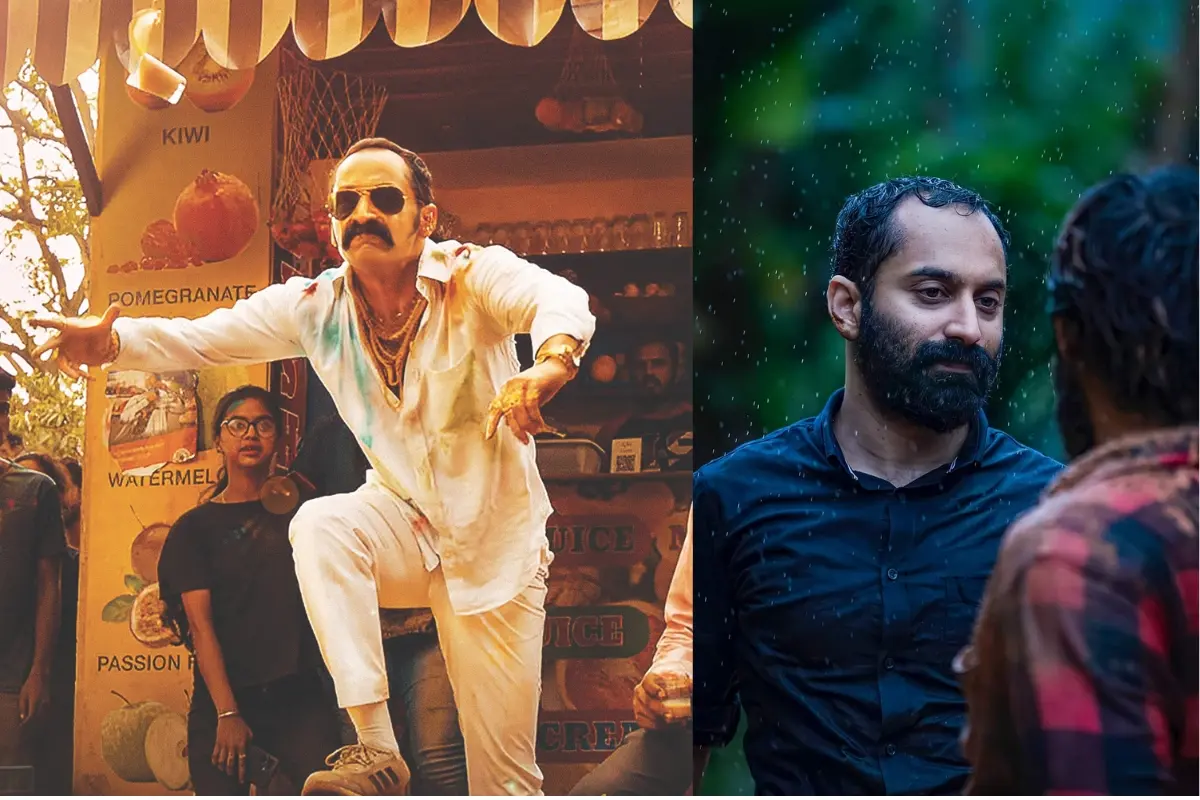
Acclaimed Malayalam actor Fahadh Faasil opens up about his unconventional journey in cinema, embracing failure, and stepping away from the digital grind.
Widely regarded as one of India’s most nuanced performers, Fahadh speaks with characteristic clarity and honesty about why stardom doesn’t drive him, how he navigates work-life boundaries, and why he’s traded smartphones for solitude.
Fahadh Faasil doesn’t flinch when he says, “I have failed more than I’ve succeeded.” Coming from one of Indian cinema’s most celebrated actors, it sounds almost improbable. But for Fahadh, failure isn’t a threat—it’s just part of the journey. “Failure doesn’t bother me,” he says, in an exclusive conversation with The Hollywood Reporter India. His body of work reflects a deep, often uncomfortable honesty—one that trades box office noise for lasting resonance.
Why doesn’t success define him?
Fahadh isn’t interested in chasing stardom or fanfare. He’s chasing something else—time. “I fight time,” he explains. “Not Friday, not the box office. I want what I make to still mean something ten years later.” Unlike many actors who revisit their own films for validation or nostalgia, Fahadh avoids rewatches unless the work has been technically restored. For him, self-critique outweighs sentiment.
How does he approach his craft?
Unconcerned with the technical side of filmmaking, Fahadh is refreshingly blunt: “I don’t know cinematography, lighting, or music. I only act.” There’s no pretence here. Instead, he places his faith in his collaborators—cinematographers, directors, composers—and listens closely. “I trust the people who know those things,” he says. It’s not modesty; it’s a clear method of immersing himself in performance without distraction.
Why did he give up smartphones?
Two years ago, Fahadh switched to a button phone—a deliberate step away from the addictive digital world. “I had no discipline with digital life. I was getting used to it in a way I didn’t like,” he admits. The decision was more than just about a device; it was about drawing boundaries. “I don’t put family pictures out. No public sharing. I felt I had to draw the line somewhere.”
Despite the switch, Fahadh remains well-informed. “My team shows me memes and viral stuff,” he laughs. “I know what’s happening.” But he’s clear about one thing—online popularity means little without quality work. “If you do bad films, even WhatsApp can’t save you,” he says. “Only good work connects.”
What grounds him when he’s not filming?
When he’s not on set, Fahadh finds his peace behind the wheel. “Driving is meditative. I get to go fast. I get to think.” It’s in this quiet solitude that ideas settle. His emotional anchor? Music. He confesses that A. R. Rahman’s Rasathi from Thiruda Thiruda moves him to tears every time. “Rahman sir’s music… it’s magic.” Another favourite of his is Taal, echoing his deep love for evocative soundscapes.
What’s next for Fahadh Faasil?
Maareesan, Fahadh’s upcoming Tamil-language comedy thriller, sees him sharing the screen with legendary comedian Vadivelu. Directed by Sudheesh Sankar and produced by R. B. Choudary under Super Good Films, the film is set to be a blend of wit and suspense. With music by Yuvan Shankar Raja and cinematography by Kalaiselvan Sivaji, Maareesan also features editing by Sreejith Sarang.
As always, Fahadh’s choices are quiet yet purposeful. He may not chase trends, but he endures—anchored by craft, conviction, and a steady refusal to play the game. Along with his wife, actor Nazriya Nazim—another beloved figure in Malayalam cinema—Fahadh continues to represent a generation of artists who don’t just perform; they leave a mark.