Keffe D found guilty of murder in 1996 drive-by shooting of Tupac Shakur
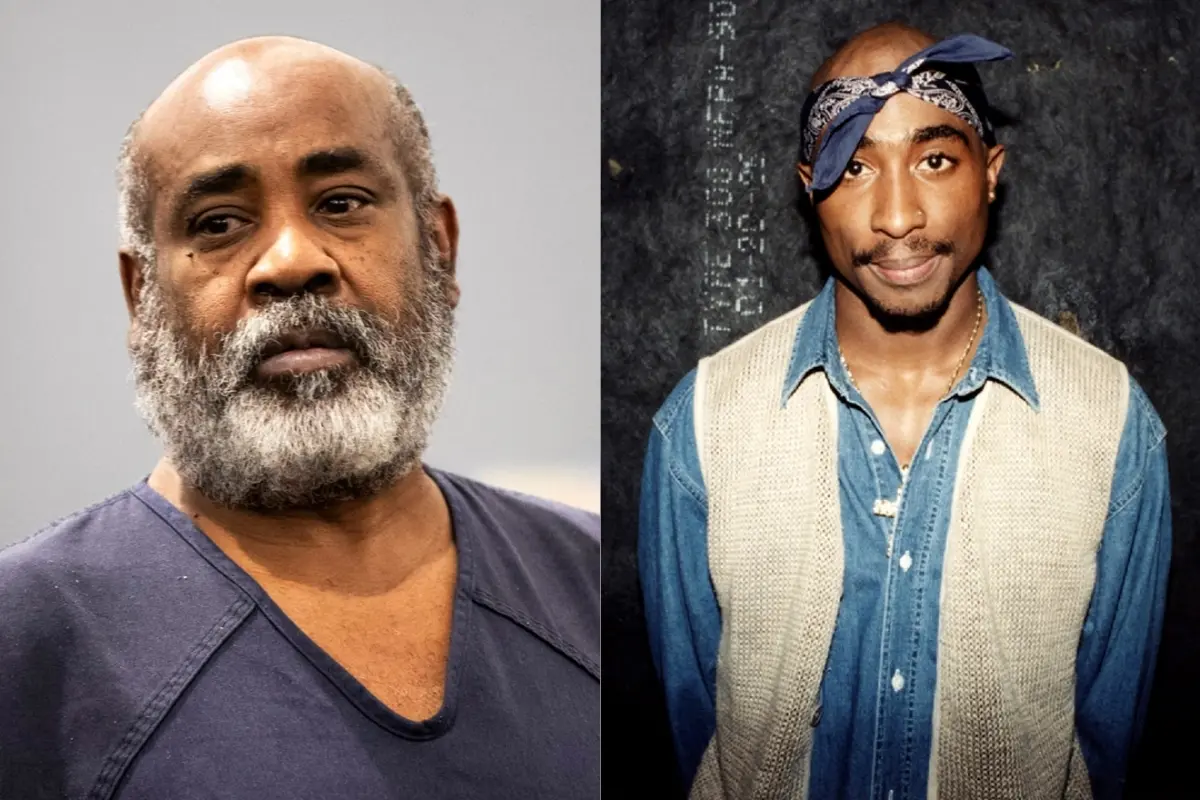
Las Vegas: A jury has convicted Duane “Keffe D” Davis of masterminding the 1996 drive-by shooting of rap legend Tupac Shakur, drawing a decades-long mystery that captivated global hip-hop culture closer to a final conclusion.
The 63-year-old was found guilty on Monday of a single count of murder with a deadly weapon, a conviction that carries a potential sentence of life imprisonment. The jury reached its decision in under three hours following a multi-week trial in Las Vegas.
As the verdict was delivered, Shakur's sister, Sekyiwa “Set” Shakur, wept and embraced members of the prosecution team, whilst Davis' son rested his face in his hand.
During closing arguments earlier on Monday, Chief Deputy District Attorney Binu Palal told the panel that Davis sourced a firearm and "went hunting" for Shakur and Death Row Records co-founder Marion "Suge" Knight after the pair had assaulted Davis' nephew earlier that evening.
“He is responsible of the murder of Tupac Shakur,” Palal said. "Tell him you hear him. Find him guilty.”
State prosecutors argued that despite variations in his account over time, Davis consistently placed himself inside the white Cadillac from which the gunshots were discharged. Although he did not pull the trigger himself, evidence demonstrated that he directed the shooting in his capacity as a dominant gang leader whom the younger occupants, including his nephew, were bound to obey.
Defence counsel Michael Sanft questioned the jury over whether any proof existed that Davis had ever directed such orders prior to or following the incident.
The panel of 16 jurors, including four alternates, evaluated testimony from 24 prosecution witnesses and three defence witnesses over nine days of proceedings.
State prosecutors noted that a gang enhancement charge was dropped owing to witness logistics.
The historic case concluded after years of intense fascination from true-crime analysts and music enthusiasts worldwide. Shakur, regarded as one of hip-hop's most influential figures, was stopped at a red light in Las Vegas on 7 September 1996, when a white Cadillac drew alongside his vehicle and opened fire. He succumbed to his injuries six days later, whilst Knight sustained injuries but survived.
For decades, no arrests were made in connection with the killing until Davis began issuing public statements acknowledging his presence in the vehicle and admitting he passed the weapon to passengers in the rear, framing the attack as retaliation for the assault on his nephew. Davis remains the sole surviving individual among the four men prosecutors say occupied the Cadillac.
Witnesses detailed the intense feud between rival Los Angeles street gangs—the Mob Piru and Davis' Southside Compton Crips—preceding the shooting, alongside the gangs' respective ties to Knight's Death Row Records and Sean "Diddy" Combs' Bad Boy Records.
Sanft maintained that no physical evidence directly linked his client to the crime scene. He contended that the autobiography co-authored by Davis and his media interviews were exaggerated displays designed for financial gain rather than accurate disclosures.
Throughout the proceedings, Sanft challenged the prosecution's timeline, arguing that investigators failed to corroborate Davis' claims and highlighting a lack of physical data, such as telephone records, to prove Davis directed the shooting.
“They have nothing in this case that says that man was here in Las Vegas on September 7, 1996,” Sanft said during his closing argument.
In response, prosecutor Marc DiGiacomo referenced a scrapbook maintained by Davis filled with news articles concerning Shakur.
“This guy's scrapbooking his murder, for God's sake,” DiGiacomo told jurors.
Palal presented Davis' 2019 memoir, "Compton Street Legend," alongside broadcast footage in which Davis encouraged the public to purchase the book to learn the "real truth." Although the publication includes a disclaimer stating certain details were altered, prosecutors maintained that the central narrative remained consistent.
Sanft also cited the autobiography during his final statements, reciting the N-word aloud while reading a passage, which caused several onlookers in an overflow courtroom to wince and shake their heads.
In various interviews, Davis recounted passing the weapon to the rear seat, though he declined both in broadcast statements and within his book to identify the shooter.
While arguing that Davis' own declarations were sufficient to convict, prosecutors stressed that gang rivalries provided the fundamental motive.
Testimony highlighted the fierce hostility between the Mob Piru and Davis' South Side Compton Crips prior to Shakur's death, along with their affiliations with competing record labels—Mob Piru aligned with Knight's Death Row Records and the South Side Compton Crips linked to Sean "Diddy" Combs' Bad Boy Records.
The drive-by shooting of Bad Boy artist The Notorious B.I.G. six months after Shakur's death was referenced repeatedly during the trial. Law enforcement witnesses confirmed Davis was briefly treated as a suspect in that murder before being cleared. That case, which similarly continues to fascinate hip-hop followers, remains unsolved.
AP