Diddy accused of forcing employees to carry 'pink cocaine': What is it?
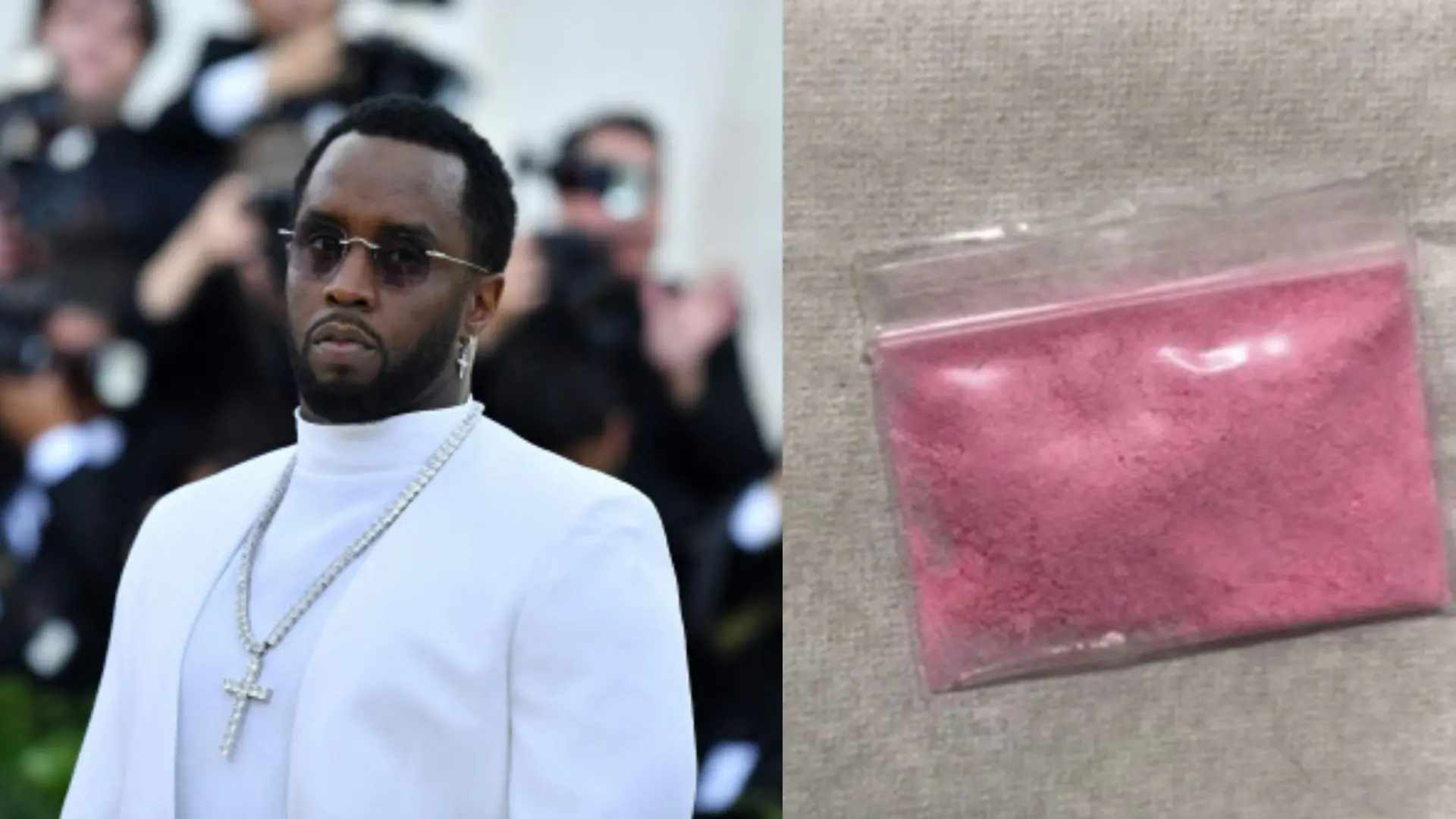
Los Angeles: A complaint filed against Sean "Diddy" Combs earlier this year alleges that his employees were compelled to carry a drug known as pink cocaine, or "Tuci," which has also been detected in the system of Liam Payne following his death, according to reports from People.
The complaint was filed by Rodney "Lil Rod" Jones, a former videographer and producer for Combs, who sued him in February, accusing him of sexual harassment and claiming that drug use was widespread within Combs' business operations.
Jones stated that employees, including housekeepers, chefs, and butlers, were forced to carry illegal substances like cocaine, GHB, ecstasy, marijuana gummies, and Tuci.
Jones' complaint was filed months after a string of legal actions against Combs, including a lawsuit by his ex, Casandra "Cassie" Ventura, accusing him of sexual abuse. In response to these allegations, Combs' legal team denied the claims, asserting that Jones is simply seeking an "undeserved payday."
"Mr. Jones is nothing more than a con man, shamelessly looking for an easy and wholly undeserved payday," Combs' attorney said in a statement. "We have overwhelming, indisputable proof that his claims are complete lies."
The case follows Combs' arrest after raids at his homes in Los Angeles and Miami, where he faces federal charges, including sex trafficking and racketeering, as per People. Prosecutors allege that Combs was involved in orchestrating drug-fueled parties, known as "freak offs," which involved coerced participants and lasted for days.
What is pink cocaine:
Pink cocaine, despite its name, is not typically composed of cocaine. Instead, it is a recreational drug that has gained notoriety for its confusing composition. The pink powder, which is often a mixture of various substances dyed pink, has raised alarms among law enforcement agencies.
Experts note that pink cocaine, also referred to as “tusi,” rarely contains actual cocaine. Instead, it is more commonly made up of ketamine, a drug with very different effects. Pink cocaine is pink thanks to food coloring or dye, said Joseph Palamar, who studies drug trends at NYU Langone Health in New York.
“Sometimes it has cocaine in the mix, but it’s typically more of a ketamine concoction,” Palamar said. Studies have found batches containing methamphetamine, MDMA, bath salts, caffeine and opioids.
“It’s a concoction that anyone can make if they have a couple of drugs and a pink dye,” Palamar said.
The word “tusi” may have been coined to mimic 2C-B, a recreational drug used on the rave scene in the 1990s and known for euphoric effects, according to a paper Palamar published last year. Drug analyses that Palamar reviewed showed tusi didn't typically contain 2C-B.
Young people may not be aware of the history behind the name “tusi” and could be misled by the term "pink cocaine." “It’s just some pretty powder that their friends are using. They probably have no idea what it’s supposed to be,” Palamar cautioned.
The danger is tied to not knowing what's in it. Users could wind up with undesired effects or take a larger amount than past experience tells them they can handle. Ketamine is a powerful anesthetic approved for use during surgery but in recent years it has been used recreationally and as a treatment for depression, anxiety and pain. It can cause hallucinations and can impact breathing and the heart.
“Ketamine is not a fun drug to most people," Palamar said. "It kind of puts you in your own little world and things tend to feel very alien when you’re on it, especially in large doses.”
Someone who's drunk at a party and thinks cocaine might counter alcohol's effects is going to be unpleasantly surprised by pink cocaine that's actually mostly ketamine, he said.
“If you’ve been drinking, it’s going to make you sick to your stomach and the dissociative effects are not going to be very pleasant,” he said.
In May, the U.S. Coast Guard reported seizing pink cocaine among other drugs off the coasts of Mexico and Central and South America.
“That was the first time that I heard of large batches being imported into the U.S. as tusi," Palamar said. It could just as easily be made by drug dealers in the United States, who mix their own, he said.
(with agency inputs)