'A boy walked in for audition carrying a fancy umbrella': Fazil on the Amjad Khan connect in Mohanlal’s casting
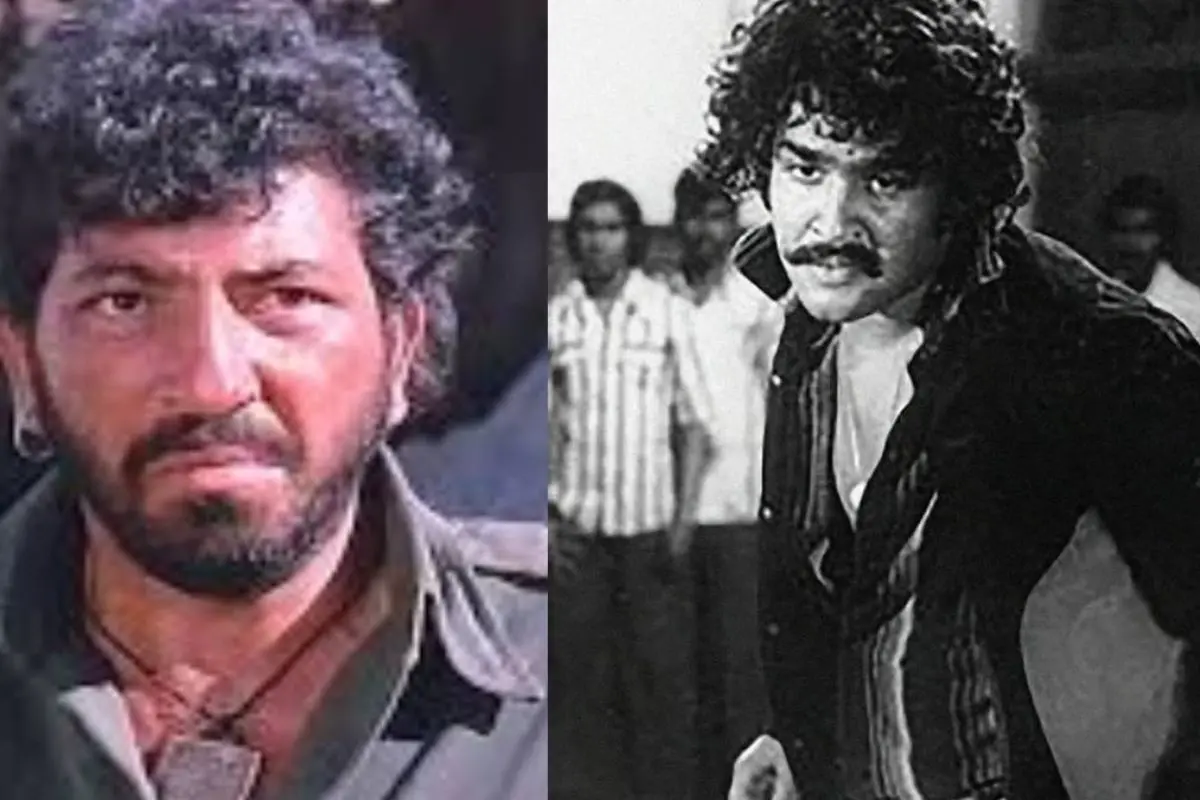
In an interview with The New Indian Express marking the 45th anniversary of Manjil Virinja Pookkal, director Fazil revisits the making of the film that dramatically reshaped Malayalam cinema. One of the most significant revelations from the conversation revolves around the casting of a young, unknown Mohanlal, whose performance as Narendran would go on to redefine the idea of a villain in Malayalam films and mark the beginning of an iconic acting career.
At the time, the film industry was dominated by established stars like Prem Nazir and Madhu. But Fazil, then a debutant director, envisioned a film with newcomers. This wasn’t just due to budget constraints—it was a deliberate creative choice. Fazil believed that fresh faces brought a sense of authenticity and freedom from audience expectations. Established stars, he felt, would have carried the baggage of their previous roles, possibly causing viewers to question or reject the film’s unconventional plot.
When it came to casting the antagonist Narendran, the team was inspired by the success of the Bollywood film Sholay, particularly Amjad Khan’s portrayal of Gabbar Singh. Fazil noted that Khan’s curly hair and unorthodox presence defied the conventional image of a villain—and made it memorable. This mindset helped shape what they were looking for in their own antagonist.
During auditions, a young man walked in carrying a ladies’ umbrella. This striking image instantly caught the attention of Fazil and Jijo Punnoose (Appachan’s son and a creative collaborator). There was something distinctly different about him—not just in appearance but in energy and demeanour. Fazil recalls how both he and Jijo were struck by the boy’s screen potential and awarded him scores above 90 during the audition. Interestingly, the rest of the team didn’t share the same enthusiasm, largely because they didn’t have the Gabbar Singh reference in mind. But Fazil stood firm in his choice.
Fazil then took time to personally interview the young man and came away convinced of his raw talent and adaptability. That young man was Mohanlal. What made a significant difference, Fazil believes, was Mohanlal’s exposure to the filmmaking process before he ever stepped in front of the camera. Because the film was being shot in sequence and Mohanlal’s character only appeared at the halfway mark, he ended up spending 18 full days on set without shooting a single scene.
Instead of being idle, Mohanlal observed. He watched how Shankar and Poornima—both newcomers like himself—struggled initially but gradually improved. He learned not just about acting, but about how to perform for the camera, how to stay relaxed yet focused, and how to absorb direction. Fazil says this period served as a silent training ground for Mohanlal. By the time his scenes arrived, he was more than ready. The growth he showed in that brief window was evident—and it laid the foundation for the natural, effortless style he would become known for in Indian cinema.
Fazil recalls that Mohanlal displayed an innate understanding of the medium. He could read a scene’s emotional tone and adjust his performance without any overacting—a rare quality, especially in someone completely new to acting. He was versatile, quick to learn, and comfortable in front of the camera—traits that remain his signature even today.
Ultimately, it was this combination of instinctive talent, sharp observation, and sheer dedication that made Mohanlal the perfect fit for the role of Narendran. Fazil admits that if the film hadn’t succeeded, both his name and Mohanlal’s might have remained unknown. But history had other plans, and the small film with no big stars ended up launching one of the most celebrated careers in Indian cinema.