Sangeet Natak Akademi Puraskar recipient Shashidharan Nair: 'Gen Z still values traditional arts’
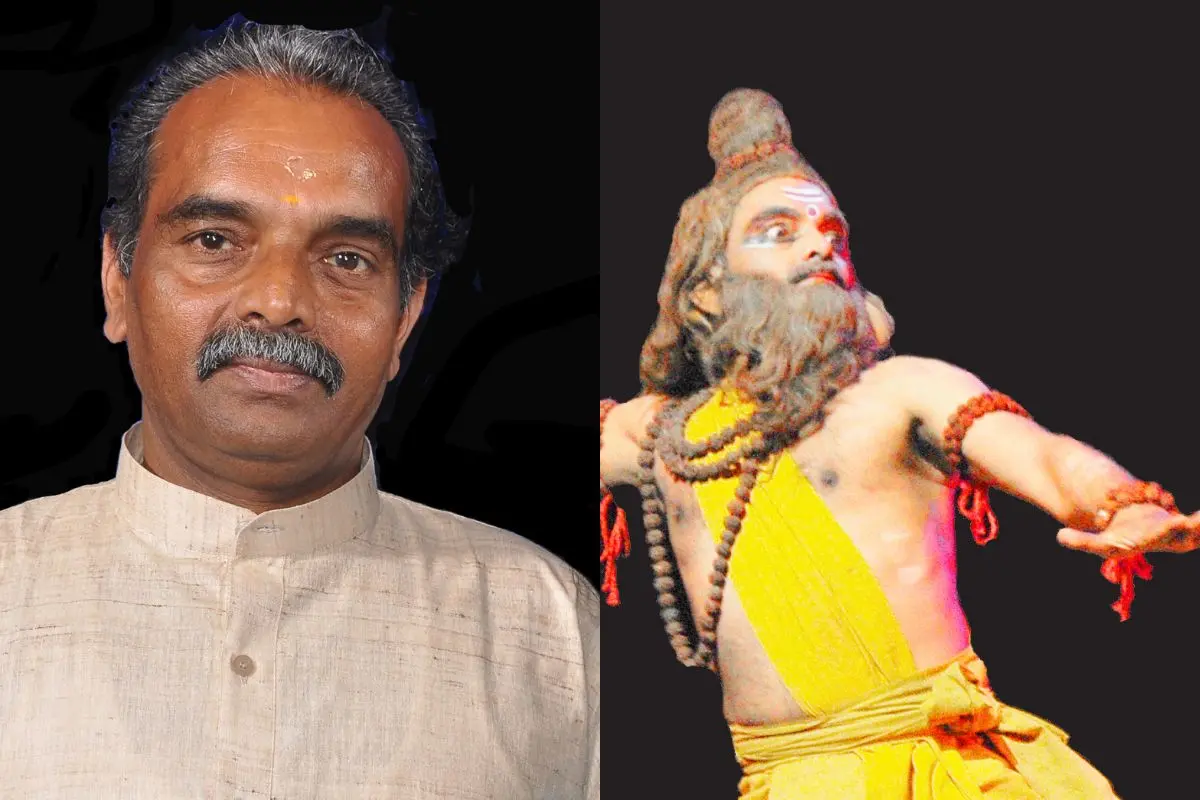
Guru Shashidharan Nair, one of Kerala's foremost Kathakali exponents and choreographers, was conferred the Sangeet Natak Akademi Award (Akademi Puraskar) 2024 in the field of Creative & Experimental Dance on June 10. Born in Kerala in 1954, he began learning Kathakali at the age of nine before training in Mayurbhanj Chhau, Kalaripayattu, and the creative dance style pioneered by Uday Shankar. Across a career spanning more than six decades, he has choreographed acclaimed productions, mentored generations of dancers, and worked extensively to preserve and promote Indian classical arts.
In an interview with Mathrubhumi, the veteran artiste speaks about the significance of the award, his artistic journey, and the future of India's classical dance traditions.
Excerpts:
Q. The Sangeet Natak Akademi Award is among India's highest honours in the performing arts. What does it mean to you after more than six decades in dance?
A: 'The Sangeet Natak Akademi Award is indeed one of the highest recognitions for a performing artist in India, and I am deeply honoured to have been selected for it. After more than six decades in dance, it feels like reaching an important milestone in life. I see this recognition as an acknowledgement of the years of rigorous training, sweat, toil, and the works I have created. It motivates me to continue creating meaningful productions, mentoring younger artists, preserving and promoting our rich artistic traditions, and exploring new possibilities in dance.'
Q. You entered a Kathakali gurukul at the age of nine. What lessons from those years continue to shape you today?
A: 'Entering the Kathakali gurukul at the age of nine was a life-changing experience. The rigorous training, discipline, and dedication demanded by the guru, whose wrath and stick we were scared of, shaped me. The lessons I learned there continue to guide me every day. The training taught me that excellence can only be achieved through consistent practice, patience, and hard work. As a teacher, I try to pass on these values to my students. The gurukul taught me that learning is a lifelong process.'
Q. You have trained in Kathakali, Chhau, Kalaripayattu, and other traditions. How have they influenced your work?
A: 'My training in diverse dance forms such as Kathakali, Mayurbhanj Chhau, Creative Dance style pioneered by Uday Shankar, Kalaripayattu, and Traditional Dance forms of India has enriched me immensely and shaped my artistic vision in unique ways. Together, these forms broadened my understanding of movement, storytelling, and stagecraft, enabling me to create original choreographies with a wider range of physical, visual, and dramatic possibilities.'
Q. Classical arts are often said to be at a crossroads in today's digital world. Are you optimistic about the future?
A: 'Traditional and classical dance forms require years of rigorous training, discipline, and sustained commitment. However, I remain optimistic. India's classical and traditional dance forms have survived for centuries because of their artistic richness, cultural relevance, and ability to evolve with changing times. The new generation of parents is culturally aware and is sending their children to learn some form of Indian dance. As long as there are committed practitioners and appreciative audiences, these art forms will continue to thrive.'
Q. Has your relationship with awards changed over the years?
A: 'Recognition and awards were never my goal; they are by-products of years of sincere effort, perseverance, and commitment. At this stage of my career, honours such as the Sangeet Natak Akademi Award are deeply humbling. They bring a sense of gratitude and also a greater responsibility to preserve, promote, and pass on our rich artistic traditions to future generations. The real journey remains the same: To continue learning, creating, and serving the art with sincerity.'
Q. What more should be done to support India's performing artists?
A: 'I would like to see a stronger and more sustained support system for artists through regular performance opportunities, timely payments and financial security for artists, more transparency in arts management and governance, nurturing of genuine talents, and an unbiased selection process. If artists are provided with adequate platforms, institutional support, and respect for their work, it will help preserve and strengthen these traditions for future generations.'
Q. Do you think Kerala's School Kalolsavam still inspires young people to embrace traditional arts?
A: Kerala's School Kalolsavam has played a remarkable role in introducing generations of young people to traditional art forms. I have myself participated in these for Kathakali and Panchavadyam and secured an A grade. While Gen Z is undoubtedly exposed to a vast range of contemporary and global dance styles through digital media, I do not think their interest in traditional arts has diminished. Some students certainly participate for marks, certificates, recognition, or opportunities that can help them academically. However, I have also seen many students who begin with the goal of winning and gradually develop a genuine love and respect for the art form through the process of training, discipline, and performance. Ultimately, the greatest success of Kalolsavam is not the prizes it awards but the lifelong connection it creates between young people and the arts.'