Smoking Does Not Just Harm Health, It Hits Your Insurance Too
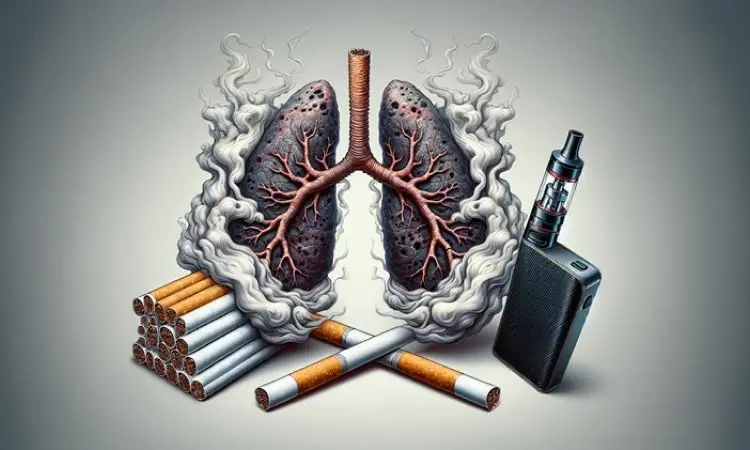
Smoking not only damages your health but also affects your insurance in many ways. As a smoker, you face higher premiums due to increased health risks like cardiac disease and cancer, sometimes up to 40-60% more than non-smokers. Insurance companies often require extensive medical tests before approving coverage, including nicotine level checks. Not only that, when it comes to smokers, claim disputes are more common, especially when health issues could be related to tobacco use. Additionally, if your health worsens during the policy, loading charges may apply. It is crucial to quit smoking to lower these risks and improve your overall health and insurance prospects.
What do you do when you smoke? You inhale smoke from burning plant material wrapped in paper. Cigarettes are made of dried tobacco that undergoes processing. Many smokers believe that smoking releases chemicals like nicotine into the brain, which can help them feel relaxed, energised, and focused on tasks. But is this true? To answer this, we will discuss the health drawbacks of smoking and then highlight its impact on individual health insurance.
Consequences of Smoking on Your Body
If you smoke, over time, you may encounter conditions such as inflammation in arteries, a weakened immune system, and, in rare cases, vision loss due to smoke damaging retinal pigment epithelial cells. Additional consequences are detailed below.
• DNA Mutations
Smoking introduces carcinogens into the bloodstream, which then bind to DNA and form bulky adducts. These adducts obstruct the body’s natural DNA repair systems. Over time, this increases mutation rates in genes, leading to cancer development not only in the lungs but also in the bladder, pancreas, and cervix.
• Alter Gut Microbiota
Cigarette smoke changes the ratio of gut bacteria, like Lactobacillus. This microbial imbalance can lead to digestive disorders, increased intestinal permeability, and inflammatory bowel diseases, such as Crohn’s disease.
• Impairs Bone Healing
The nicotine content in cigarettes reduces blood supply to bones and impairs osteoblast activity, which are the cells responsible for new bone formation. This slows down the bone repair process, resulting in a slower recovery from fractures.
• Reduces Fertility
If you are a woman who smokes often, this habit can reduce ovarian reserve and damage the DNA in eggs. As a result, you may find it hard to conceive, and if conception occurs, there is always a risk of miscarriage. For men, regular smoking decreases sperm count, reduces motility, and causes DNA fragmentation in sperm cells, potentially leading to infertility.
• Accelerates Skin Ageing
Smoking triggers the breakdown of collagen and elastin in the skin, a process driven by enzymes called matrix metalloproteinases (MMPs). In simple terms, smoking leads to premature wrinkling, sagging, and dullness. It also results in reduced oxygen supply to skin cells, further contributing to slower regeneration and repair, making the skin more prone to damage.
• Alters Brain Structure
Multiple MRI studies suggest that chronic smoking is linked with thinning of the cerebral cortex, especially in regions responsible for memory and decision-making. The toxins in cigarette smoke accelerate brain ageing, reduce neuroplasticity, and increase the risk of cognitive decline, dementia, and depression over time.
Impact of Smoking Habit on Health Insurance
If you are a smoker seeking to buy health insurance online, you may encounter multiple challenges, a few of which are detailed below:
• Higher Premium Rates
When you purchase medical coverage, the insurer assesses the risk. Smokers statistically face an increased risk of chronic ailments, such as cardiac disease, stroke, and cancer. This increased risk translates into substantially higher premium rates, sometimes up to 40-60% more than for non-smokers.
These high premiums not only apply to health insurance but also to life insurance.
• Mandatory Medical Tests
Unlike non-smokers, who generally receive policies without extensive screening, smokers are required to undergo thorough medical examinations before policy approval. This includes ECGs, lung function tests, or blood reports to detect nicotine levels and assess organ health. If the report shows negative results, your insurer will either decline the coverage or impose multiple restrictions.
• Claim Disputes
You can find smokers facing claim disputes more often, not due to insurer bias but because of the increased complexity in proving that a condition was unrelated to tobacco use. For example, if, as a smoker, you file a claim for an unrelated surgery, you may still be asked to undergo nicotine testing if there are overlapping symptoms.
• Loading Charges on Renewals
If, as a smoker, your health deteriorates during the policy term and you contract new illnesses such as bronchitis or early-stage cancer, your insurers may impose loading charges at the time of renewal. These charges are not standard across all cases and are calculated based on a fresh underwriting review.
• Mandatory Declarations
Smoking status is now a standard and mandatory disclosure field in every health insurance application. Applicants are asked to provide details such as duration, type (cigarette, bidi, or vaping), and frequency. Omitting or falsely stating this can lead to future claim denial under Section 45 of the Insurance Act of 1938. Some insurers also consider vaping or occasional smoking under the smoking category, not just chain smoking.
Conclusion
Smoking not only ruins your health but also affects insurance costs and coverage. As a smoker, you not only face higher premiums but also need to undergo mandatory medical tests. Depending on your deteriorating health condition, you may encounter potential claim disputes and renewal loading charges.
Take a step today to quit smoking and improve your overall health.
Disclaimer: The above information is for illustrative purposes only. For more details, please refer to the policy wordings and prospectus before concluding the sales.