How Long-Distance Motorcycle Travel is Changing the Way Riders Prepare for the Unexpected
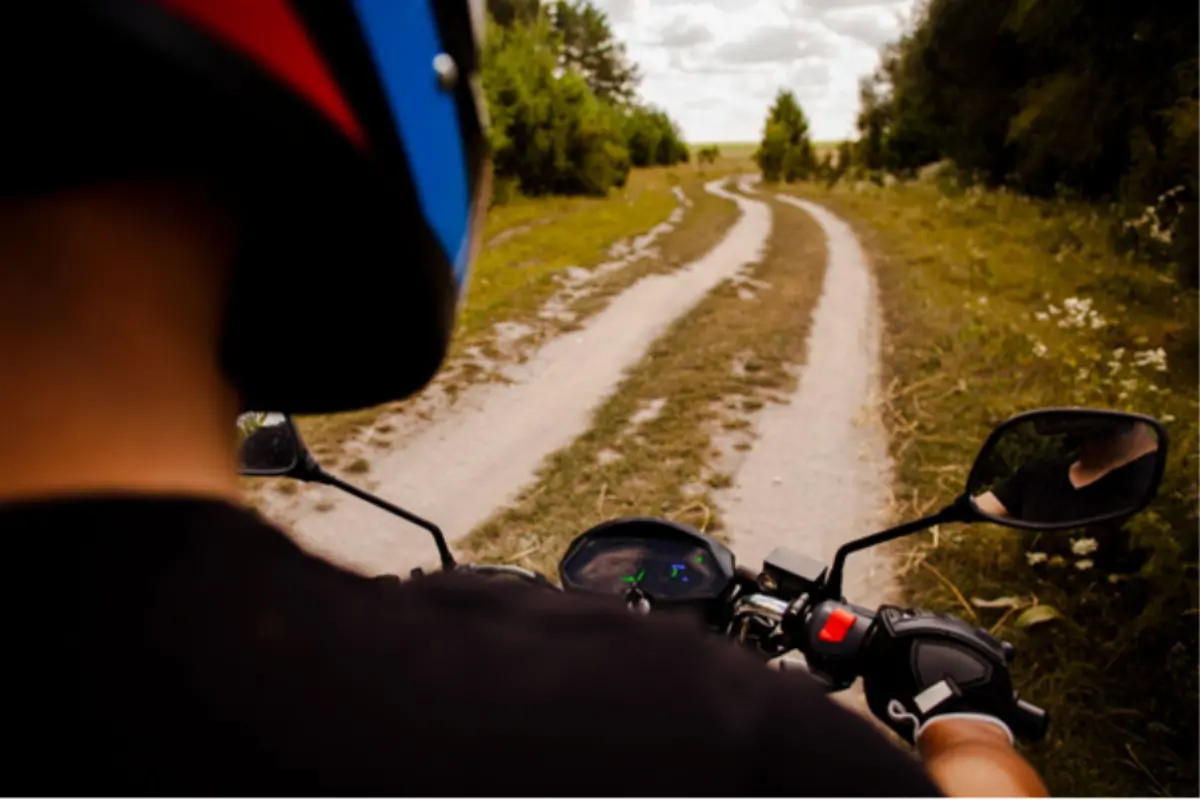
Long-distance motorcycle touring in India has grown significantly over the past few years. Routes like Leh-Ladakh, Spiti Valley, and the Rajasthan circuit that were once attempted by a small number of experienced riders are now being planned and completed by a much wider community. With that growth has come a shift in how riders prepare for everything that can go wrong along the way. This article covers how preparation for long-distance motorcycle travel has evolved, and what a well-prepared rider looks like today.
Why Long-Distance Motorcycle Touring Has Become More Popular Among Indian Riders
Several factors have come together to make long-distance motorcycle touring more accessible than it was a decade ago. Bikes like the Royal Enfield Himalayan 450, Hero XPulse, and Bajaj Dominar have put capable touring motorcycles within a more accessible price range. At the same time, YouTube route documentation and organised group tours have taken a lot of the uncertainty out of heading somewhere unfamiliar for the first time. And a growing appetite for experiences over possessions among younger riders has made a Ladakh or Spiti trip a genuine aspiration rather than a fantasy.
As per Dream Riders, motorcycle tours in India now attract riders from over 40 countries, with routes spanning Ladakh, Spiti, Rajasthan, and the northeast. The infrastructure around touring- guided operators, support vehicles, permit assistance, and route documentation, has matured alongside the demand. More riders on more routes has also meant a larger community of experienced tourers to learn from, which has raised the overall standard of preparation across the community.
How Rider Preparation Has Evolved Beyond Basic Bike Checks
A few years ago, preparation for a long-distance motorcycle trip largely meant servicing the bike, packing some tools, and mapping the route. That baseline has shifted considerably.
Today's long-distance rider approaches preparation as a multi-layered exercise. The bike service is still the starting point, but it now sits alongside medical preparation, emergency contact protocols, insurance verification, weather contingency planning, and digital backups of all documents. Riders heading to high-altitude routes like Leh or Spiti also factor in acclimatisation schedules, oxygen availability, and altitude sickness awareness.
The Department of Tourism's guidelines for motorcycle tour operators require trip leaders to carry first aid and CPR certification, keep emergency action plans for each itinerary, and have a trained mechanic available throughout the journey. These standards, originally designed for commercial operators, reflect what experienced independent riders have already adopted as personal practice.
What Modern Riders Research Before Starting a Multi-Day Journey
The research phase of a long-distance trip has become significantly more thorough. Riders now routinely investigate:
- Route conditions: Road surface quality, pass opening dates, fuel station locations, and known hazard zones, particularly for Himalayan routes where conditions change seasonally
- Medical facilities: Location of the nearest hospitals and clinics along the route, and which facilities offer cashless treatment if an emergency occurs
- Weather patterns: Historical weather data for the planned travel window, and real-time weather sources to monitor in the days before departure
- Permit requirements: Inner line permits for restricted areas like Ladakh and parts of the northeast, which require advance application and carry specific entry conditions
- Fuel availability: Gaps between fuel stations on remote routes, particularly in Spiti and Zanskar, where carrying extra fuel is not optional
Why Emergency Planning is Now a Standard Part of Motorcycle Touring
The most experienced tourers approach every multi-day trip with a clear answer to one question: what happens if something goes wrong? That question covers mechanical failure, injury, weather disruption, and getting separated from a group, and prepared riders have a response for each.
Experienced riders increasingly treat emergency planning as a routine part of trip preparation. Before departure, many put in place safeguards such as:
- A shared route plan with at least one person back home who knows the daily schedule and has emergency contact numbers
- Agreed check-in protocols- a daily message or call that, if missed, triggers a welfare check
- Identification of the nearest hospital or medical facility at each overnight stop
- Knowledge of the bike's roadside assistance coverage and the insurer's emergency helpline number
- A contingency fund (separate from the trip budget) for unplanned expenses like towing, medical treatment, or an unscheduled overnight stay
How Riders Are Using Technology to Handle Unpredictable Situations on the Road
Technology has become a practical tool for managing uncertainty on long-distance rides. GPS navigation apps with offline map capability allow riders to navigate without depending on a signal. Apps like Zello enable push-to-talk communication within a group when phone calls are impractical while riding.
Riders on solo routes through remote areas increasingly carry satellite communicators. These devices send location data and emergency alerts via satellite rather than mobile networks. On remote mountain routes where mobile connectivity drops entirely for long stretches, a satellite communicator is the only reliable way to send an emergency signal.
On the planning side, rider communities on platforms like Instagram and dedicated touring forums provide real-time route condition updates, weather alerts, and reports of road closures or landslides.
What Experienced Tourers Pack for Mechanical, Medical and Weather-Related Emergencies
Experienced long-distance riders pack with a clear distinction between what they hope to use and what they hope never to need. The emergency kit is the second category.
Mechanical:
- Puncture repair kit and tyre levers
- Spare tubes for tubeless tyre failures in remote areas
- Basic tool kit matched to the bike's fasteners
- Zip ties, duct tape, and wire, for field repairs that are not textbook but get the bike to the next town
- Spare clutch and brake levers, among the most commonly broken components in a fall
Medical:
- Basic first aid kit including wound dressings, antiseptic, and pain relief
- Altitude sickness medication for high-altitude routes, which should be discussed with a doctor before the trip
- Pulse oximeter for monitoring blood oxygen levels above 10,000 feet
- Personal prescription medications in adequate supply, with copies of prescriptions
Weather:
- Waterproof riding gear or packable rain covers for jacket and luggage
- Thermal underlayers for high-altitude temperature drops that can occur even in summer
- Balaclava and waterproof gloves for passes where temperatures fall significantly below what valley conditions suggest
How Riders Prepare for Situations They Cannot Fully Control
No amount of preparation eliminates every risk on a long-distance motorcycle tour. Weather changes without warning. Roads that were passable yesterday are blocked today. A mechanical failure can occur on a bike that was fully serviced before departure. The difference between a prepared rider and an unprepared one is whether the rider has the financial and logistical resources to handle them when they do.
Some situations remain beyond a rider's control, regardless of experience or preparation. Sudden landslides, unexpected weather changes, theft at an overnight stop, or accidental damage on unfamiliar terrain can disrupt even a carefully planned journey. Because of this, experienced tourers increasingly prepare not only with tools and backup plans, but also with financial protection that can help reduce the burden of unexpected expenses. This is where a bike insurance coverage becomes valuable, helping riders manage costs arising from damage, theft, or other covered incidents during their travels.
How Long-Distance Riders Prepare for Breakdowns, Accidents and Liability Concerns
A breakdown 200 kilometres from the nearest town, an accident on a remote Himalayan pass, or a collision that injures another person- experienced tourers have encountered each of these and planned for them before departure.
For own-vehicle damage, riders verify that their insurance covers the specific routes being ridden and that roadside assistance extends beyond city-concentrated garage networks. Experienced riders also prepare for the possibility of causing damage or injury to another road user and ensure that their mandatory liability coverage remains active throughout the trip.
Ride and Fire points out that a collision on a route like the Kargil-Leh highway can carry serious legal and financial consequences. Third party bike insurance covers injury, death, or property damage caused to another person and is a legal requirement for every motorcycle on Indian roads. On a long-distance tour where you are riding unfamiliar roads every day, checking that this cover is active before you leave is not something to put off.
How Riding Communities Help Travellers Navigate Unexpected Challenges
One of the most practical resources available to long-distance riders in India is the community itself. Riding clubs, touring groups, and online forums have created networks that help riders access route updates, local assistance, and practical advice when challenges arise during a journey.
A rider whose bike breaks down on a remote stretch often has access to a WhatsApp group of tourers who have ridden the same route recently, and who may know the nearest mechanic, the availability of parts, or whether a support vehicle from an operator is passing through.
As per ReiseMoto, effective group ride emergency protocols- designated lead and sweep riders, agreed regroup points, pre-ride briefings, and at least one member with first aid training, have become standard practice for organised group tours in India. These protocols help groups respond more effectively when unexpected situations arise during a journey.
Conclusion
Long-distance motorcycle touring in India has never been more accessible. The riders completing multi-day journeys through the Himalayas, the deserts of Rajasthan, or the forests of the northeast today are not less adventurous than those who rode the same routes a decade ago. They are better prepared. They carry emergency kits, verify their insurance before departure, share their routes with someone back home, and know who to call when something goes wrong.