How to Become a Pilot in India: Training, Career Path and Salary Guide
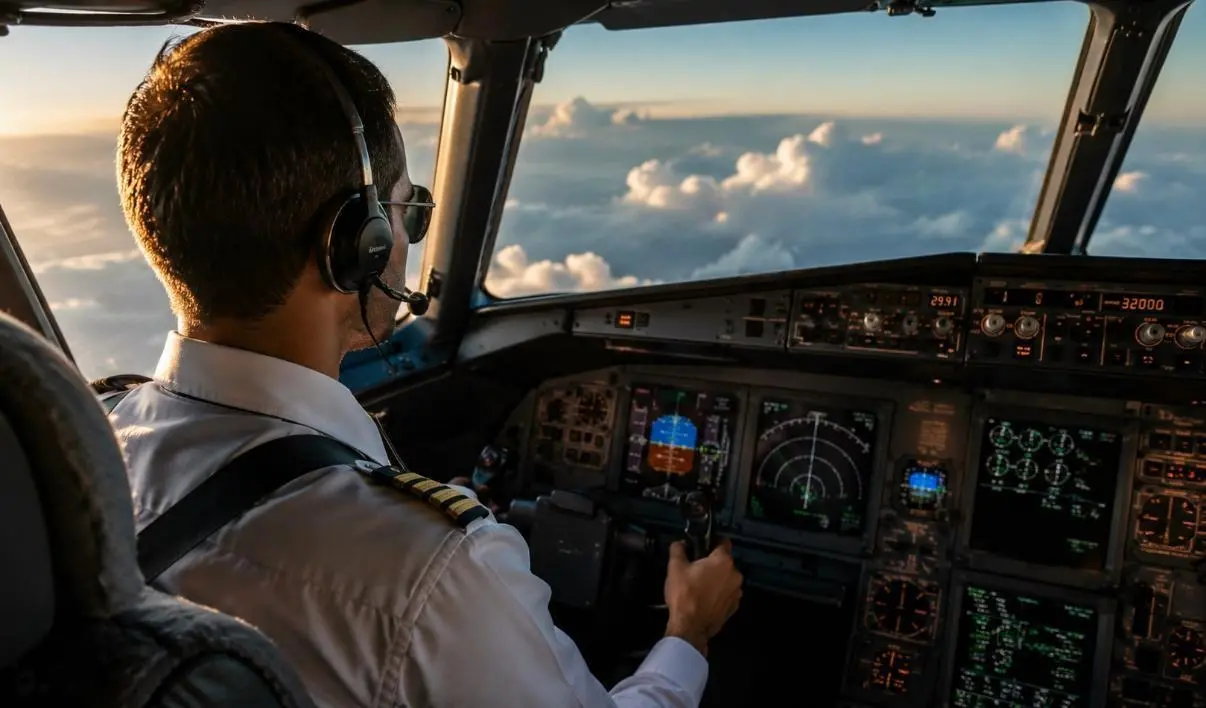
A career as a professional pilot combines technical expertise, responsibility, discipline and the opportunity to work in one of the world's most dynamic industries. For students considering aviation after school, two questions usually come up early: How to become a pilot and what can they expect from a career financially? Understanding the training pathway alongside the pilot salary in India can help aspiring aviators make a more informed decision before beginning their journey.
India's aviation sector is expanding rapidly, with airlines adding aircraft and increasing their domestic and international operations. This growth is creating opportunities for qualified pilots while making professional flight training an increasingly popular career choice.
The First Step: Meeting the Eligibility Requirements
The journey begins with the right academic qualification. To pursue commercial pilot training in India, candidates need to complete 10+2 with Physics and Mathematics from a recognised board. A graduation degree is not mandatory for obtaining a Commercial Pilot Licence, although graduates are also eligible to pursue pilot training.
Students who did not study Physics and Mathematics during Class 12 can complete the required subjects separately through recognised pathways such as NIOS. This means students from different academic backgrounds may still be able to pursue a professional flying career once the required subjects have been completed.
Minimum age requirements and medical fitness are also important considerations when planning pilot training.
Medicals Should Come Early in the Process
Medical certification is one of the most important early stages of the journey. Candidates need to complete the relevant DGCA medical assessments, beginning with a Class 2 Medical and progressing to the Class 1 Medical required for the Commercial Pilot Licence.
Completing medicals early is sensible because it establishes whether a candidate meets the medical standards required for professional flying before significant amounts are invested in training.
For anyone researching how to become a pilot, this is an important practical lesson: the process should not begin with booking expensive flight training. Eligibility and medical suitability should be established first.
Ground Training and DGCA Examinations
Once the initial requirements are in place, aspiring pilots move into theoretical preparation. Ground training covers the knowledge required for professional aviation, including subjects such as Air Regulations, Air Navigation, Meteorology and aircraft-related technical subjects.
DGCA examinations form an important part of the licensing process. Students need to understand both the syllabus and the application of theoretical concepts rather than relying solely on memorisation.
A strong foundation in ground subjects also becomes valuable during flight training, where pilots have to apply their understanding of navigation, weather, aircraft systems and regulations in practical situations.
Moving Into Flight Training
The next major stage is practical flying. Candidates complete their training through an approved Flying Training Organisation and progressively build the flying experience required for a CPL.
The current ThePilot.in guide states that the CPL pathway requires a minimum of 200 flying hours, including requirements involving Pilot-in-Command time, cross-country flying, instrument flying, night operations and multi-engine training.
The actual time required to complete training can vary. Weather, aircraft availability, instructor availability, examination schedules and the student's individual training pace can all influence the timeline. ThePilot.in estimates that the overall CPL journey in India can typically take around 1.5 to 2 years, although individual circumstances may result in shorter or longer timelines.
How Much Does Pilot Training Cost?
Financial planning is an essential part of understanding how to become a pilot. Flight training represents the largest component of the overall investment, but it is not the only expense.
ThePilot.in currently estimates that obtaining a CPL in India typically costs approximately ₹55 lakh to ₹85 lakh, depending on factors such as the flying school, aircraft, location and training pathway. Additional expenses can include ground school, medical examinations, DGCA examinations, multi-engine training, licensing and, where applicable, type rating.
Because training costs can vary considerably, students should evaluate the complete cost rather than comparing only the advertised flying-hour rate.
What Is the Pilot Salary in India?
After completing training and entering professional aviation, earning potential becomes an important consideration. The pilot salary in India varies according to rank, airline, aircraft type, seniority and flying hours.
According to ThePilot.in's current 2026 salary guide, a Junior First Officer can earn approximately ₹90,000 to ₹1 lakh per month. A First Officer typically earns around ₹1.5 lakh to ₹2.5 lakh per month, while a Senior First Officer can earn approximately ₹3 lakh to ₹4 lakh per month. Captains and Senior Captains move into substantially higher salary bands, while Training Captains and senior training roles can reach approximately ₹6 lakh to ₹10 lakh per month.
These figures are approximate CTC figures and can include flying allowances, meaning actual take-home pay can vary.
Why Pilot Salaries Increase With Experience
A pilot's earning potential does not remain fixed after obtaining a CPL. Professional aviation has a structured career progression.
Pilots typically begin their airline careers as Junior First Officers and progress to First Officer and Senior First Officer positions as they accumulate experience and meet the relevant requirements. The major increase in earnings generally comes with command, when a pilot progresses to Captain.
ThePilot.in's current salary guide places Captain, Senior Captain and Trainer compensation at approximately ₹72 lakh to ₹1.2 crore annually, depending on the role and experience.
Salary can also be influenced by aircraft type, airline, flying hours, seniority and additional responsibilities. Flying-hour allowances and layover or per-diem payments can form a meaningful part of total compensation.
What Happens After Getting Your CPL?
Obtaining the Commercial Pilot Licence is a major milestone, but it is not the end of the journey. The next challenge is securing professional employment and building airline experience.
CPL holders can explore airline recruitment, cadet programmes, charter aviation, corporate aviation and flight instruction. Some pilots initially work as flight instructors to build experience and flying hours before moving into airline operations.
For candidates planning an airline career, additional preparation may be required for airline assessments, simulator evaluations, interviews and type-specific training.
Conventional Training or Cadet Programme?
Aspiring pilots can generally consider two broad routes toward an airline career. A conventional pathway allows students to complete their CPL and subsequently apply to airlines and other operators. An airline cadet programme provides a more structured pathway connected to a specific airline, although the selection process and programme requirements vary.
The best option depends on the candidate's career objectives, financial situation, eligibility and preferred approach to airline recruitment.
Building the Right Foundation
The journey from a Class 12 student to an airline pilot involves considerably more than learning to operate an aircraft. It requires regulatory knowledge, medical fitness, theoretical preparation, practical flying skills and professional discipline.
ThePilot.in provides guidance across several stages of this journey, including DGCA ground training, flight-training pathways, airline cadet programme preparation and career counselling. Having a clear roadmap can help aspiring pilots understand the sequence of decisions involved before committing to training.
Final Thoughts
Knowing how to become a pilot is about understanding the entire pathway, from academic eligibility and medical certification to DGCA examinations, flight training, licensing and eventually airline employment. Each stage plays a role in preparing a candidate for professional aviation.
At the same time, understanding the pilot salary in India provides useful context for evaluating the career's long-term potential. While the initial stages require a significant investment of time, effort and money, salaries can increase substantially as pilots gain experience and progress from First Officer to Captain and senior training roles.
For aspiring aviators, the strongest approach is to look beyond simply getting a licence. A successful pilot career is built through informed decisions, consistent training, professional development and a clear understanding of where each stage of the journey can lead.