Common reasons for car insurance claim rejections in India
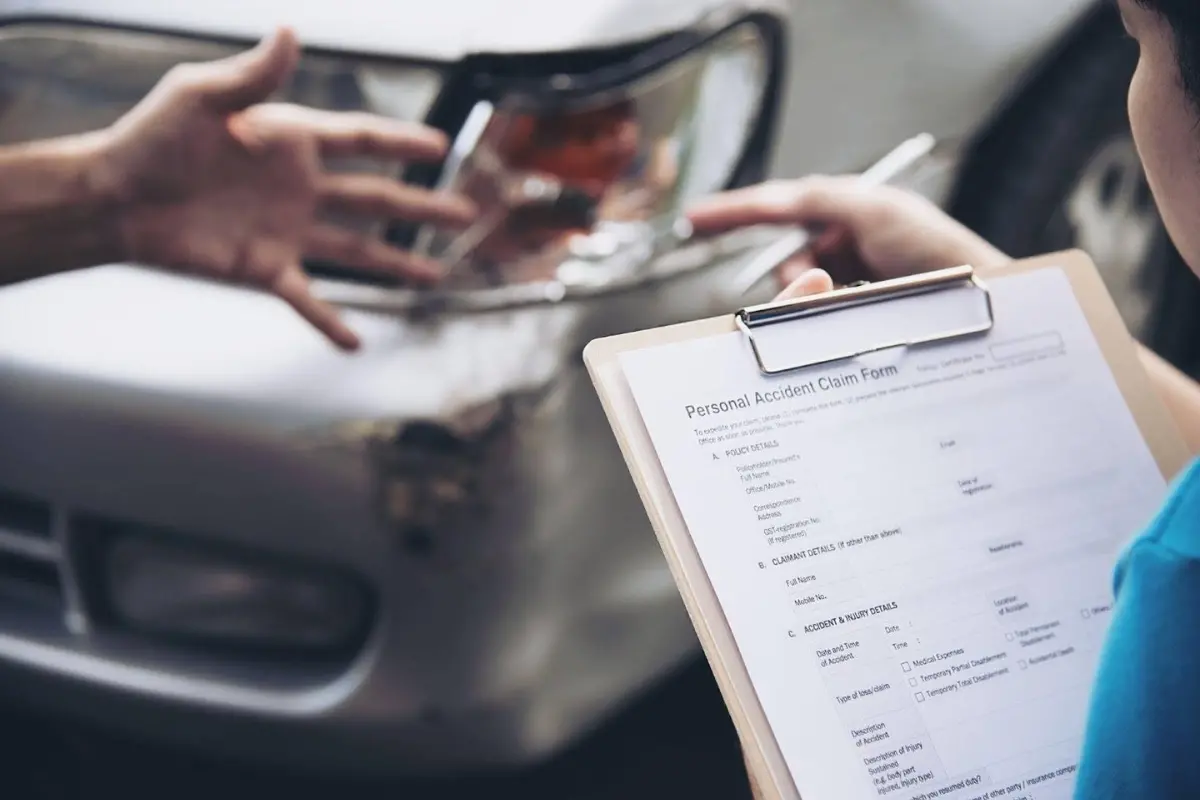
Buying car insurance gives you financial security, but nothing is worse than having a claim denied, especially if it is unanticipated and unsettling. In India, many motor insurance claims are rejected due to unintentional mistakes or a lack of awareness regarding policy terms.
Understanding the typical reasons for claim denials is essential. So when the time comes to claim your motor insurance, the process should be easy and smooth. This guide outlines the key reasons for claim denials and provides policyholders with strategies to prevent them.
10 Common Reasons Your Car Insurance Claims Get Rejected
Car insurance aims to protect you from financial losses due to an accident or damage to your car. However, claims are often denied for a variety of reasons. Understanding these reasons can help you make informed decisions and avoid unnecessary hassle during the claim process. Here are the most common reasons your car insurance claim could be denied:
1. Providing Incorrect or Incomplete Information
Providing false or incomplete information, on purpose or accidentally, can jeopardise your claim. Insurers will read and compare the information you provided on your claim form, statement, and the supporting documents against their records and possibly police reports.
The insurer will treat minor inconsistencies in the timing and nature of the events, location of the accident, description of the vehicle, or your details as an attempt to deceive them and deny your claim in its entirety. It is essential to ensure that every fact, including names, numbers, dates and facts about the accident, remains consistent and accurate at every stage.
2. Driving Without a Valid License at the Time of Accident
A valid and lawful driver's licence for the vehicle is a strict regulatory and policy requirement for approving a claim. When a driver has an expired, suspended, or fake licence, or is driving a vehicle that is not licensed to be driven (for example, heavy vehicles with a regular licence), the insurer will void the claim regardless of who is at fault.
Insurers will verify the validity of the driver's licence. As part of their due diligence in the claims process, insureds should renew their driver's licences promptly and not authorise unlicensed operators of their vehicles.
3. Driving Under the Influence of Alcohol or Drugs
Being involved in an accident while intoxicated from alcohol and/or drugs is an apparent reason for the denial of your claim. Insurers routinely review police FIRs, breathalyser reports, or eyewitness accounts to verify sobriety at the time of the accident.
If there is any substantiated evidence of intoxication, not only will the insurance terms be breached, but intoxication carries criminal liability, which will deny any claim, no matter the injury to third parties or property damage.
4. Delaying the Claim Intimation
It's important to tell your insurer about accidents or theft promptly. Most policies provide a time limit for you to notify them (often between 24 and 72 hours). If you wait too long, the claim may be questioned regarding its legitimacy, making it challenging to prove the causes or amounts of damages, and in some cases, affecting the evidence.
In most insurance cases, if your loss occurred and you were notified late, this creates problems for the insurer's surveying and may raise suspicions of fraud, allowing a refusal to pay, even if the loss is valid.
5. Lack of Required Documentation
Insurers will need a clearly defined suite of documents, including the insurance policy, the registration certificate (RC), the driving license, the police FIR, photographs, and the bills or invoices for the repairs, to validate and execute your claim. Missing, incomplete or incorrect information will slow the process, delay settlements or cause claim rejection.
A missing FIR, inability to verify that the RC details match those submitted in the claim forms, or confusing photos are common reasons. However, most of these problems can be avoided by keeping a checklist of the required documentation.
6. Using the Vehicle for Unauthorised Purposes
If the insured car is used for purposes not covered by the policy, such as taxi service, racing, or any illegal activity, any claims related to that use will be denied. For example, you cannot use a privately insured car for a taxi service or for driving in an illegal rally and expect to be covered.
Insurers investigate the use and context at the time of an incident, and if that context constitutes a breach of the declared use, coverage will be automatically voided.
7. Policy Was Not Active at the Time of the Accident
Your motor insurance protects you only while it is active. If you allow your policy to lapse due to missed renewal or premium payments, you've lost coverage entirely during that period. You'll have no coverage under your original policy, and any incidents that occur before the policy is renewed will be treated as an uninsured event.
This means the insurer will not even consider accident claims in that timeframe. You should set reminders to renew your policy well in advance of expiry.
8. Modifications Not Declared in the Policy
Significant changes to your car, such as high-performance engine modifications, alterations or updates, or new accessories, should always be disclosed to your insurer. These changes can impact the IDV in car insurance, risk level, and premium price.
Undeclared modifications revealed in claim investigations typically lead to claims being denied. To avoid this, it is best to disclose modifications and tell your insurer when you make them, or update your policy or endorsement papers.
9. Repairs Done Without Insurer Approval
Repairing a vehicle before advising the insurer or obtaining their consent breaches the claims process. The insurer typically requires a surveyor to inspect the damage and provide consent for the repairs. Not following this process means that you cannot prove the loss, the amount, or even the reason for the loss.
Unauthorised repairs, considering the circumstances, can affect your claim through deductions, delays in handling your claim or denying the claim altogether. The correct procedure is to wait for inspection/consent before making any repairs.
10. Claiming for Excluded Damages
All car insurance policies will include a list of exclusions: situations, damages, or causes of loss that are not covered by your policy. These generally include standard wear and tear to your vehicle, pre-existing damages, electrical or mechanical failures not caused by an accident, damages from unlawful activity, and war-related losses.
You cannot claim these excluded damages because those exclusions are clearly set out in the policy terms, and the claim will be denied automatically. Ensure you read the fine print regarding coverage limits in your policy.
Car insurance is an essential protection against financial loss, but forgetting details about your policy can lead to unfortunate claims denials. By recognising common errors, such as reporting a claim late, making a claim without informing the insurer of a lost item, or claiming for private car usage for commercial purposes, agreed and contract policyholders can protect themselves. Familiarity with your policy and understanding your obligations can ensure you successfully claim what you hope for.