Kochi’s Aster Medcity introduces India’s first Adaptive Deep Brain Stimulation technology
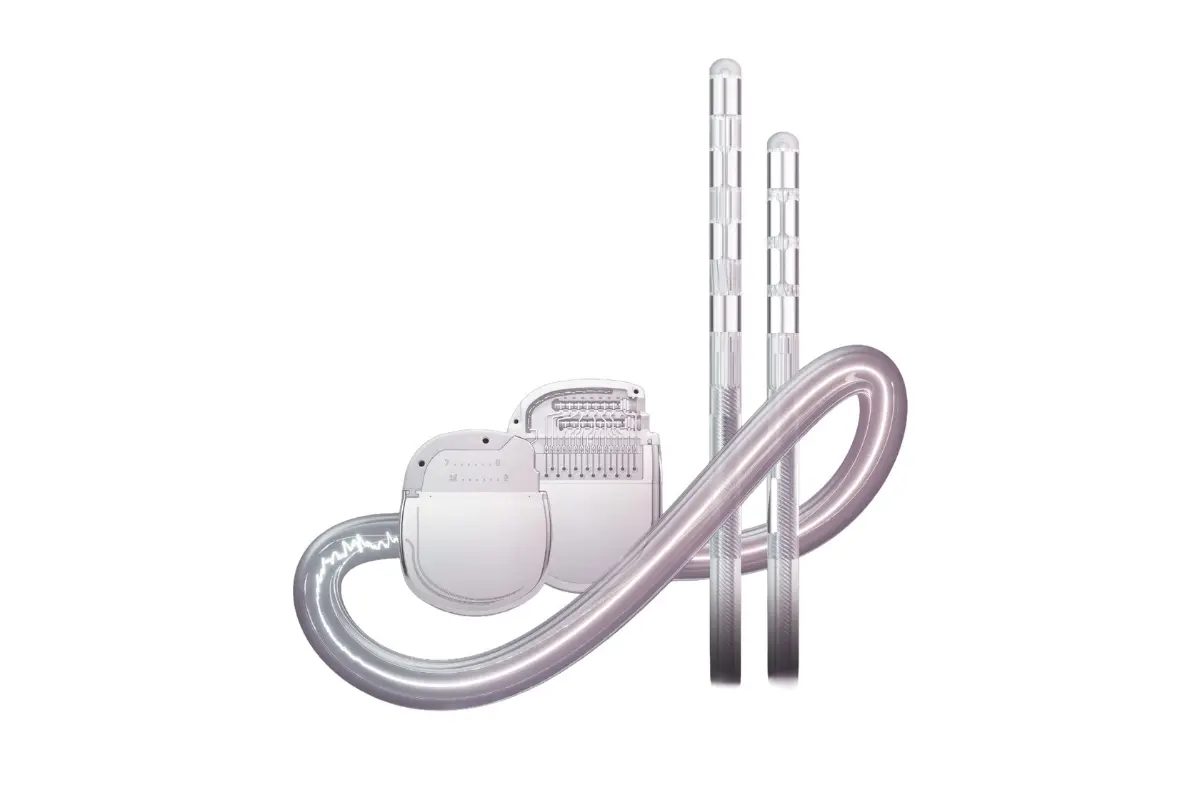
Kochi: Aster Medcity announced the official launch of Adaptive Deep Brain Stimulation (aDBS) at its Parkinson and Movement Disorders Centre on Saturday, marking the first introduction of this "smart" neurological technology in India.
The milestone marks a transformative shift from traditional "fixed" stimulation to a responsive system designed for patients living with advanced Parkinson’s disease.
A "Brain Thermostat" for Parkinson’s
Adaptive DBS is a significant technological advancement that senses real-time brain signals associated with Parkinson’s symptoms and automatically modifies stimulation levels throughout the day and night.
While conventional systems deliver a continuous, unvarying electrical current regardless of a patient's activity, aDBS operates similarly to a "brain thermostat." Within specific dosage limits established by a clinician, the system fine-tunes the current in real time—increasing output as symptoms intensify and decreasing it during periods of improvement or sleep.
Evolution of DBS Therapy
Deep Brain Stimulation (DBS) has long served as a standard treatment for Parkinson’s patients whose tremors, stiffness, and slowness are no longer managed by medication. By sending low-intensity electrical pulses to specific regions deep within the brain, the therapy restores motor control and enhances quality of life.
While more than 200,000 patients globally have received traditional DBS, the technology has historically relied on fixed levels of stimulation that could only be adjusted by a specialist during hospital visits.
“This highly personalised approach ensures that patients receive the exact amount of therapy they need at any given moment without having to make manual adjustments,” said Dr Asha Kishore, Director of the Parkinson's & Movement Disorders Centre at Aster Kerala Cluster.
Clinical Advantages
Recent multinational studies indicate that Adaptive DBS provides several clinical benefits over previous methods. By dynamically adjusting to neural activity, the device can:
- Reduce dyskinesia: Lowering the risk of involuntary movements caused by over-stimulation.
- Increase "On-time": Providing longer durations of effective symptom management.
- Conserve power: Utilise less electrical stimulation overall by reducing output when it is not required.
The launch at Aster Medcity is expected to set a new benchmark for precision-driven neurological care in the region.