Yayoi Kusama, Japan’s iconic ‘polka dot queen’, dies at 97
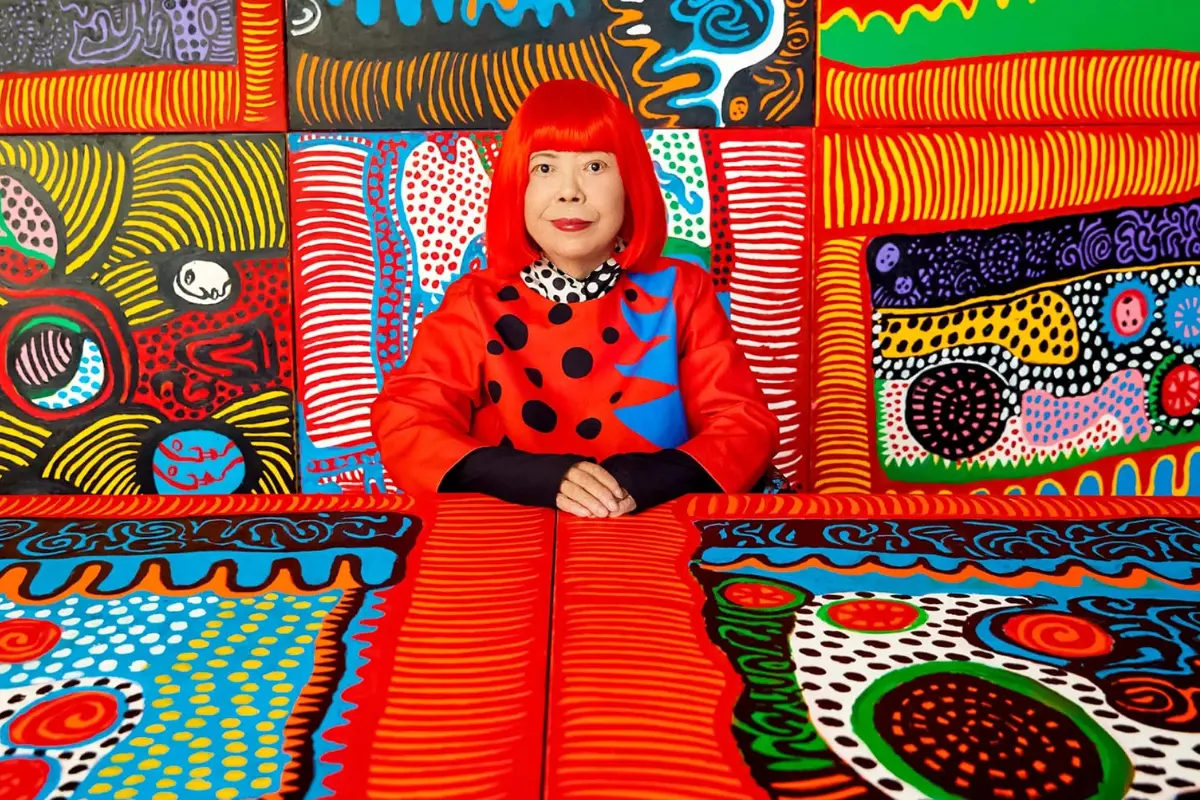
Yayoi Kusama, the Japanese avant-garde artist whose polka dots, pumpkin sculptures and immersive mirror installations became recognised across the world, has died at the age of 97. A foundation established to support the artist said Kusama died of multiple organ failure at a hospital in Tokyo on August 14.
Born in Nagano Prefecture in central Japan, Kusama built a career that spanned more than six decades and took her work from Japan to the United States and back. Her art included paintings, sculptures, installations and performances, with recurring motifs such as polka dots and pumpkins becoming closely associated with her name.
ALSO READ: Tim Curry dies at 80: Remembering the actor who made Frank-N-Furter, Pennywise iconic
Kusama began experiencing hallucinations at a young age, an experience she later incorporated into her artistic practice. After studying painting at an art school in Kyoto, she moved to the United States in 1957 and eventually settled in New York.
During her years in New York, Kusama produced large-scale paintings and soft sculptures while also organising body-painting events and fashion shows. Some of these projects were connected to protests against the Vietnam War and campaigns around social issues.
She returned to Japan in 1973 and continued her artistic career from there. In 1993, she represented Japan at the Venice Biennale. Her work was also exhibited at the Museum of Modern Art in 1998.
Among Kusama's best-known creations were her Infinity Mirror Rooms, a series of installations built around mirrors and repeated reflections that created the impression of endless space. The works later found a new generation of audiences as images and videos from the installations spread widely on social media.
Her other widely recognised works included Pumpkin, the installation on Naoshima in Japan's Seto Inland Sea, and Phantom Flowers at the Matsumoto City Museum of Art.
Kusama also worked with fashion house Louis Vuitton in 2012. The collaboration was revisited in 2023, when the brand installed a humanoid robot modelled on the artist at its Tokyo store.
In 2017, the Yayoi Kusama Museum, dedicated to her work, opened in Tokyo's Shinjuku Ward, close to where she lived.
Often seen in brightly coloured wigs and outfits featuring her signature polka dot patterns, Kusama became one of contemporary art's most widely recognised figures. She was named to TIME magazine's list of the 100 most influential people in the world in 2016, while her works also commanded multimillion-dollar prices at auction.
Despite her age, Kusama continued to create art. Speaking to Kyodo News during an interview at her studio in 2017, she said, “When I am drawing, I get so absorbed that I often forget to have lunch.” She also spoke about getting out of bed in the middle of the night to continue creating.
ALSO READ: Kuku Kohli dies at 77: Katrina Kaif, Vicky Kaushal, Rohit Shetty and others pay last respects
Over the course of her career, Kusama received several international honours, including France's Order of Arts and Letters in 2003 and Japan's Order of the Rising Sun, Gold Rays with Rosette, in 2006.
From her early work in Japan and New York to the mirror rooms and pumpkin installations that introduced her art to audiences across generations, Yayoi Kusama remained active as an artist for decades, leaving behind a body of work defined by some of contemporary art's most recognisable visual motifs.