Still replying to work messages after hours? Experts say that’s a problem
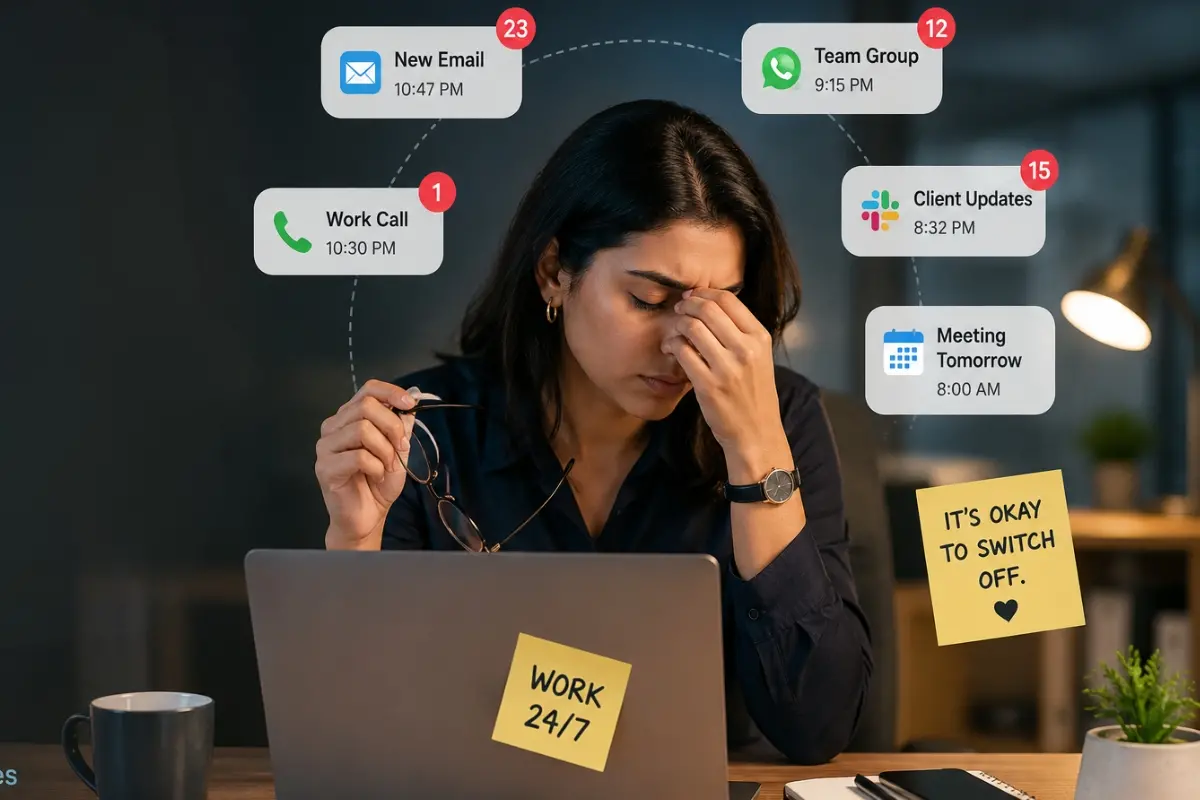
As workplace stress, burnout and digital overload become increasingly common, experts believe healthy work boundaries are no longer a luxury but a necessity.
From protecting mental health to improving productivity, setting limits at work is emerging as one of the most important workplace wellness practices of the modern era.
Additional engaging angles and sub-sections you can add to make the article richer and more newsworthy
The post-pandemic workplace has changed the rules
The conversation around workplace boundaries has gained momentum in the years following the COVID-19 pandemic. Remote and hybrid work models blurred the distinction between office and home, creating an "always-on" culture where employees often felt expected to remain accessible beyond working hours. While flexible work brought advantages, it also extended workdays for many professionals. Experts say boundaries have become increasingly important as organisations attempt to balance flexibility with employee wellbeing.
Burnout is becoming a business problem, not just a personal one
Burnout is no longer viewed solely as an individual mental health issue. Companies are increasingly recognising it as a business challenge that can affect productivity, innovation, employee retention and workplace morale.
Employees experiencing burnout are more likely to take sick leave, disengage from work or seek opportunities elsewhere. For organisations already dealing with talent shortages and rising recruitment costs, preventing burnout has become both a wellness priority and a business necessity.
The rise of "quiet burnout"
Unlike traditional burnout, which often results in visible exhaustion, experts are increasingly warning about "quiet burnout". Employees continue to meet deadlines and attend meetings but gradually lose motivation, enthusiasm and emotional connection to their work.
This phenomenon often goes unnoticed because performance may initially remain stable. However, over time it can lead to declining productivity, lower creativity and increased turnover.
Many workplace experts believe clear boundaries are one of the most effective ways to prevent employees from reaching this stage.
Why younger employees are driving the boundaries conversation
Generational shifts are also changing workplace expectations. Younger professionals increasingly prioritise work-life balance, flexibility and mental wellbeing alongside salary and career progression.
Many employees entering the workforce today are more willing to discuss burnout, decline excessive workloads and seek workplaces that respect personal time. This change is encouraging organisations to rethink traditional workplace cultures that equated long working hours with commitment.
Smartphones, messaging apps and collaboration platforms have improved communication but have also made it harder for employees to disconnect from work.
A late-night email, a weekend message or constant notifications can create pressure to remain engaged even outside working hours. Experts suggest organisations establish clear communication norms to ensure employees do not feel obligated to respond around the clock.
Some global companies have even introduced "right to disconnect" policies that limit after-hours communication.
Boundary-setting can improve performance
Contrary to the belief that boundaries reduce productivity, research increasingly suggests the opposite. Employees who take breaks, disconnect after work and maintain clear personal time often return to work more focused and productive.
Psychologists note that rest is not the opposite of productivity—it is a necessary part of sustaining it. Employees who manage their energy effectively are generally better equipped to handle complex tasks, solve problems and maintain consistent performance.
Experts argue that the true measure of leadership is often revealed during periods of intense pressure. When deadlines become tighter and workloads increase, managers face a choice: push employees harder or provide greater support.
The most effective leaders, experts say, focus on communication, prioritisation and empathy rather than simply increasing demands. Teams are more likely to remain resilient when employees feel trusted, supported and valued.
Workplace wellness is becoming a competitive advantage
As competition for skilled professionals intensifies, workplace culture is emerging as a major factor in recruitment and retention. Companies that actively promote mental wellbeing, flexible working arrangements and healthy boundaries are increasingly viewed as more attractive employers.
Experts predict that organisations that ignore employee wellbeing may struggle to retain talent in the coming years, making workplace wellness not just a human resources issue but a strategic business priority.
Strong closing angle
The debate around work boundaries is no longer about whether employees should switch off after work. It is increasingly about how organisations can create sustainable workplaces where productivity and wellbeing reinforce each other rather than compete. As burnout becomes a growing concern worldwide, healthy boundaries are rapidly evolving from a personal coping strategy into a workplace necessity.
(Disclaimer: This article is intended for informational purposes only and should not be considered professional medical, psychological, legal or workplace advice. Readers experiencing stress, burnout or mental health concerns should consult a qualified healthcare professional or mental health specialist. Workplace policies and practices may vary between organisations and jurisdictions.)