Hair loss, mood swings, fertility troubles: Are you missing the signs of hormonal imbalance?
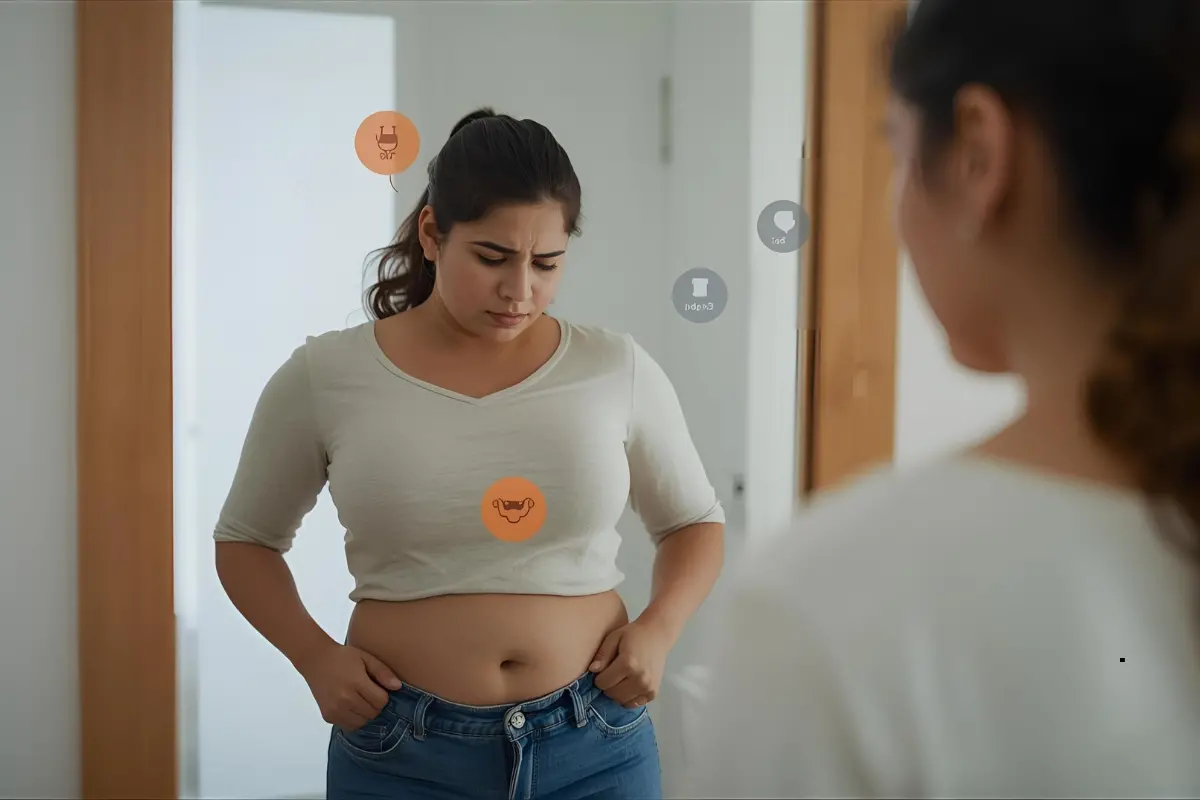
Hormones are the body’s chemical messengers, controlling mood, metabolism, sleep, fertility, and overall well-being. When their balance is disrupted, women may experience a wide range of physical, mental, and emotional symptoms. Yet, in everyday life, these signs are often dismissed or trivialised.
The Social Reality: Casual Comments and Misunderstanding
Many women face casual remarks about their weight, mood swings, skin issues, or fatigue — often framed as jokes or playful observations. Comments like, “You’re overreacting” or “Just eat less, exercise more” minimise the very real struggles women face due to hormonal fluctuations. Such reactions can discourage women from seeking help, making them feel “too sensitive” or embarrassed to discuss their health.
Studies have shown that societal pressure and stigma around women’s health can contribute to stress, which in turn worsens hormonal imbalance (Harvard Health Publishing, 2023; Mayo Clinic Proceedings, 2022). Women often internalise these remarks, which can increase anxiety, lower self-esteem, and even affect social and professional life.
Common Signs Often Overlooked
Unexplained Weight Changes: Sudden gain or loss, especially around the abdomen, may be linked to thyroid dysfunction, insulin resistance, or cortisol imbalance (Endocrine Reviews, 2021). A balanced diet, regular exercise, and stress management can help, but there’s no quick fix.
Irregular Menstrual Cycles: Missed or heavy periods, shorter cycles, or painful cramps may signal PCOS or other hormonal disruptions. Tracking your cycle and seeking timely medical advice can prevent complications.
Mood Swings and Fatigue: Fluctuating estrogen and progesterone levels can cause anxiety, irritability, and persistent tiredness. Mindfulness practices, proper sleep, and moderate physical activity can help regulate these symptoms.
Hair, Skin, and Libido Changes: Thinning hair, acne, facial hair growth, and reduced sexual desire often relate to androgen imbalances. Maintaining a nutrient-rich diet, limiting heat styling, and monitoring symptoms can support better hormone regulation.
Fertility and Sleep Issues: Imbalances in luteinising hormone or progesterone can disrupt ovulation and affect fertility, while also causing insomnia and night sweats. Lifestyle measures like adequate rest, hydration, and stress reduction are crucial.
Lifestyle Tips to Support Hormonal Health
- Balanced Nutrition: Focus on whole foods, lean proteins, healthy fats, and fibre. Limit processed sugars, which can spike insulin levels.
- Regular Physical Activity: Both cardio and strength training improve metabolism, regulate cortisol, and boost mood.
- Stress Management: Techniques like yoga, meditation, deep breathing, or even short walks can lower stress hormones.
- Sleep Hygiene: Maintain a consistent bedtime routine and minimise screen exposure before sleep to support melatonin and cortisol balance.
- Monitor and Track: Keep a simple diary of your weight, periods, mood, and energy levels to detect patterns early.
Why Awareness Matters
A lack of awareness and casual dismissal of symptoms not only delays treatment but can also worsen long-term health outcomes. Hormonal imbalances are linked to conditions like PCOS, thyroid disorders, metabolic syndrome, and infertility (The Lancet, 2023). Recognising early signs and addressing them proactively is essential.
Women should be encouraged to trust their experiences, speak openly about symptoms, and seek medical guidance without shame or fear of judgement. The casual societal mindset of labelling them “too sensitive” undermines real health concerns and prevents timely intervention.
Hormonal imbalance is a real, medically recognised condition that affects millions of women globally. Lifestyle choices, stress management, and awareness are key to early detection and better management. Being dismissive or making jokes about hormonal symptoms can have unintended emotional and physical consequences.
Understanding your body, taking note of changes, and seeking help early is not “being sensitive”—it’s smart self-care.
(Disclaimer: This content is for informational purposes only and is not a substitute for professional medical advice. Always consult a qualified healthcare provider for concerns regarding hormonal imbalance or any medical condition.)