Best foods for period fatigue: What to eat during menstruation
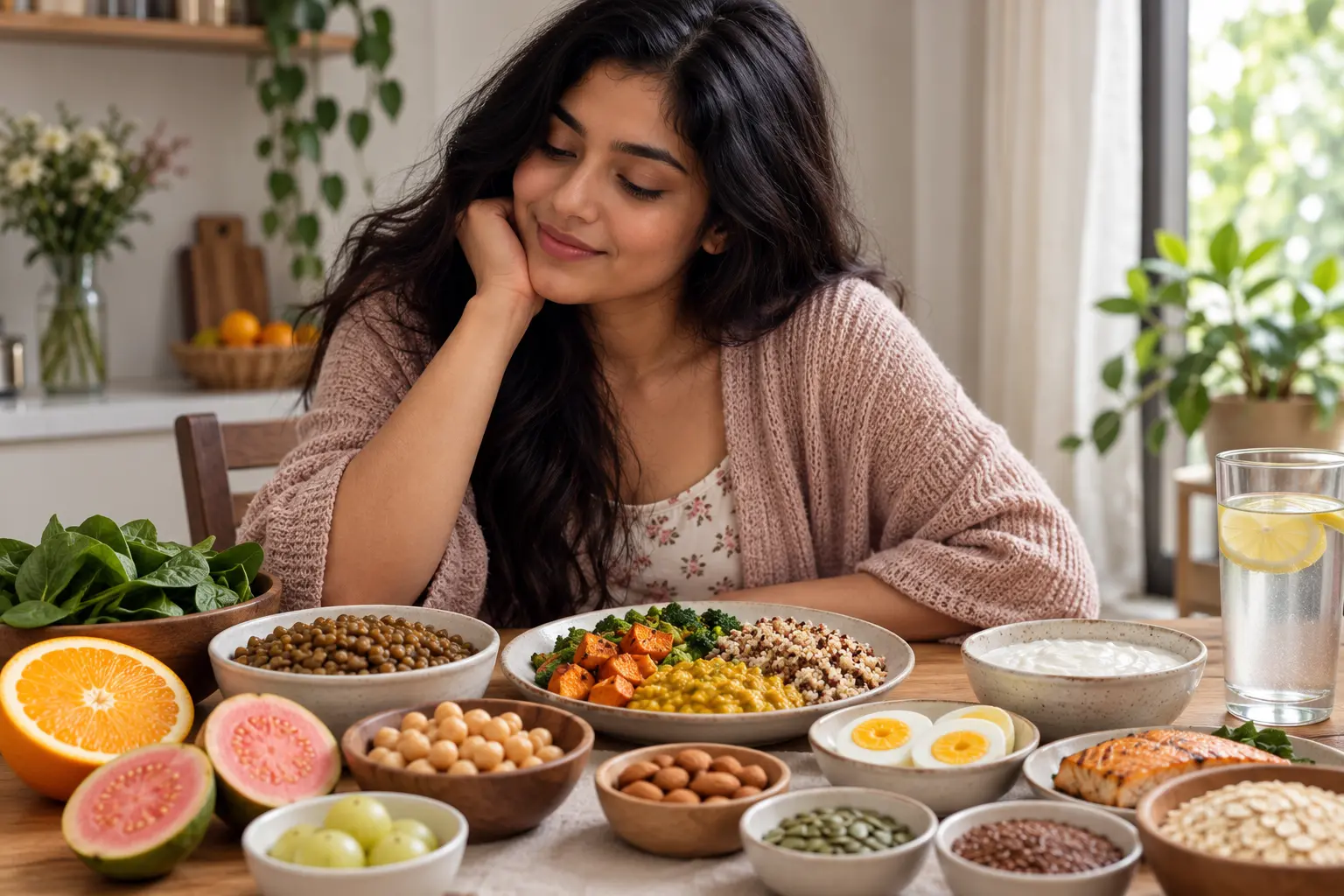
There are days during your period when getting out of bed feels like an achievement. Your body feels heavier than usual, your energy disappears by lunchtime, and even simple tasks seem more tiring than they did a week ago.
If you've experienced this, you're far from alone. Fatigue is one of the most common symptoms during menstruation. While a good night's sleep certainly helps, what you eat can also make a difference.
No single food can make period fatigue disappear overnight, but choosing nutrient-rich foods may help support your energy levels and replace nutrients your body needs during your menstrual cycle.
Here's what experts recommend adding to your plate.
Why do periods make you feel so tired?
Feeling tired during your period isn't just "in your head".
Hormonal changes before and during menstruation can affect your mood, sleep and energy levels. Blood loss also means your body loses iron, especially if you have heavy periods. Over time, this can contribute to low iron stores or iron-deficiency anaemia, both of which can leave you feeling exhausted.
Poor sleep caused by cramps, bloating or discomfort can make matters worse.
This is why nutrition becomes especially important during your period.
Iron-rich food should be your first choice
If there's one nutrient worth paying attention to during menstruation, it's iron.
Iron helps your body produce haemoglobin, the protein in red blood cells that carries oxygen around your body. Low iron levels can leave you feeling weak, dizzy and constantly tired.
Good sources include:
- Spinach
- Amaranth leaves
- Lentils and dals
- Chickpeas
- Rajma
- Black chana
- Lean meat
- Fish
- Eggs
If you eat vegetarian meals, pair these foods with a source of vitamin C to help your body absorb iron more effectively.
Don't forget vitamin C
Vitamin C doesn't directly boost energy, but it plays an important role in helping your body absorb iron from plant-based foods.
Adding foods like oranges, guava, amla, kiwi, tomatoes, capsicum or lemons to your meals can improve iron absorption.
For example, squeeze fresh lemon over dal, enjoy guava as a snack or add tomatoes to your lunch salad.
Small changes like these can make a difference.
Magnesium may help you feel better
Magnesium is involved in hundreds of processes inside the body, including muscle and nerve function. Some studies suggest it may also help reduce menstrual discomfort in certain people.
Foods rich in magnesium include:
- Pumpkin seeds
- Almonds
- Cashews
- Peanuts
- Dark leafy greens
- Oats
Adding a handful of nuts or seeds to your breakfast or evening snack is an easy way to increase your intake.
Choose slow-releasing carbohydrates
When you're tired, sugary snacks may seem tempting. The problem is they often give you a quick burst of energy followed by an equally quick crash. Instead, choose complex carbohydrates that release energy more gradually.
Good options include:
- Oats
- Brown rice
- Whole wheat rotis
- Millets
- Sweet potatoes
- Quinoa
These foods also contain fibre, which helps you feel fuller for longer.
Protein helps keep energy steady
Every meal should ideally include some protein.
Protein slows digestion and helps prevent sudden spikes and crashes in blood sugar, keeping your energy more stable throughout the day.
You can include:
- Eggs
- Paneer
- Greek yoghurt or curd
- Chicken
- Fish
- Tofu
- Soybeans
- Lentils
Even something as simple as curd with lunch or boiled eggs as an evening snack can help.
Stay hydrated, even if you don't feel like it
Many people drink less water during their periods because of bloating. Ironically, dehydration can make tiredness and headaches worse. Keep sipping water through the day. Coconut water, buttermilk and homemade lemon water can also help maintain hydration, particularly during hot weather.
Food rich in healthy fats
Healthy fats help support hormone production and overall wellbeing. Include moderate amounts of:
- Walnuts
- Flaxseeds
- Chia seeds
- Fatty fish like salmon or sardines
- Peanuts
These foods also contain omega-3 fatty acids, which have been studied for their role in reducing inflammation.
Limit foods that leave you feeling worse
You don't have to completely avoid your favourite treats during your period.
But if you're already feeling tired, try not to rely on foods that may leave you feeling sluggish afterwards.
This includes:
Sugary drinks
- Excess sweets
- Highly processed snacks
- Large amounts of alcohol
- Too much caffeine, especially late in the day if it affects your sleep
Lifestyle matters too
Food is only one part of the picture.
Getting enough sleep, staying physically active with gentle movement like walking or yoga, managing stress and listening to your body's need for rest all play an important role in how you feel during your period.
If your fatigue is severe, lasts beyond your menstrual cycle or is accompanied by very heavy bleeding, it's worth speaking to a doctor. In some cases, it could be linked to iron deficiency, anaemia or another underlying health condition that needs treatment.
(Disclaimer: This article is for general informational purposes only and should not replace professional medical advice. If you experience unusual symptoms, consult a qualified healthcare professional for proper evaluation and treatment)