Single, not sorry: why more Indian women are saying no to marriage
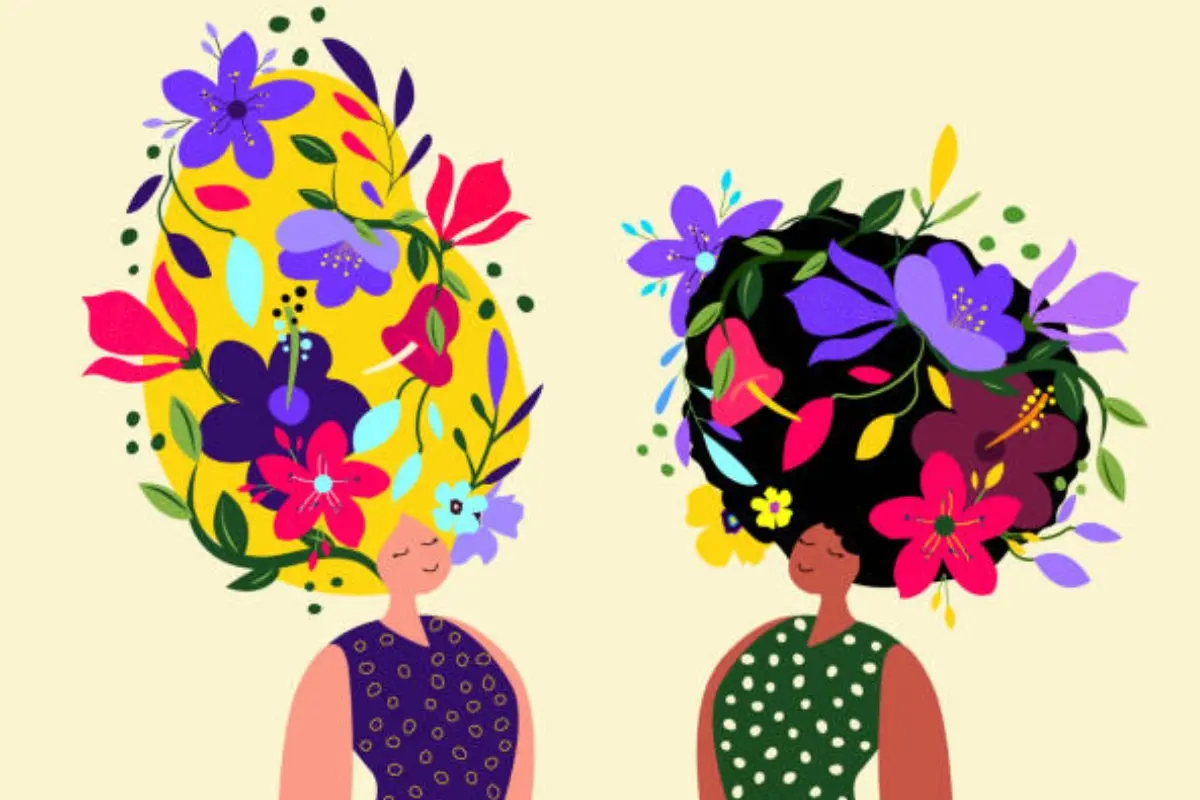
In a country where marriage has long been considered a milestone of adulthood, a growing number of Indian women are redefining success and fulfilment on their own terms—by choosing to stay single.
This shift is particularly visible among urban, educated women over 30, challenging traditional norms and prompting both admiration and anxiety in equal measure.
The rise in singlehood: What the data says
According to the National Family Health Survey (NFHS-5), the proportion of never-married women aged 30-34 rose from 6.3% in 2015-16 to 8.6% in 2019-21. In urban areas, the figure is significantly higher.
Census 2011 showed over 71 million single women in India, a number expected to surpass 100 million in the 2021 Census (though the data is yet to be publicly released). A report by the Centre for Social Research in India also indicated that women are delaying or opting out of marriage due to increased educational attainment and career opportunities.
Why women are opting to remain single
1. Career and financial independence
With more women entering higher education and the workforce, many now prioritise their careers over early marriage. Financial autonomy reduces the traditional economic incentive to marry.
2. Changing social attitudes
Urban societies are gradually becoming more accepting of non-traditional lifestyles. Women feel less pressured to conform to the “marriage by 30” timeline and are finding self-worth outside domestic roles.
3. Avoiding unequal marriages
Many Indian women cite the lack of emotionally and intellectually compatible partners as a reason for staying single. Some also reject marriage due to expectations around unpaid caregiving, loss of autonomy, or relocation for a husband’s career.
4. Mental health and personal fulfilment
The freedom to invest in personal growth, travel, hobbies, and friendships without compromise is increasingly valued. Some women say they feel mentally healthier and more at peace living on their own terms.
The societal backlash and challenges
- Despite growing acceptance, unmarried women in India still face significant stigma:
- Family pressure: Many single women endure constant questioning, emotional coercion, or even threats of being “left behind”.
- Housing discrimination: Unmarried women often face trouble renting apartments in cities due to moral policing.
- Workplace bias: Some employers presume single women will be more available, leading to workload imbalances.
- Social exclusion: Women who do not marry may find themselves excluded from family functions or community gatherings centred around couples or children.
Pros of staying single
- Greater freedom and flexibility in life choices.
- More time and energy to pursue passions, education, or travel.
- Better mental health outcomes for some, especially those who have faced or witnessed dysfunctional marriages.
- Ability to build chosen families and support systems on their own terms.
Cons and concerns
- Loneliness can be a real challenge, especially with ageing.
- Lack of spousal support during illness or emergencies.
- Social security systems in India (like inheritance laws or pension access) often assume marriage and can disadvantage single women.
- Emotional stress from persistent social stigma.
As more Indian women choose singlehood, the need for systemic support grows. Legal reforms around inheritance, better urban housing policies, single-friendly financial products, and mental health services can go a long way in affirming this choice.
This trend isn’t a rejection of marriage entirely—but a rejection of marriages that do not offer mutual respect, equality, or emotional fulfilment. For many Indian women, staying single isn’t a backup plan. It’s a deliberate choice rooted in self-respect, personal freedom, and a redefinition of happiness.