Can dogs, cats eat human food? Here's what's safe and what's not
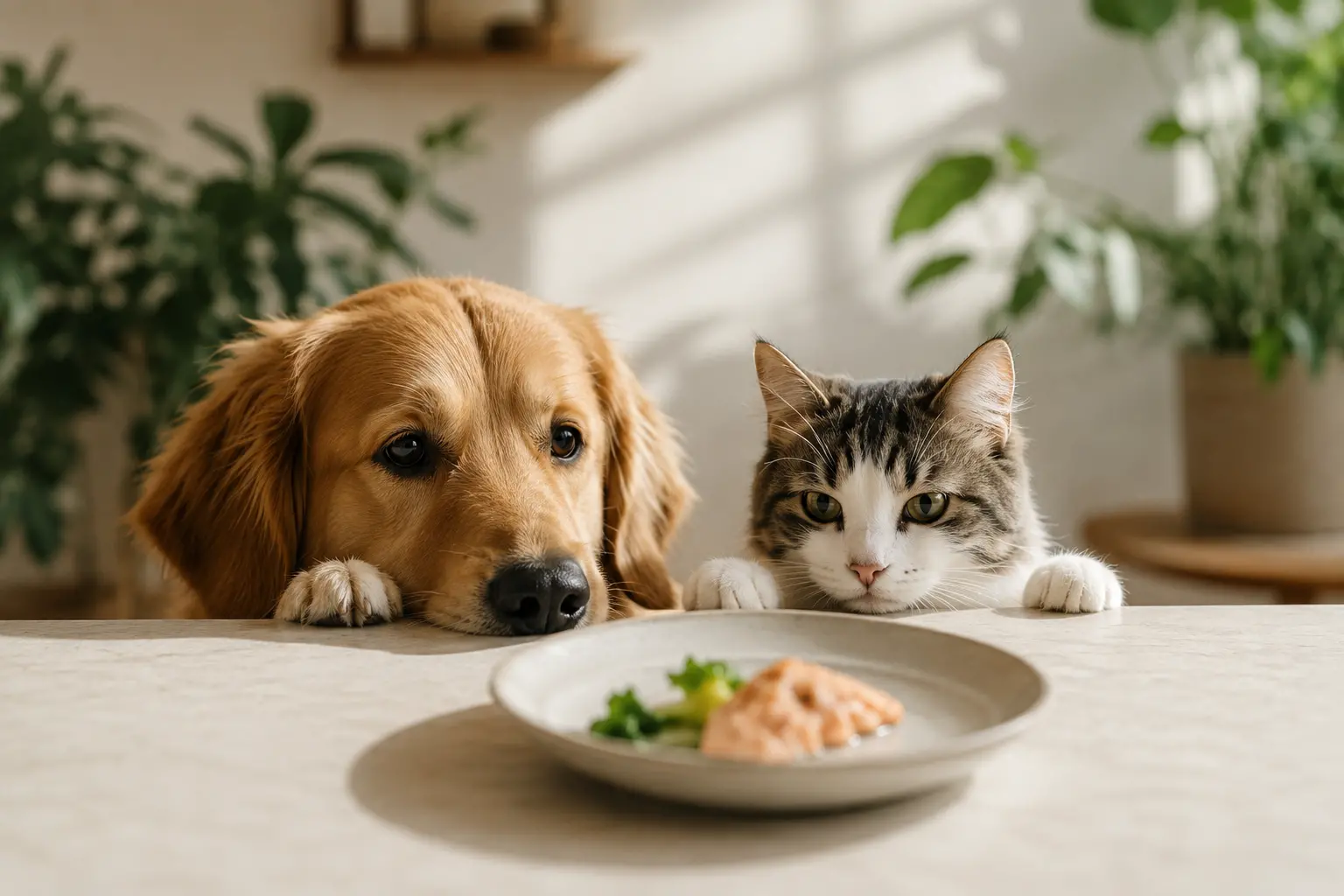
Sharing food is one of the easiest ways we show affection. We save the last piece of dessert for a sibling or offer a friend a bite of our cake. So when a pet looks at us with those hopeful eyes, saying no can feel almost impossible and then you see yourself searching, "Can dogs eat fries?". While some foods from our plates are perfectly safe to share, others can do more harm than we realise.
Pets have different nutritional needs
It can be tempting to think that if a food is healthy for us, it must be healthy for our pets too. That's not always true.
Dogs are omnivores, which means they can eat a variety of animal and plant-based food alongside a balanced commercial diet. Cats, on the other hand, are obligate carnivores. They need nutrients found naturally in animal tissues, such as taurine, and can't rely on vegetables or grains to meet all their nutritional needs. That's why treats from your plate should always be occasional extras, not meal replacements.
Also Read: Ever spent 30 minutes choosing what to watch? There's a reason
The World Small Animal Veterinary Association (WSAVA) and veterinary nutrition experts recommend feeding pets a complete and balanced diet designed for their species and life stage. Human foods should make up only a small portion of their daily calories.
Foods that are generally safe for both dogs and cats
These foods are considered safe when served plain, cooked where necessary, and in small amounts.
Plain cooked chicken
Boiled or grilled chicken with no salt, spices, onion or garlic is a favourite among many pets.
If your dog has an upset stomach, your vet may even recommend plain boiled chicken with rice for a short period. Cats also enjoy cooked chicken because it's rich in protein. Remember to remove the bones.
Cooked eggs
Scrambled or boiled eggs are a nutritious source of protein for healthy dogs and cats. Skip the butter, oil and seasoning. Plain is best.
Pumpkin
Pumpkin is often recommended by veterinarians because it's high in fibre. A spoonful of plain cooked pumpkin can help some dogs with mild constipation or loose stools. Some cats also tolerate it well.
Carrots
Some dogs happily crunch on raw carrots like they're chewing a toy. Cooked carrots are easier for cats to eat. They're low in calories and contain fibre and vitamin A.
Apples
A few slices of apple can make a refreshing treat for dogs. Remove the seeds and core first, as apple seeds contain compounds that can release cyanide when chewed.
Most cats aren't interested in apples, but small amounts of the flesh aren't considered toxic.
Blueberries
Tiny, easy to feed and rich in antioxidants, blueberries are safe for both dogs and cats in moderation. Most cats are simply not interested in fruit.
Plain rice
If you've ever had a pet with an upset stomach, you've probably heard about boiled rice. Plain cooked rice can be useful as part of a temporary bland diet when recommended by a veterinarian. It shouldn't replace a balanced diet in the long term.
What about fish?
Many Indian homes cook fish regularly, so it's a common question. Plain cooked fish like salmon or sardines can be enjoyed by both dogs and cats.
Also Read: Is sleeping with your pet really bad for you?
Make sure it's fully cooked, free of bones and not coated in masala, chilli powder or deep-fried batter.
Foods that are safe only in moderation
Some foods are safe, but only as occasional treats.
Peanut butter
Many dogs love peanut butter. Choose one that contains no xylitol, an artificial sweetener that's extremely toxic to dogs. Also check that it's low in salt and sugar. Cats usually don't care much for it.
Plain yoghurt
Some dogs enjoy a spoonful of plain, unsweetened yoghurt. However, not every dog tolerates dairy well, and many adult cats are lactose intolerant, so it's best offered sparingly, if at all.
Cheese
A tiny cube of plain cheese may be fine for some dogs as an occasional reward. Because cheese is high in fat and many pets struggle to digest lactose, it shouldn't become a daily snack.
Foods you should never share
Some of the most dangerous foods for pets are things we keep in our kitchens every day.
Onions and garlic
Whether raw, cooked, powdered or mixed into curry, onions and garlic can damage red blood cells in dogs and cats and may lead to anaemia.
That means leftovers from last night's chicken curry or biryani can’t be given no matter what.
Chocolate
Chocolate contains theobromine, which dogs can't process effectively. Dark chocolate and baking chocolate are especially dangerous.
Cats are less likely to eat chocolate, but it should still be kept out of reach.
Grapes and raisins
Even small amounts have been linked to sudden kidney failure in some dogs. Researchers still don't fully understand why some dogs are affected while others aren't, which is why veterinarians recommend avoiding them altogether.
Xylitol
Found in some sugar-free chewing gum, sweets, toothpaste and peanut butter, xylitol can cause a rapid drop in blood sugar and severe liver damage in dogs. Always check ingredient labels before sharing anything.
Alcohol and caffeine
Coffee, tea, energy drinks and alcoholic beverages should never be given to pets. Even small amounts can affect their heart, nervous system and overall health.
Cooked bones
It might seem natural to hand over the leftover chicken bone. But don't. Cooked bones can splinter, increasing the risk of choking or causing serious injuries inside the digestive tract.
A very Indian question: Can pets eat rice and chapati?
Small amounts of plain cooked rice can be fine for dogs, and occasionally for cats, but neither should rely on it as a staple.
Chapati isn't toxic, but it also isn't nutritionally complete for pets. A small piece once in a while isn't usually a problem for healthy dogs, but it shouldn't replace balanced pet food. Cats generally have little nutritional need for it.
The safest rule to remember
Before offering your pet a bite from your plate, ask yourself three questions:
- Is it plain?
- Does it contain onion, garlic, chocolate, grapes, raisins or xylitol?
- Is it meant to be an occasional treat rather than a meal?
If you're unsure, it's better to skip it and check with your veterinarian.
(Disclaimer: This article is for general informational purposes only and is not a substitute for medical advice. Every pet has different nutritional needs. If you're unsure whether a food is safe for your dog or cat, consult your veterinarian before offering it)