The viral skincare trend that promises softer, glowier skin by morning: Should you try it?
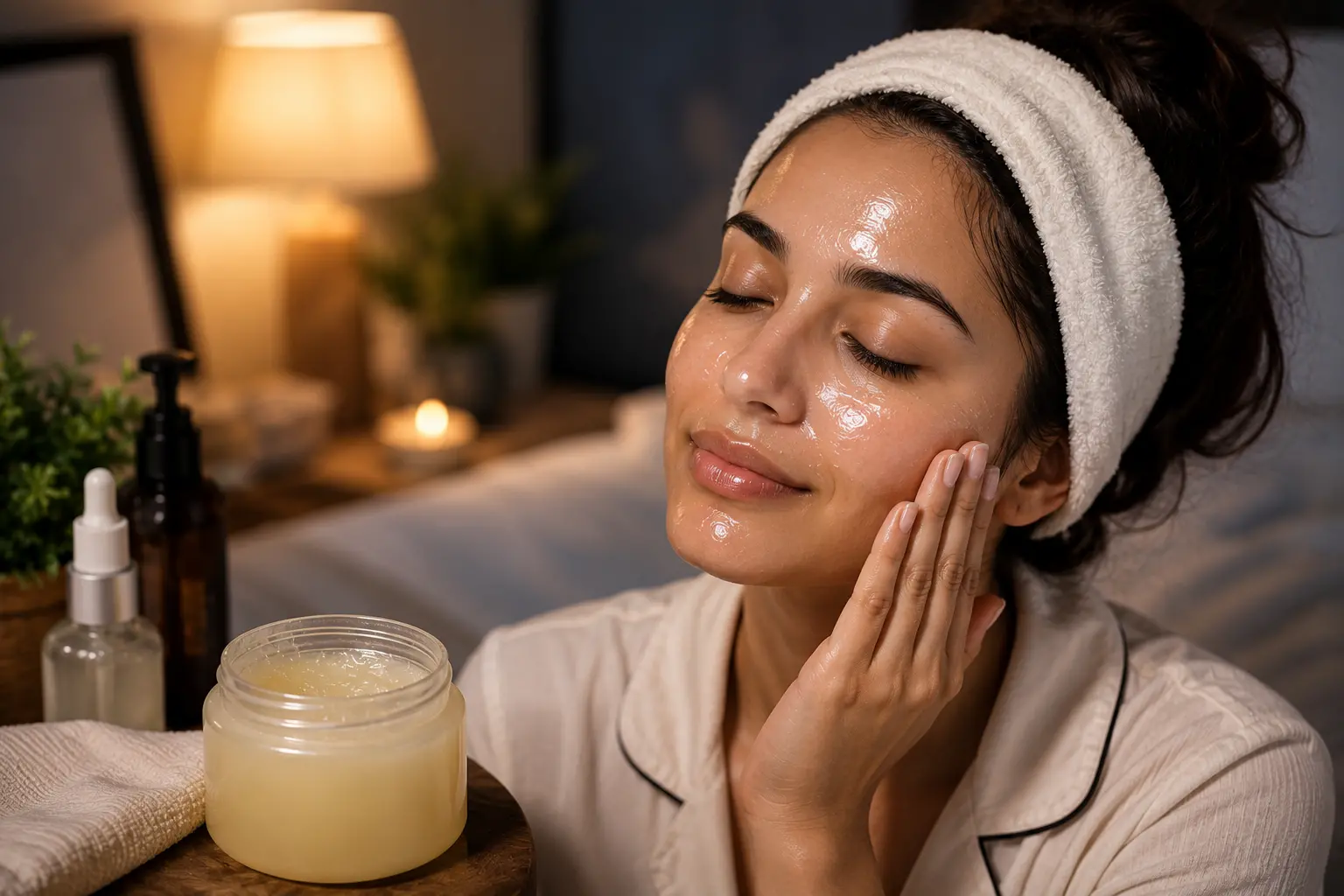
Social media has become a major driver of skincare trends, with routines such as skin flooding, glass skin and other K-beauty-inspired practices regularly going viral. The latest technique attracting attention is overnight slugging, a simple nighttime skincare method that promises to boost hydration and strengthen the skin barrier.
Although many skincare enthusiasts swear by the trend for tackling dryness, dermatology experts say slugging is not a one-size-fits-all solution. While it may help some people wake up with softer, more hydrated skin, those with oily or acne-prone skin should approach the trend with caution.
Here's what overnight slugging involves, its potential benefits and who should think twice before trying it.
What is overnight slugging?
Overnight slugging is a skincare technique in which a thick occlusive product is applied as the final step of an evening skincare routine. Occlusives create a protective layer over the skin that helps minimise moisture loss while you sleep.
Petroleum jelly is the product most commonly associated with slugging because it seals in hydration rather than allowing water to evaporate from the skin overnight. The trend gets its unusual name from the glossy finish left on the face after application.
How does slugging work?
The aim of slugging is not to add moisture directly to the skin but to lock in the hydration already provided by moisturisers, serums or other skincare products applied beforehand.
By forming a barrier on the skin's surface, petroleum jelly helps reduce transepidermal water loss, allowing the skin to retain moisture for longer. This can be especially helpful during colder months, when dry weather often leaves the skin feeling tight, flaky and dehydrated.
Some people also apply petroleum jelly only to particularly dry areas, such as around the eyes or on rough patches, rather than covering the entire face.
What are the benefits of overnight slugging?
- Helps prevent moisture loss: One of the biggest advantages of slugging is its ability to reduce overnight water loss from the skin. Applying an occlusive layer after moisturiser helps seal in hydration, which may leave the skin feeling replenished by morning.
- Supports the skin barrier: A healthy skin barrier plays an important role in protecting against irritation and preventing excessive moisture loss. By keeping the skin hydrated, slugging may help support the barrier's natural repair process, particularly in people with dry or compromised skin.
- Leaves skin feeling softer: People with dry or flaky skin often report smoother, softer skin after slugging. Retaining moisture overnight may improve skin texture and reduce rough, dehydrated patches.
Who may benefit the most?
Experts generally consider slugging to be more suitable for people with dry, dehydrated or flaky skin. Those whose skin barrier has been weakened by cold weather or excessive dryness may also find the technique beneficial.
According to the Cleveland Clinic, petroleum jelly helps protect the skin barrier and reduce moisture loss, allowing the skin to retain hydration more effectively.
How to try overnight slugging
If you want to experiment with the trend, experts recommend keeping the routine simple and avoiding excessive products.
A basic slugging routine includes:
- Wash your face with a gentle cleanser
- Apply your usual lightweight moisturiser or hydrating serum
- Finish with a thin layer of petroleum jelly or another occlusive ointment
- Leave it on overnight before cleansing your face the following morning
Because petroleum jelly can transfer onto bedding, using an older pillowcase may help protect fabrics.
Is slugging suitable for everyone?
Despite its popularity, slugging is not recommended for every skin type.
People with oily or acne-prone skin may be more likely to experience clogged pores or breakouts if heavy occlusive products trap oil, sweat or comedogenic skincare ingredients underneath.
Experts point out that petroleum jelly itself is not usually the main cause of blocked pores. Instead, problems are more likely to occur if pore-clogging products are applied before the occlusive layer, making the overall skincare routine an important consideration.
Dermatologists also advise patch-testing new skincare methods before incorporating them into a regular routine.
Common mistakes to avoid
To reduce the risk of irritation or breakouts, experts recommend avoiding a few common errors:
- Applying slugging products on skin that has not been properly cleansed
- Using an excessively thick layer of petroleum jelly
- Layering slugging over products that may clog pores
- Combining slugging with strong active ingredients if the skin is already irritated or sensitive
- Using the technique too frequently without considering your skin's individual needs
Is overnight slugging worth trying?
For people struggling with dryness, overnight slugging may offer a simple and affordable way to improve hydration and support the skin barrier. Petroleum jelly is inexpensive, widely available and already found in many households.
However, experts stress that slugging is designed to lock in existing moisture rather than hydrate the skin on its own. If dryness persists despite regular moisturising, it is advisable to seek guidance from a dermatologist, who may recommend products containing humectants such as glycerine or suggest a skincare routine tailored to your skin type.
Ultimately, while overnight slugging has become one of the internet's most talked-about skincare trends, its effectiveness depends on individual skin needs rather than social media hype.