Vat Savitri Vrat 2026: Don’t have a banyan tree nearby? Try these simple puja alternatives
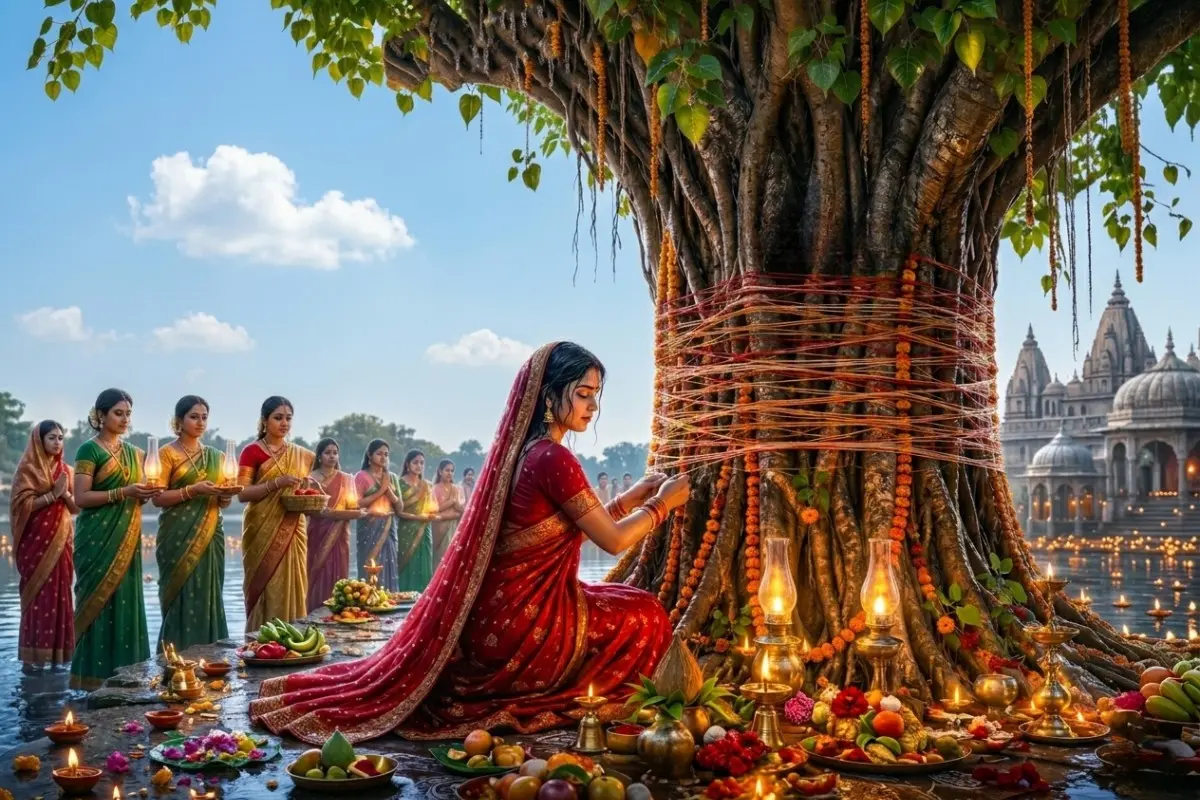
Every year, married Hindu women across India observe Vat Savitri Vrat with prayers for the long and healthy lives of their husbands. The sacred banyan tree holds a central place in Vat Savitri Vrat celebrations, but what happens when there is no tree nearby? Changing lifestyles and limited access to open spaces mean many devotees are now looking for practical alternatives. The good news is that the puja can still be performed with complete faith, even without a real banyan tree.
When is Vat Savitri Vrat 2026?
According to the Hindu calendar, Vat Savitri Vrat in North India will be observed on Saturday, May 16, 2026, on the Amavasya tithi of the Jyeshtha month. Women usually complete the vrat after bathing, offering prayers and eating sattvic food or fruits.
Vat Savitri Vrat 2026 timings
| Occasion | Date and Time |
| Vat Savitri Amavasya | Saturday, May 16, 2026 |
| Amavasya begins | 5:11 am on May 16 |
| Amavasya ends | 1:30 am on May 17 |
| Shubh Muhurat for puja | 11:50 am to 12:44 pm |
| Vat Savitri Purnima fast | Monday, June 29, 2026 |
The story behind Vat Savitri Vrat
The festival is closely linked to the legendary story of Goddess Savitri and her husband Satyavan from Hindu scriptures. According to mythology, Savitri was deeply devoted to Satyavan and was aware that he was destined to die within a year of their marriage. On the predicted day, Satyavan collapsed while cutting wood in a forest, and Yama, the god of death, arrived to take his soul away.
However, Savitri followed Yama and refused to give up on her husband. Impressed by her intelligence, determination and unwavering devotion, Yama granted her several wishes. Savitri cleverly used the opportunity to ask for the restoration of her husband’s life. Pleased with her dedication and wisdom, Yama finally returned Satyavan to life.
The story is remembered during Vat Savitri Vrat as a symbol of love, loyalty and strength. Many women read or listen to the Vat Savitri Vrat katha during the puja as part of the rituals.
Why the banyan tree is worshipped during Vat Savitri
The banyan tree, known as ‘Vat’ in Hindi, is considered highly sacred in Hindu traditions. It symbolises strength, stability and longevity. Many devotees also believe that Lord Brahma, Lord Vishnu and Lord Shiva reside within the tree.
This is why women traditionally offer water, flowers and sacred threads to the banyan tree during the festival.
Here are some simple and practical ways women can perform Vat Savitri Puja at home without a banyan tree.
Worship a small banyan plant at home
A small banyan sapling or bonsai-style banyan plant can also be used for the puja. These plants are now easily available through local nurseries and online gardening stores.
Devotees can perform parikrama around the plant, tie sacred threads and offer water just as they would around a full-grown tree.
Several women living in flats and urban areas have started adopting this eco-friendly option in recent years.
Visit a nearby temple
Even if there is no banyan tree in your locality, nearby temples may organise special Vat Savitri arrangements during the festival.
Many temples keep symbolic banyan branches or create designated spaces for devotees to offer prayers. Women can also ask temple priests for guidance on performing the rituals properly.
In several cities, temples become gathering points for devotees observing the fast together.
Use a picture of a banyan tree
One of the easiest ways to perform the puja at home is by placing a framed photo or printed image of a banyan tree in your prayer area.
Decorate the picture with flowers, kumkum and rice before beginning the rituals. Women can then light a diya, offer prayers and recite the Vat Savitri Vrat katha in front of the image.
Create a symbolic banyan tree for the ritual
Another traditional alternative is to make a symbolic banyan tree using clay, soil, paper or even rangoli designs.
Once the symbolic tree is prepared, the puja can be performed in the same way as the actual ritual. Priests often say that intention and devotion hold greater importance than elaborate arrangements.
This option is especially helpful for families performing the vrat indoors.
Faith matters more than perfection
Religious experts often say that Hindu rituals are ultimately centred on bhakti, or devotion. Even if a woman cannot find a banyan tree, she can still observe the vrat sincerely at home.
Lighting a diya, reading the story of Goddess Savitri, chanting prayers and observing the fast with faith are considered equally meaningful.