What will be the toll cost on Ganga Expressway between Meerut and Prayagraj?
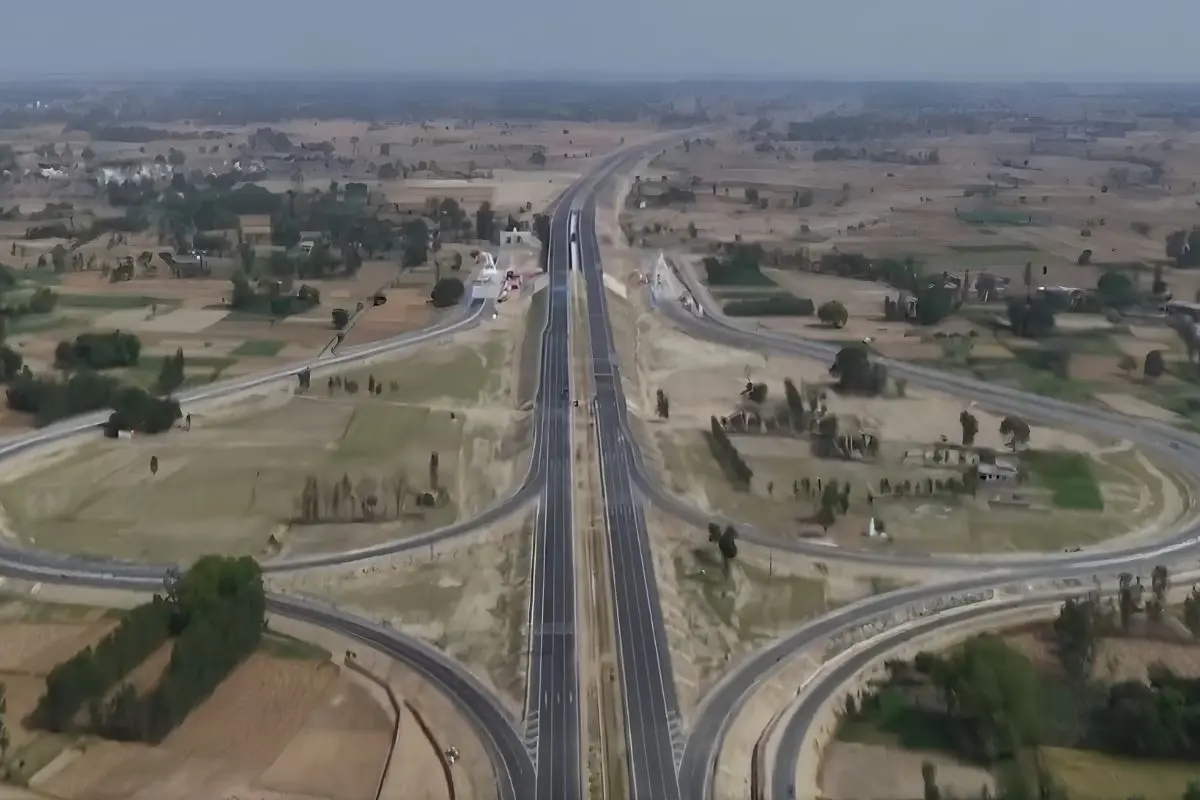
The newly inaugurated Ganga Expressway in Uttar Pradesh is already drawing attention for significantly reducing travel time between the western and eastern parts of the state. While the 594-km corridor promises faster connectivity between Meerut and Prayagraj, commuters are now keenly waiting to understand the likely toll burden for using the high-speed route.
Prime Minister Narendra Modi inaugurated the expressway on 29 April 2026, opening a major infrastructure link that connects Bijauli village in Meerut to Judapur Dandu in Prayagraj. The six-lane, access-controlled highway, expandable to eight lanes, is designed to ease congestion on older highways and position Uttar Pradesh as a major logistics hub.
Expected toll charges for commuters
Although official toll rates are yet to be notified, estimates based on prevailing expressway pricing suggest charges of around ₹2.55 per kilometre for private cars.
Given the full stretch of 594 km, a single journey from Meerut to Prayagraj is likely to cost:
- Cars and jeeps: ₹1,500 – ₹1,550 per trip
- Light commercial vehicles: ₹2,300 – ₹2,500
- Buses and heavy trucks: ₹4,800 – ₹5,000
These figures remain indicative and may be revised once the state government finalises the toll structure.
15-day toll-free travel period
In a relief to early users, the Uttar Pradesh government has announced a 15-day toll-free window following the inauguration. This allows commuters to travel the entire corridor without any charges for a limited period, offering substantial savings for both private and commercial users.
The toll-free phase is expected to continue until around 13 May 2026.
When toll collection will begin
Toll operations are likely to commence immediately after the free-use period ends. Authorities are expected to finalise the rates in an upcoming cabinet meeting before implementation.
Once active, the expressway will operate on a FASTag-enabled, cashless system under a closed tolling model, where charges will be calculated based on entry and exit points rather than fixed toll plazas.
Route spanning 12 districts
The expressway runs through 12 districts, forming a major east-west corridor across Uttar Pradesh. Starting from Meerut, it passes through Hapur, Bulandshahr, Amroha, Sambhal, Budaun, Shahjahanpur, Hardoi, Unnao, Raebareli, Pratapgarh, and finally reaches Prayagraj.
The alignment is expected to improve access to markets for hundreds of villages and strengthen both industrial and agricultural supply chains across the region.
Key engineering and infrastructure features
The corridor includes several large-scale engineering structures designed for durability and strategic use. Notable features include:
- A 960-metre bridge over the Ganga
- A 720-metre bridge over the Ramganga
- 18 flyovers and 7 railway overbridges
- 28 major interchanges for improved connectivity
- Nine public utility complexes with fuel stations and emergency services
A 3.5-km emergency airstrip in Shahjahanpur has also been developed along the route and tested for defence use by the Indian Air Force.
Strategic connectivity and future expansion
According to the expressway’s route plan, the corridor integrates with major road networks including the Delhi-Meerut Expressway and the Agra-Lucknow Expressway. Linkages are also planned towards the upcoming Noida International Airport via the Jewar region.
Future expansion proposals include extending connectivity towards Haridwar and Ballia, further widening the expressway’s regional impact.