Pay the bill, gentlemen, Why chivalry isn’t a transaction?
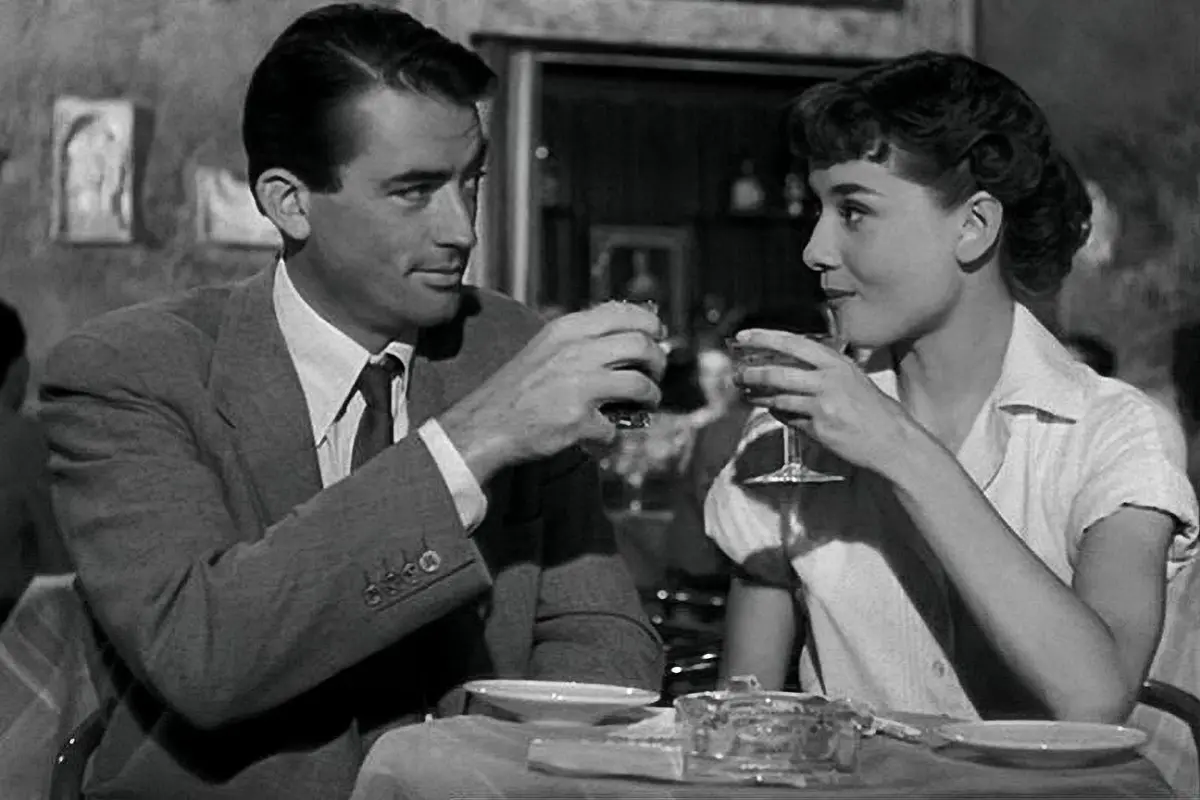
Every time Luke Guillory and his wife finish a meal, the same small ritual plays out. He catches the waiter’s eye, takes the check, and squints at it as though he’s doing complicated maths. She scrolls through her phone. He hands over the card, chats with the server, and passes the receipt across. She, the better mathematician of the two, works out the tip.
Logically, it’s pointless. They’re married, and their money is entirely shared. Yet he considers it non-negotiable, like opening her car door or collecting her from the airport.
These are the small, unnecessary gestures that, in his words, add up to being a man, and the ones a partner might eventually find someone else to provide if they vanished.
Also Read: Virgin who Goons, chronic online life of a 36-year-old who doesn’t want a partner
The topic has exploded online. His own newsroom recently argued it out after a piece on men ordering Ubers for dates: tradwife nostalgia, feminism going backwards, and whether a man should pay only if the woman makes a show of reaching for her purse. Meanwhile, think pieces and TikToks multiply, and influencers like Andrew Tate frame paying as the price men owe ‘high-value women.’ Guillory calls that view heinous, then points out that some glossy magazine coverage, from ‘good man shortage’ stories to matchmakers who talk about ‘recruitment,’ isn’t that far from it in tone.
His diagnosis, the conversation has become entirely about money. Once a dinner-party question about when to start splitting, it’s now a debate over whether women should feel grateful or men should feel entitled.
His counterargument is that love can’t be bought. He cites two of the world’s richest women, Melinda French Gates and MacKenzie Scott, who walked away from wealthy marriages. He cites Citizen Kane, where a wife leaves a millionaire because he never gave her anything that truly belonged to him. And he leans on French philosopher Alain Badiou, whose “Scene of Two” treats love as a shared project of seeing the world through another person’s eyes. His thesis fits in one line,
To give is not to purchase for
Also Read: Fake it till you make it, why the dupe is Gen Z’s badge of honor?
His own proof comes from college. He drove deliveries, and she waited tables and usually had more cash. They traded rounds on ordinary days, but on date nights she wasn’t allowed to pay. So he would slip into a supermarket near closing, grab cheap wine, and pocket cheese. They’d sit on her back stairs under the stars, a ten-dollar date. She later told him it was the most romantic thing he did. She still married him.
His advice is blunt. Pay for dates, friends and family and a little recklessly. Take what you’d normally spend and add half again: add the car home, or order the ten-year-old bottle instead of the five-year-old. Don’t make a fuss.
Here’s the part that will start arguments. If paying is truly a gift, why does it so often arrive with a ledger? Perhaps the most radical idea in the whole essay isn’t that men should pay. It’s that a man who keeps score has already lost, and that the women who tire of being ‘provided for’ may simply be tired of being invoiced.
So the real question is, whether you would still pick up the check if you knew you’d never get anything back.