Why was Punch abandoned? The survival instincts that drive some animal mothers to walk away
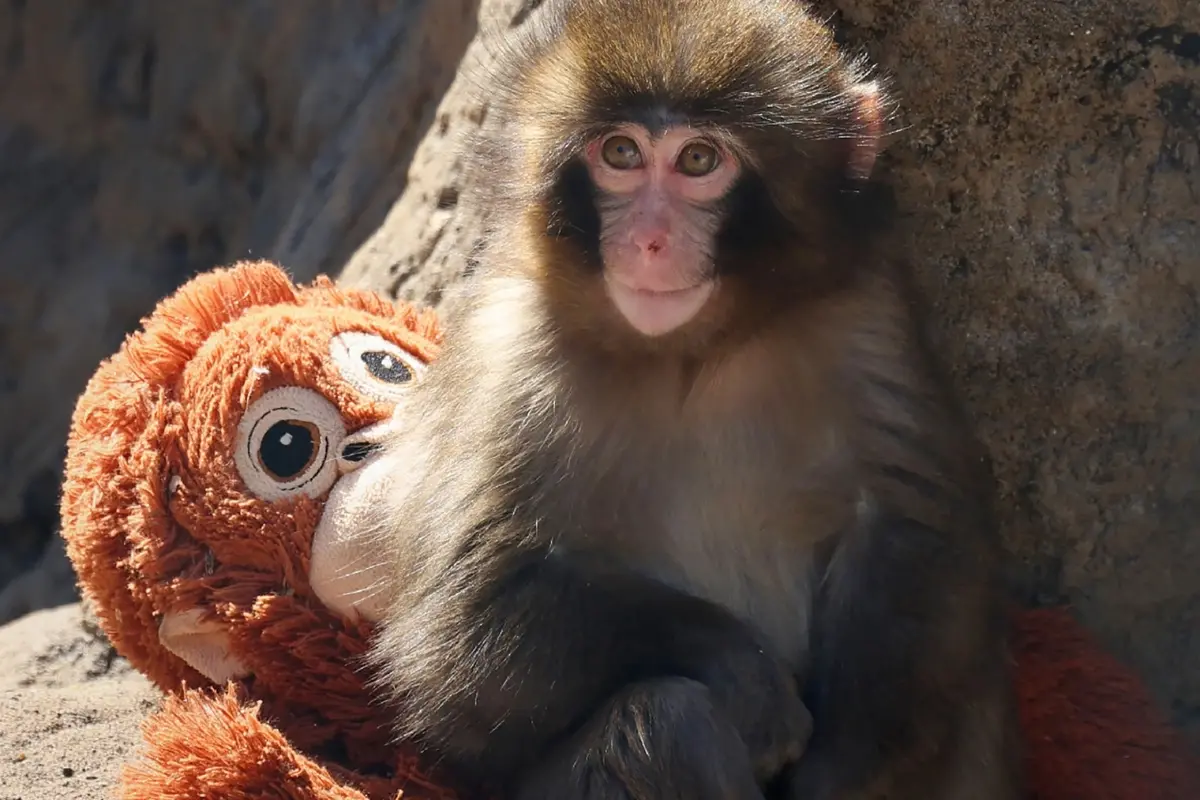
A seven-month-old Japanese macaque named Punch has drawn global attention after videos showed him being rejected by his mother and seeking comfort from a stuffed orangutan toy at Ichikawa City Zoo and Botanical Gardens.
Born last July, Punch was reportedly abandoned shortly after birth. Without maternal support, he has struggled to integrate into the troop. Viral footage shows him being chased and dragged by older macaques, clinging tightly to his toy for security. In some clips, another monkey briefly grooms and comforts him, but later videos again show him isolated and targeted by dominant group members.
Why would a mother abandon her baby?
While distressing to watch, experts say maternal abandonment in primates—though uncommon—can occur under certain conditions.
Primatologists point to several possible factors:
- Inexperience: First-time mothers may lack the skills needed to care for an infant properly. Punch’s mother was reportedly a first-time parent.
- Environmental stress: Punch was born during a heatwave. Extreme environmental conditions can increase physiological stress, affecting maternal behaviour.
- Infant health concerns: In harsh or high-risk conditions, mothers may prioritise their own survival and future reproductive opportunities if an infant appears weak or compromised.
- Social hierarchy pressures: Japanese macaques live in strict matrilineal hierarchies. Lower-ranking mothers and their infants may face higher levels of social stress and aggression.
In primate societies, maternal presence is critical not only for feeding but also for teaching social cues—especially how to display submission within dominance structures. Without this guidance, a young macaque may struggle to navigate group dynamics later in life.
Why the stuffed toy?
Newborn macaques instinctively cling to their mothers to build muscle strength and gain security. After trying alternatives such as rolled towels, zookeepers introduced a stuffed orangutan toy to provide Punch with something to grasp.
Attachment objects can function as transitional comfort figures, particularly for young primates still at nursing age. In Punch’s case, the toy may be serving as a substitute attachment figure, helping him regulate stress in the absence of maternal contact.
Is this “bullying”?
What appears as bullying in viral clips may actually reflect normal macaque social behaviour. Japanese macaques establish dominance through physical interactions. Even if his mother had remained present, Punch would likely still encounter aggression as part of the troop’s hierarchy. However, without maternal backing, he may be more vulnerable.
The bigger picture
The story has sparked widespread emotional reactions online and driven a surge in zoo visitors. Experts caution, however, that viral fascination with baby monkeys can have unintended consequences. Increased demand for “cute” infant primates has historically fuelled illegal wildlife trade and exotic pet markets.
Primates are highly intelligent and deeply social animals. They mature quickly—Punch will reach adulthood within a few years—and require complex social structures to thrive.
Punch’s story highlights not only the realities of animal social systems but also broader issues including zoo welfare, environmental stress, habitat loss and the powerful role of social media in shaping human responses to wildlife.
His small stuffed companion may offer comfort for now—but his long-term integration into macaque society will depend on whether he can successfully navigate the troop’s strict social world.