Dear Postpartum body, thank you for everything you did
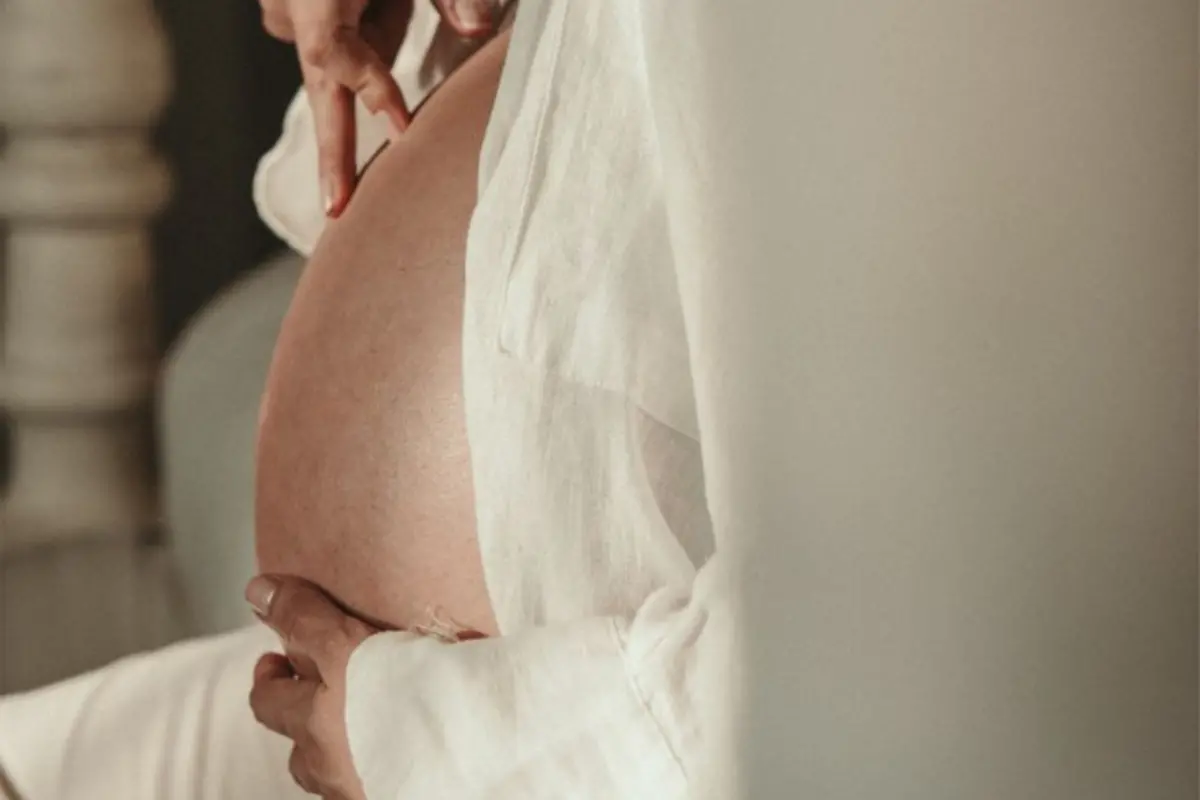
Dear body,
For a long time, the world has asked you to hurry.
Hurry up and shrink. Hurry up and fit the old jeans. Hurry up and look like nothing happened. The phrase is everywhere, ‘bouncing back’, and it sounds harmless, almost cheerful.
But psychologist Jana Rundle, who works with new mothers, finds it painful for a reason. It says that who you are today is a mistake to be corrected, and that the real you is the one who existed before the baby.
You are not a mistake or a draft. You are the proof of something enormous.
So this letter is not about getting you back. It is about meeting you where you are.
First, let me say it’s okay if this doesn’t feel like love yet.
Some days you may look in the mirror and feel unease, or grief for the body you knew. That’s allowed. Therapist Margaret Gaddis says that making room to mourn the old version of yourself, and the “bounce back” you were promised, can be surprisingly freeing. Grief isn’t the opposite of acceptance. It is often the doorway to it.
And you never have to adore every stretch mark or soft curve. Midwife Brandi Fields puts it gently.
You don’t have to love your postpartum body, only give yourself patience and grace while you learn who you are now.
Also Read: 10 things you probably didn’t know about breasts and breastfeeding
Here are seven small ways to begin.
1. Let someone photograph you, really photograph you
Fields did this after each of her babies. Her photographer, also a mother, caught candid moments, an older sibling helping with a diaper. What stayed with her was that the photos showed what her body was still doing, which was caring for her children. She treasures them even though she wasn’t fully at ease in her body then. Sometimes we need a witness to see what we can’t.
Also Read: Is your child a velcro kid?
2. Write a letter from your body, not to it
Therapist Olivia Bergeron offers a lovely twist. Instead of addressing your body, let it speak. What does it want you to know? What does it need right now? What has it been through that no one asked about? The exercise turns your attention away from how you look and toward what you’ve lived through.
3. Move because it feels good
Bergeron suggests movement that has nothing to do with skinny jeans. Pregnancy and early parenthood can make your body feel like it belongs to everyone but you. Walks outside, stretching and massage are ways of coming back home to it.
4. Wear what fits you today
You may be waiting for a day when the old clothes work again. Rundle’s advice is, buy something that fits now, if you need to.
Comfort matters more than we admit, and it shapes how we feel inside our own skin.
Also Read: Expecting twins? Here are 9 types you should know about
5. Dance
In the living room, in the kitchen, with the baby on your chest, or pushing the stroller down the street. Holistic therapist Blanka Molnar calls it one of her favorite ways to honor the postpartum body, because it belongs to everyone. Fast or slow, graceful or silly, there are no rules.
6. Honor what your body does
It fed, carried, rocked and held. Once you separate function from appearance, something changes. You may not love every change, but you can marvel at how much your body makes possible.
7. Thank it out loud
Gaddis, who has done this herself, recommends standing at the mirror, with or without your baby, and speaking gratitude directly to your body. Thank your arms for holding this child, and your middle for stretching to make room for a small human. Thank your body for carrying you through the hard, surprising moments of pregnancy, and for showing up for both of you. It may feel awkward at first. Say it anyway.
Also Read: Books to guide the conversation about consent, boundaries, and body safety with kids
Dear body,
here is the truth I want you to hold on to.
There may never be a single morning when everything is fixed and peace arrives all at once. Healing here is slow, uneven and different for everyone. It can take many months before you feel at home in yourself again. We are all works in progress, and that’s more than okay.
And if the struggle stays heavy, or you have questions about how you’ve changed since the birth, please reach out to a health care professional. You deserve support, too.
You made a person. You are allowed to take your time.
With all my love,
Me