How ‘mini-me’ dressing became one of parenting's biggest style trends
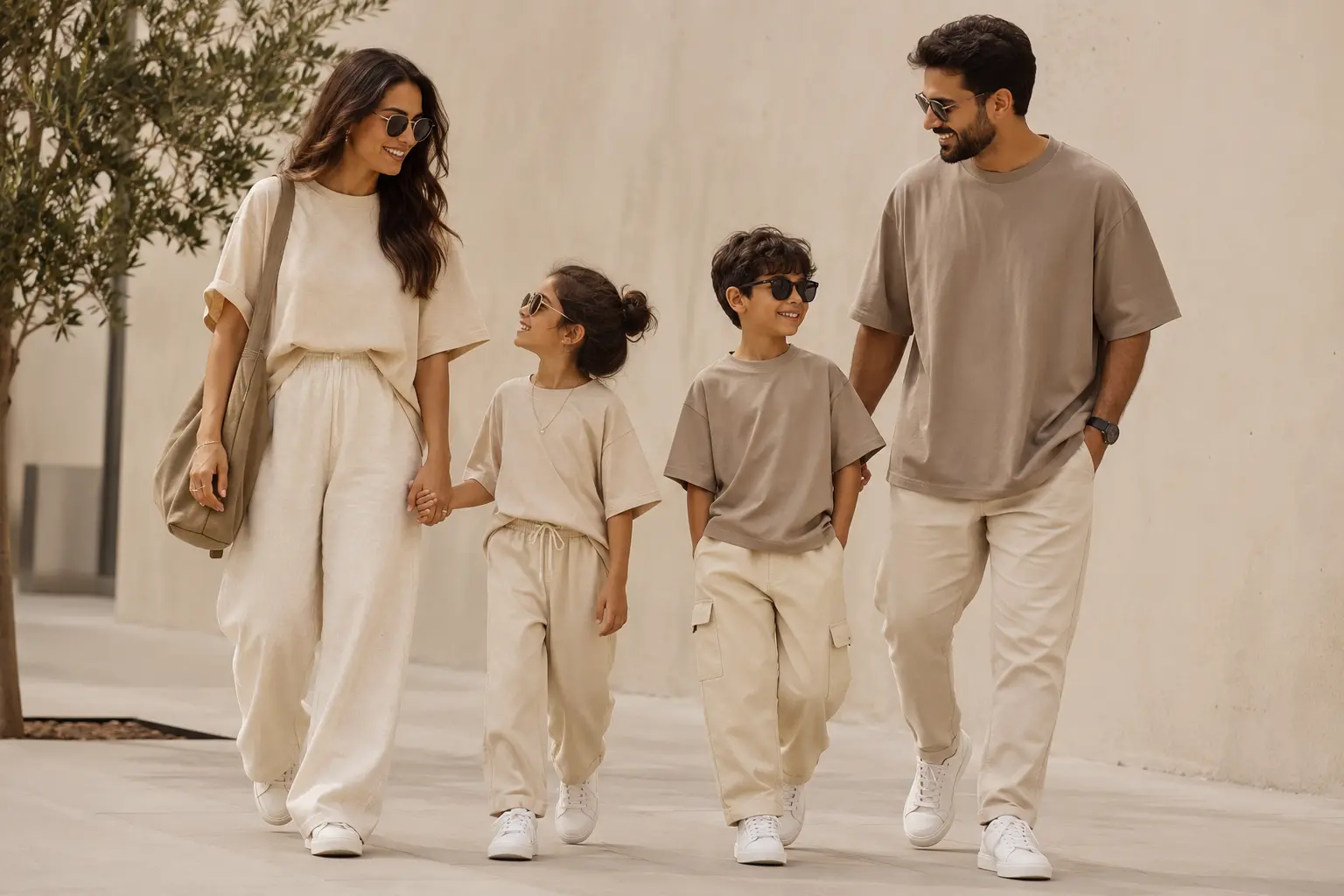
The days when children's wardrobes were dominated by cartoon characters, glittery slogans and brightly coloured novelty outfits are steadily fading. In their place, a more refined approach to dressing children is emerging, one that mirrors the broader shift towards minimalist fashion among adults.
Across cities in India and around the world, parents are increasingly curating their children's wardrobes with the same thoughtfulness they apply to their own. Neutral colour palettes, versatile separates, oversized silhouettes and elevated basics are becoming staples, reflecting a growing preference for style that is practical, timeless and easy to wear.
The trend, often referred to as "mini-me dressing", has evolved far beyond occasional matching outfits. It is now influencing everything from family wardrobes to luxury fashion runways, signalling a wider cultural shift in how parents express identity, family bonds and personal style.
A new generation of fashion-conscious parents
Today's parents have grown up with global fashion influences at their fingertips. Exposure to streetwear from Seoul, Scandinavian minimalism, Japanese design aesthetics and contemporary Western fashion has shaped a generation that values understated style over flashy trends.
As a result, many are moving away from traditional children's clothing filled with animated motifs and seasonal gimmicks. Instead, they are choosing garments that prioritise comfort, quality and versatility.
The modern children's wardrobe increasingly resembles a scaled-down version of an adult capsule collection. Relaxed T-shirts, neutral-toned joggers, loose-fitting co-ords and breathable fabrics are replacing outfits designed primarily around novelty.
For many families, dressing children has become less about creating a "cute" look and more about building a practical wardrobe that integrates seamlessly into everyday life.
Beyond matching: The meaning of ‘mini-me’ style
Despite its name, mini-me dressing is not necessarily about turning children into replicas of their parents.
Fashion observers say the trend is rooted more in shared design sensibilities than identical outfits. Parents are selecting pieces that reflect similar aesthetics, colour stories and silhouettes while remaining appropriate for a child's age and lifestyle.
The approach has gained visibility through high-profile families. Public appearances by Britain's Princess of Wales and Princess Charlotte have frequently featured subtle colour coordination and complementary styling. Celebrities including Kim Kardashian and Beyoncé have also embraced coordinated family dressing, bringing the trend into mainstream fashion conversations.
What distinguishes modern mini-me style from earlier forms of matching outfits is its restraint. Rather than identical ensembles, parents often opt for visual harmony through shared fabrics, cuts or styling details.
The runway's growing fascination with family dressing
Fashion designers have increasingly incorporated children into runway presentations, using coordinated looks to explore themes of heritage, continuity and family connection.
At international fashion weeks, children are no longer appearing solely as novelty additions. Instead, they are often integrated into collections as part of broader storytelling.
Designers frequently reinterpret adult garments for younger wearers, adapting tailoring, knitwear, denim and outerwear to suit children's needs without losing the essence of the original design.
Industry analysts say these presentations resonate with modern audiences who increasingly seek emotional narratives alongside craftsmanship. Parent-child styling offers fashion houses a relatable and human dimension, helping bridge the gap between luxury design and everyday family life.
A trend rooted in history
While mini-me dressing may feel contemporary, the idea of expressing family values through children's clothing has deep historical roots.
For centuries, children were often dressed as miniature adults. Distinct children's fashion only began to emerge in Europe during the late 18th century, influenced by changing attitudes towards childhood and education.
Ideas promoted by philosopher Jean-Jacques Rousseau encouraged greater freedom of movement for children, contributing to the popularity of more practical garments such as trousers and simplified playwear.
Fashion historians note that children's clothing has long reflected broader cultural ideals. What changes from one era to another is not the impulse itself, but the values parents wish to communicate through dress.
Nostalgia and identity in children's fashion
Experts suggest that nostalgia also plays a significant role in the popularity of mini-me dressing.
Many parents are revisiting styles associated with their own childhoods, from vintage dungarees and relaxed workwear-inspired pieces to classic sportswear silhouettes. The growing second-hand market for children's fashion reflects this desire to reconnect with familiar aesthetics.
Some see these choices as an attempt to recreate positive childhood memories. Others view them as a way for parents to project aspirations and personal tastes through their children.
Yet the relationship increasingly works both ways. As children's fashion becomes more sophisticated, adult clothing has also absorbed elements traditionally associated with youth, including playful proportions, relaxed styling and casual comfort.
Why the trend continues to grow
Several factors have contributed to the staying power of mini-me dressing.
Social media has amplified coordinated family fashion, making shared styling moments highly visible and easily accessible. At the same time, luxury and premium brands have expanded their children's collections, creating more opportunities for families to embrace matching aesthetics.
Changing attitudes towards gender-neutral dressing have also played a role. Contemporary children's fashion increasingly prioritises versatile colours, unisex designs and adaptable pieces, making coordinated styling easier across generations.
Industry observers believe the trend's longevity stems from its emotional appeal. While fashion trends often come and go, the desire to express family connection remains constant.
At its core, mini-me dressing reflects a broader shift in parenting culture. Clothing is becoming another way for families to communicate shared values, personal identity and a sense of belonging.
For children, coordinated dressing can offer a sense of inclusion and participation. For parents, it provides an opportunity to celebrate family bonds while expressing their own aesthetic preferences.