Papamochani Ekadashi 2026: March 14 or 15? know the correct vrat date and puja timings
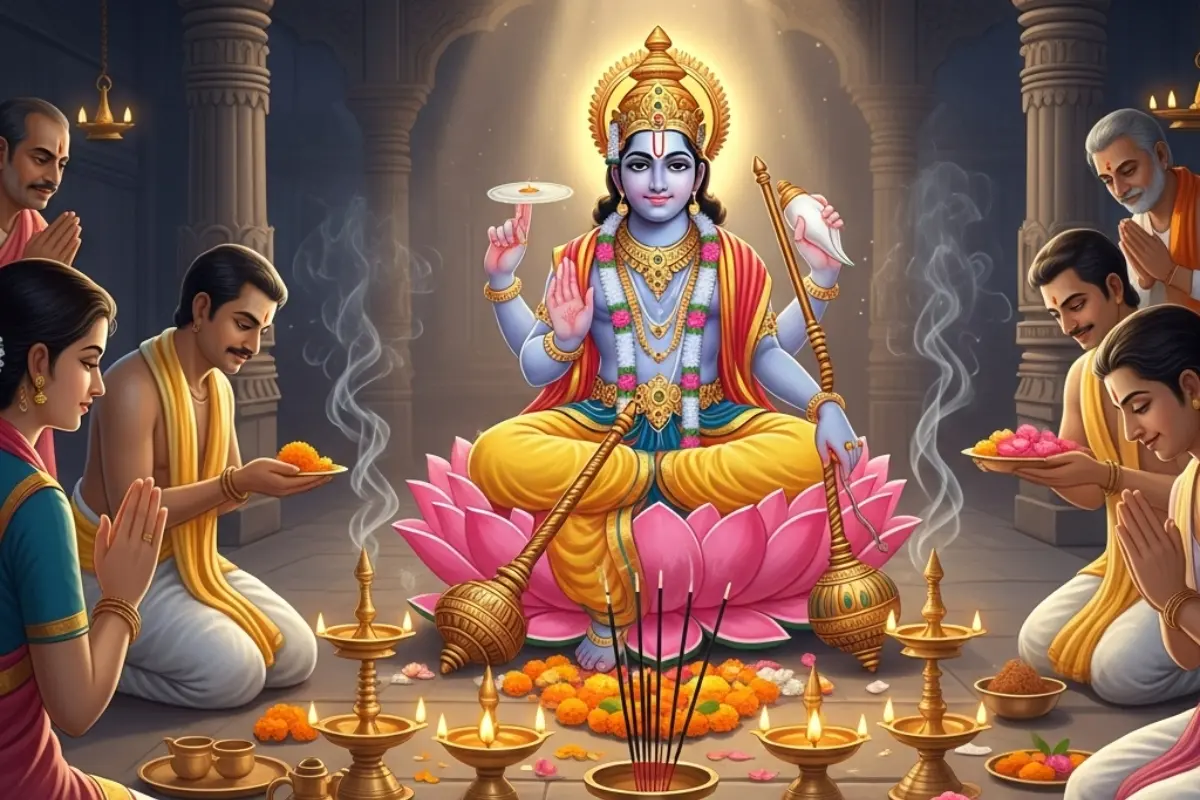
Papamochani Ekadashi, one of the important Ekadashi observances dedicated to Lord Vishnu, will be observed in March 2026. Many devotees are confused about whether the vrat falls on March 14 or March 15 due to the timing of the Ekadashi tithi.
According to the Hindu Panchang, Papamochani Ekadashi will be observed on March 15, 2026, as the Ekadashi tithi prevails at sunrise on that day. Devotees across India observe fasting, prayers and Vishnu worship on this day to seek spiritual purification and forgiveness for past sins.
Papamochani Ekadashi 2026: correct date and timings
Papamochani Ekadashi will be observed on Sunday, March 15, 2026. The Ekadashi tithi begins on March 14 but the fast is observed on March 15 because the Ekadashi tithi prevails at sunrise, which is the key rule for observing Hindu fasting days.
Papamochani Ekadashi 2026 timings:
- Ekadashi tithi begins: 8:10 AM on March 14, 2026
- Ekadashi tithi ends: 9:16 AM on March 15, 2026
- Parana day (fast breaking): March 16, 2026
- Parana time: 6:30 AM to 8:54 AM
- Dwadashi tithi ends: 9:40 AM
Breaking the fast within the correct Parana period is considered important in Ekadashi observance.
Why Papamochani Ekadashi is spiritually significant
Papamochani Ekadashi is dedicated to Lord Vishnu and is believed to help devotees seek forgiveness for past sins and negative karma. The word “Papamochani” literally means “remover of sins.”
This Ekadashi falls during the Krishna Paksha of the Chaitra month in the North Indian calendar and during the Krishna Paksha of Phalguna in the South Indian calendar.
Despite differences in calendar systems, the observance is usually celebrated on the same date across India.
The day also holds special importance because it comes just before the start of the Hindu New Year festivals such as Yugadi and Chaitra Navratri, making it a spiritually cleansing observance.
Papamochani Ekadashi vrat rituals
Devotees observe the vrat with prayers, fasting and devotional practices dedicated to Lord Vishnu.
Common rituals include:
- Waking up early and taking a sacred bath
- Cleaning the house and temple area
- Placing an idol or image of Lord Vishnu for worship
- Offering flowers, incense, lamps, fruits and Tulsi leaves
- Chanting Vishnu mantras or reciting Vishnu Sahasranama
- Spending the day in prayer, meditation and reading sacred texts
- Devotional songs and bhajans dedicated to Lord Vishnu are also commonly performed.
Ekadashi fasting rules devotees follow
The Ekadashi fast usually begins at sunrise on the Ekadashi day and continues until the Parana on Dwadashi.
Devotees may observe different levels of fasting depending on their ability:
- Nirjala fast: complete fasting without food or water
- Phalahar fast: consuming fruits and milk
- Partial fasting: avoiding grains and certain foods
The fast should ideally be broken during Pratahkal (early morning) on Dwadashi after offering prayers.
Devotees are advised not to break the fast during Hari Vasara, which is the first one-fourth of the Dwadashi tithi.
Why some devotees observe Ekadashi on two days
In certain years, Ekadashi fasting may appear to fall on two consecutive days due to lunar timing differences.
Traditionally:
- Smarthas (householders) observe Ekadashi on the first day
- Sanyasis, widows and moksha seekers may observe it on the following day
- Some devotees also fast on both days for greater spiritual merit
These variations allow people to follow Ekadashi according to their spiritual traditions.
Papamochani Ekadashi remains one of the spiritually important Ekadashi observances for devotees of Lord Vishnu. Through fasting, prayer and devotion, followers believe the vrat helps cleanse the soul and bring divine blessings, peace and prosperity.