The sadhya doesn’t taste the same without Amma: Malayalis recall Onam away from Kerala
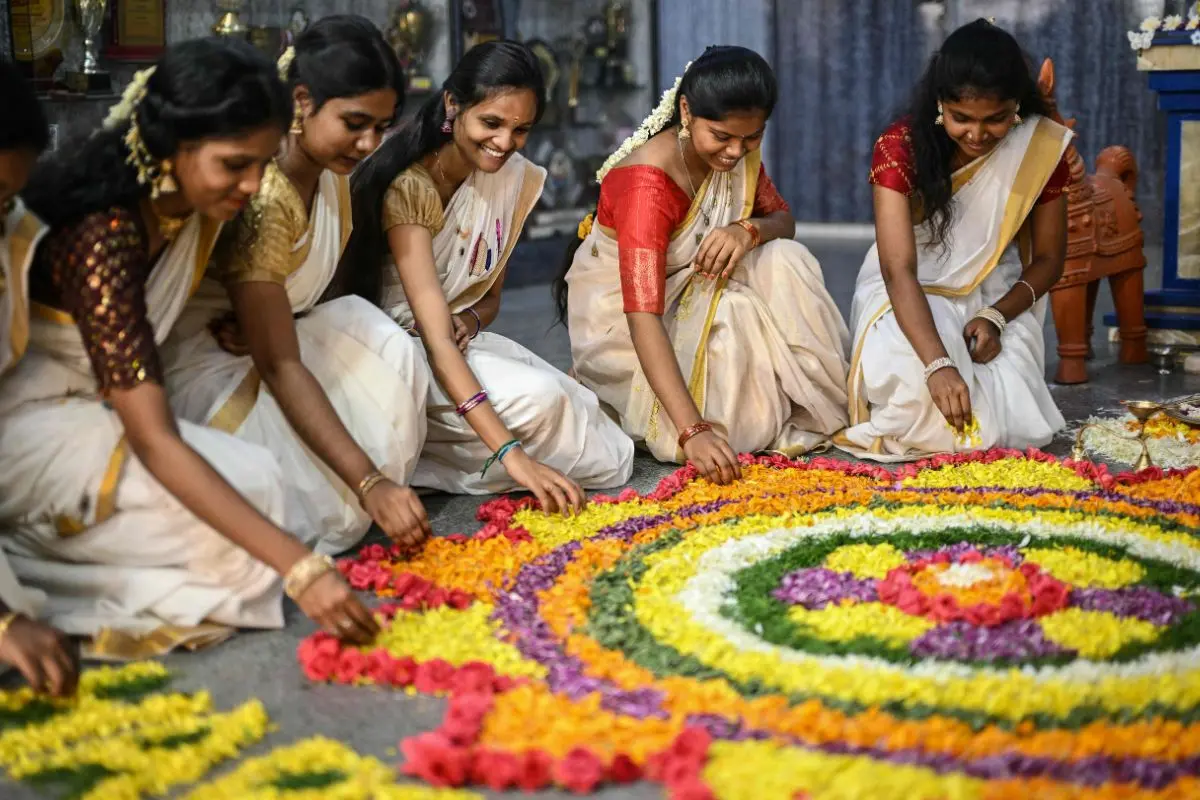
Kozhikode: Onam, Kerala’s grand harvest festival, is a celebration steeped in heritage, togetherness, and nostalgia. From the intricate floral carpets (pookkalam) and the elaborate Onam Sadhya feasts to the vibrant cultural art forms, it embodies the heart and soul of Malayali identity. Yet for lakhs of Malayalis who live outside the state, this season often comes with a bittersweet ache. The warmth of home, the familiar flavors of Amma’s kitchen, and the joy of celebrating with cousins and neighbors remain cherished memories, while the reality is a quieter, recreated version of Onam in unfamiliar cities.
This year, Mathrubhumi spoke to a few Malayalis across India about how they celebrated Onam away from Kerala—and what they missed most about being back home. Their voices echo a shared sentiment: Onam may travel with them, but its soul still resides in Kerala.
“At JUST KERALA, Onam is a family affair” – Merliyn Joseph, 55, Entrepreneur, Mumbai
In Mumbai’s bustling heart, far from Kerala’s backwaters, Malayalis find a slice of home at Just Kerala, the city’s beloved Malayali restaurant. Founded in the mid-80s by Rajan and Thankamma Karavallil, today it is run by their daughters, Sherley Singh and Merliyn Karavallil Joseph. For the Malayali community in Mumbai, this space has become a cultural landmark.
Merliyn explains, “The Onam Sadya is the star here—a spread of 24 dishes, each a memory of Kerala. As banana leaves are laid and families gather, it becomes more than a meal—it’s togetherness itself.” Alongside the feast bloom pookkalams and Kathakali performances, with chenda beats reverberating like a reminder of home.
What makes it special, she says, is not just food or art, but family. “For the Malayalis who come here in joyous throngs, Onam in Mumbai is Kerala itself—warm, vibrant, and timeless.”
“It doesn’t taste the same without Amma” – Nishad Neelambram, 32, Journalist, Mumbai
For journalist Nishad Neelambram, Onam is steeped in childhood memories. “It used to be one of those festivals where the whole family came together under one roof to feast. Parents, cousins, friends—everyone made it special,” he recalls.
Now, living in Mumbai, the celebration feels incomplete. “The festive spirit keeps the Malayali in me going, but sitting down for a pre-ordered Sadhya doesn’t taste the same as when Amma served it with love.”
“Swiggy cannot match Amma’s touch” – Aaniya B, 25, Journalist, Hyderabad
For young professionals like Aaniya, living away from Kerala during Onam is especially tough. “For the past two years, I’ve been in Hyderabad for work, unable to go home. We try to make pookkalams and meet fellow Malayalis, but Sadhya here means ordering from Swiggy or Zomato. No one can cook like Amma.”
She reminisces about her Kozhikode home, where her sister and she dressed in Kerala sarees, danced to Onam songs, played games with cousins, and ended the day with flavorful payasam. “Now, it’s a dream. I hope I get to experience that joy again next Onam.”
“We cooked for 85 people—my most special Onam” – Tess Joseph, 40s, International Casting Director, Mumbai
International casting director Tess Joseph celebrated a unique Onam this year—with a purpose. Normally, she and her friends divide recipes and cook about 10 dishes together. But this year, they turned the celebration into a fundraiser for Mumbai’s Cat Café, which shelters abandoned and disabled cats.
“We planned for 50 people, but ended up cooking 23 dishes and serving 85! We spent 48 hours preparing food, following recipes from my Amma, aunts, and even one shared by my grandmother. My mother in Kolkata guided me over video calls,” Tess recalls proudly. “We served everything on banana leaves, by hand, just like in Kerala. It was the most special Onam of my life.”
“Only a Malayali knows how much it hurts” – Nisha N, 26, Media Professional, Hyderabad
In Hyderabad, Nisha N felt the emptiness of being away from Kerala. “Most Malayalis here took leave and went home. We’re the helpless ones left behind, trying to hold on,” she says.
She and her friends dressed in mundu (dhoti) and Kerala sarees and went out to Malayali restaurants for Sadhya. But it wasn’t the same. “Onam hits different when celebrated with family. Only a Malayali will understand how painful it is to be away for these few days.”
To cut it short, for Malayalis across the world, Onam is more than a festival—it is a longing for home. The pookkalams may be recreated in apartments, and Sadhyas may come from restaurants or delivery apps, but the heart of Onam still beats strongest in Kerala’s homes, where families gather in laughter and love. Until they can return, Malayalis away from home carry that spirit in small ways—through food, friends, and memory—keeping alive the promise that next Onam, they might be home again.